
Denver International Airport
Major international airport serving Denver, Colorado. Opened in 1995, it is the largest U.S. airport by land area and a key airline hub with distinctive architecture and extensive facilities.
The Denver International Airport serves the greater Denver region in Colorado and is one of the United States' principal air transportation centers. Opened in February 1995 as the replacement for Stapleton Airport, the facility occupies the most extensive land area of any U.S. airport and handles a high volume of passenger and cargo traffic. It combines long-range runway capacity with large terminal buildings to serve domestic and international routes.
Image gallery
10 Images
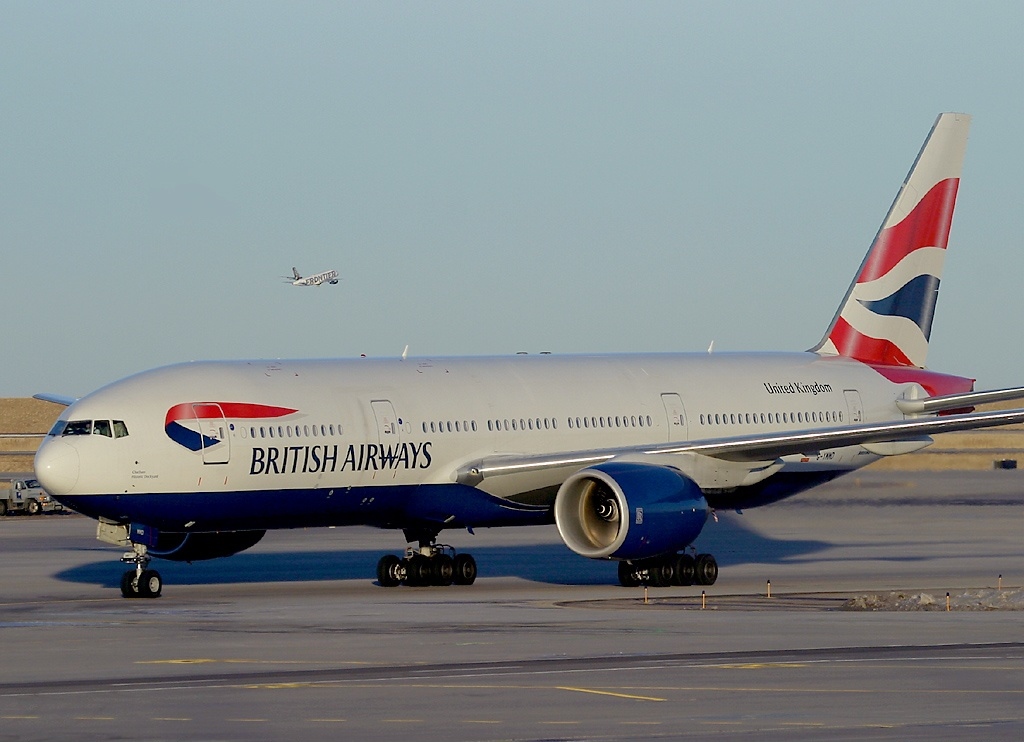


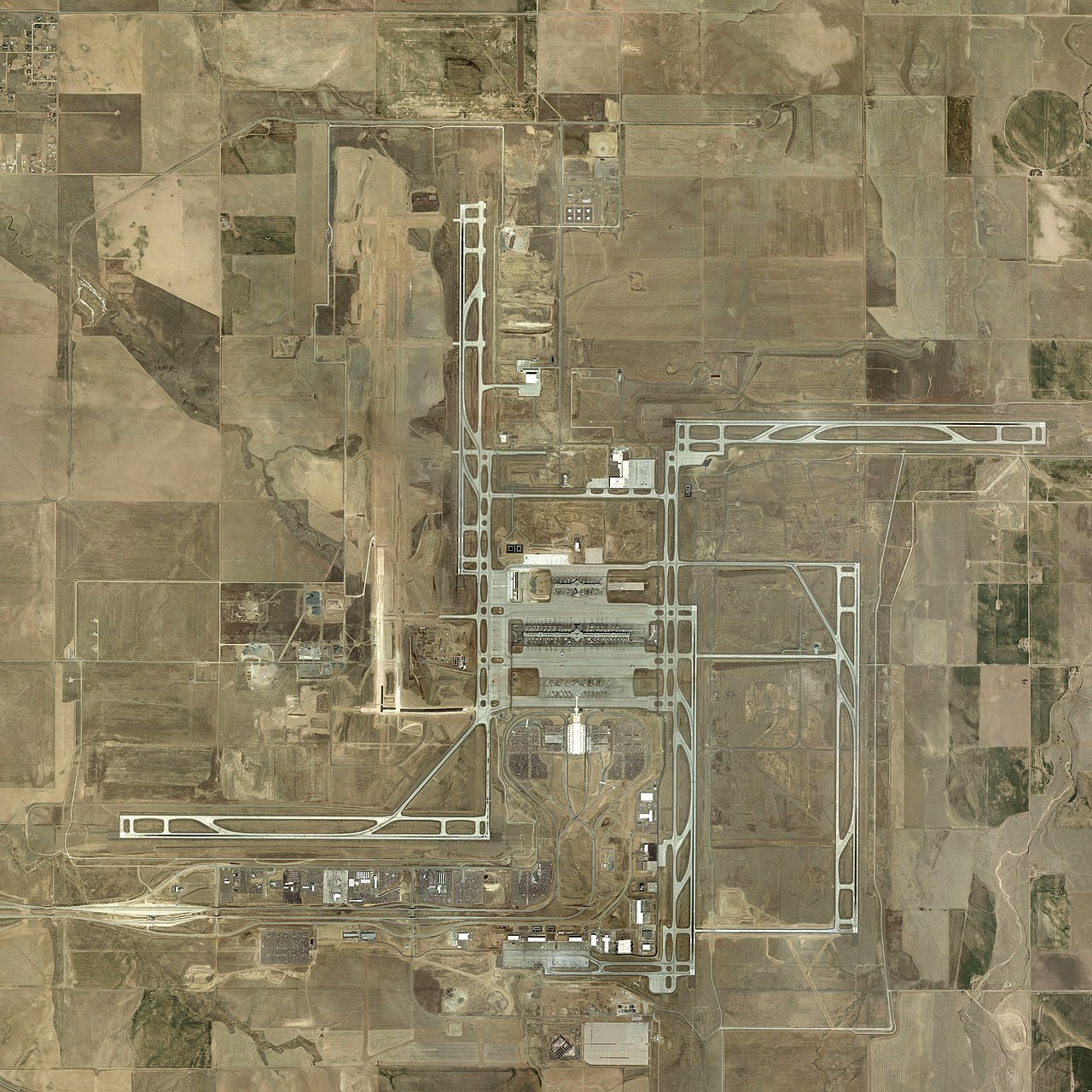

Facilities and layout
Denver International Airport features a central terminal complex with multiple concourses, a distinctive tent-like roof over the main terminal area, and an automated people-mover system linking gates and remote concourses. The terminal complex includes ticketing and arrival halls, baggage claim areas, and a variety of shops and services. The airfield supports multiple runways capable of accommodating large, long-haul aircraft.
History and development
The airport opened in 1995 to replace the city’s older Stapleton facility. Its construction and opening involved extensive planning and substantial public investment; the project drew attention for schedule changes and budget adjustments during construction. Since opening, the airport has grown to meet increasing passenger demand and evolving airline operations.
Operations, airlines and importance
DIA functions as a major hub and connecting point for commercial carriers, including a strong hub operation for United Airlines and significant service by several low-cost and legacy carriers. In the mid-2010s it ranked among the busiest airports worldwide by passenger traffic, reflecting its role in domestic and international travel networks. The airport also handles a significant volume of air cargo.
Notable features and public profile
The airport's peaked fabric roof is intended to evoke the nearby Rocky Mountains and traditional tent forms; its scale and design make DIA visually distinctive. Public art installations, architectural statements, and some high-profile local lore have contributed to widespread public interest. The site is also connected to the Denver region by highway and by rail links, improving access between downtown and the airfield.
- Replacement of Stapleton Airport in 1995 marked a major regional shift in aviation facilities.
- Largest U.S. airport by land area, often noted in comparisons of national airports.
- Major hub operations and a mix of full-service and low-cost carriers support a wide route network.
For more general context about the city, state, and national aviation role, see local resources for Denver, Colorado and aviation statistics in the United States.
Related articles
Author
AlegsaOnline.com Denver International Airport Leandro Alegsa
URL: https://en.alegsaonline.com/art/26659
Sources
- flydenver.com : "Flights, Airlines - Denver International Airport"
- denverpost.com : "Sun Country Airlines to start DIA service to Minneapolis"