
Stargard — town in West Pomeranian Voivodeship, Poland
Stargard is a historic town on the Ina River in northwestern Poland, noted for its medieval brick Gothic architecture, preserved fortifications and its role as the administrative seat of Stargard County.
Stargard is a historic town in northwestern Poland, situated on the Ina River and serving as the administrative center of Stargard County in the West Pomeranian Voivodeship. Historically known by its German name Stargard in Pommern, the town lies within the broader region of Pomerania and is part of modern Poland. Today it functions as a local service and transport hub and has a population on the order of tens of thousands.
Image gallery
10 Images



Origins and historical development
The place-name likely derives from Slavic roots meaning "old town" or "old fort," reflecting its early role as a defended settlement. Over centuries Stargard belonged to regional Pomeranian rulers, later came under German and Prussian administration, and after the upheavals of the 20th century became part of the Polish state. Its history is visible in layers of urban fabric, from medieval street plans to later civic buildings.
Architecture and landmarks
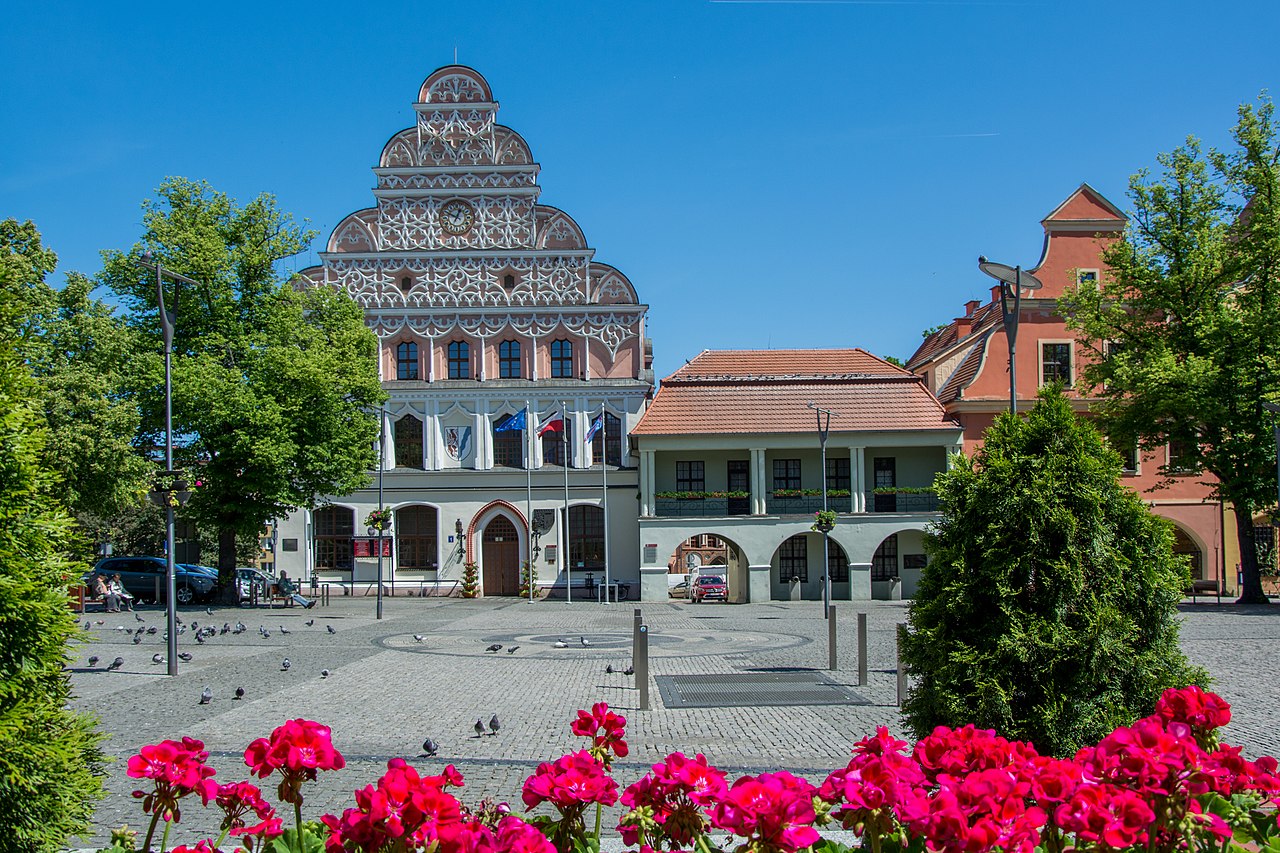
Stargard is particularly noted for well-preserved medieval brick Gothic architecture and surviving fortifications. Visitors can see large Gothic churches and multiple fragments of city walls with defensive towers and gates. Characteristic features include high red-brick façades, vaulted interiors, and richly proportioned towers that mark the medieval skyline.
Economy, transport and culture
The town functions as a regional center for commerce, light industry and services. Rail and road connections link Stargard with the regional capital and other cities, making it an accessible base for commerce and tourism. Cultural life includes municipal museums, local festivals and events that showcase regional crafts and traditions.
Notable facts and context
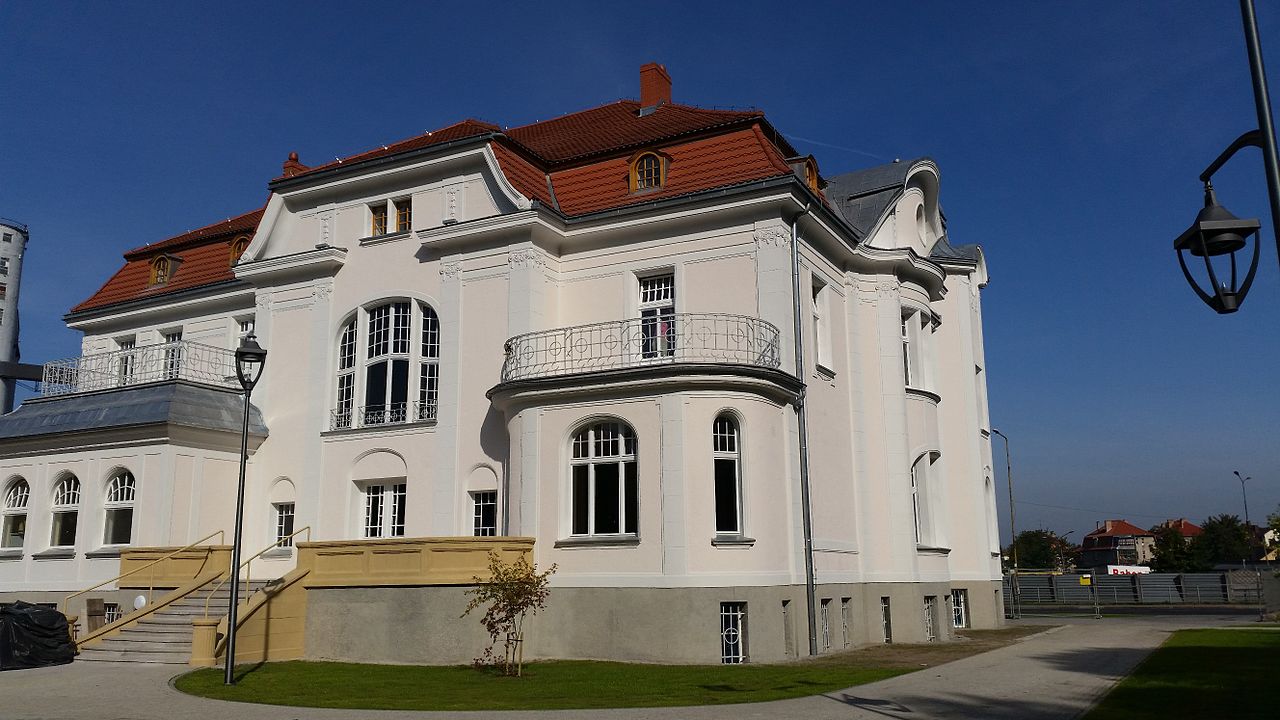
- Stargard's urban fabric preserves elements from medieval to modern times, giving it architectural variety.
- The Ina River has shaped the town's layout and economy through the centuries.
- Its location in Pomerania places it within a contested and multicultural borderland that influenced its demographic and political changes.
For visitors and researchers, Stargard offers a compact example of a Central European town whose built environment records centuries of trade, conflict and cultural exchange. More detailed information about specific monuments, museums and current events can be found through regional resources and municipal guides.
Related articles
Author
AlegsaOnline.com Stargard — town in West Pomeranian Voivodeship, Poland Leandro Alegsa
URL: https://en.alegsaonline.com/art/93469