
Spree (river) — eastern Germany, Berlin and the Spreewald
The Spree is a roughly 400 km river in eastern Germany that flows from the Lusatian Highlands through Bautzen, Cottbus and Berlin to join the Havel at Spandau. It is important ecologically, culturally and for recreation.
Overview
The Spree is a major river in eastern Germany. Its course of about 400 km (roughly 248.5 miles) winds north‑west from upland source areas through the historical region of Lusatia and across the states of Saxony and Brandenburg before passing through central Berlin and entering the Havel at Spandau. The river shapes notable landscapes and urban areas along its route and supports a range of natural habitats and human uses.
Image gallery
10 Images


Course and characteristics
The Spree rises in the Lusatian Highlands near the Czech border and flows past towns such as Bautzen and Cottbus before reaching the lowlands. Along its lower reaches the river divides into channels and backwaters in a landscape known as the Spreewald, a well‑known wetland area. Major tributaries include the Dahme and smaller urban streams that join in Berlin.
Ecology and conservation
Sections of the Spree valley retain floodplain forests, marshes and a network of side channels that support diverse plant and animal communities. The Spreewald area is a protected biosphere region celebrated for its biodiversity and traditional land use. Conservation efforts focus on water quality, floodplain restoration and balancing habitat protection with navigation and tourism.
Uses and cultural significance
- Navigation and transport: parts of the river are navigable for leisure and commercial craft.
- Recreation and tourism: boating, sightseeing and riverside promenades are popular, especially in the Spreewald and through Berlin.
- Cultural importance: the Spree flows through areas inhabited by the Sorbian minority and features in regional traditions and place names.
Notable facts
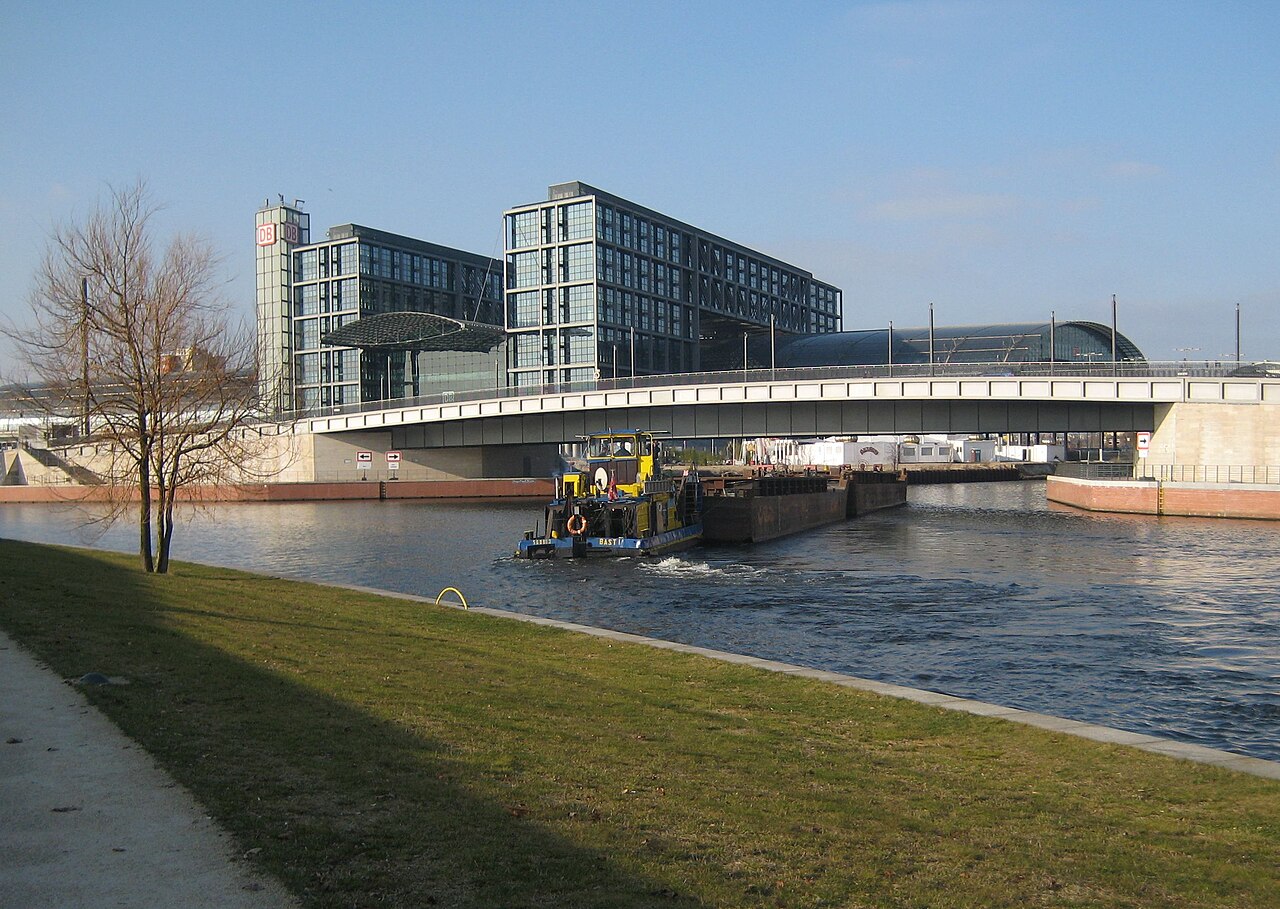
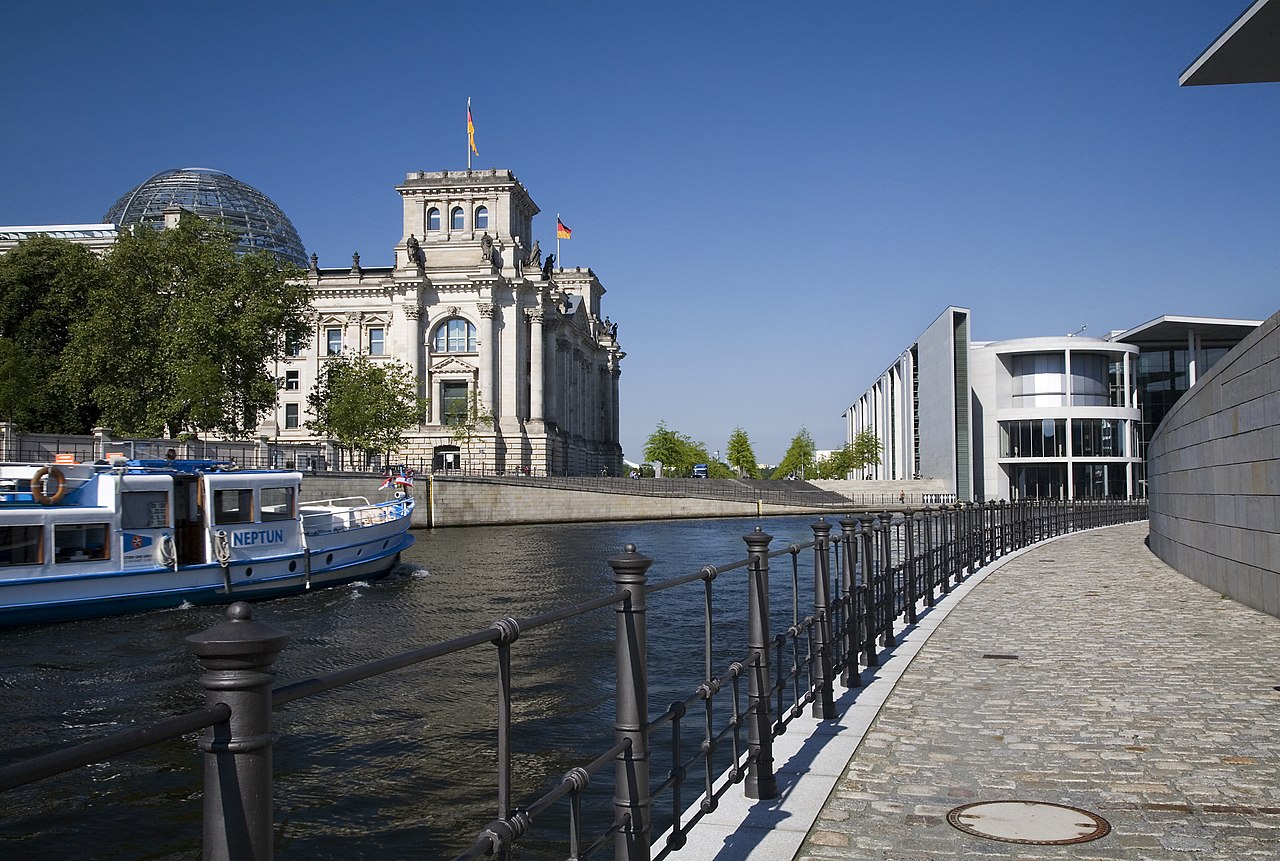
The Spree has played a central role in the development and layout of Berlin, lending riverside boulevards, islands and canal links that define much of the city centre. For practical details on route segments, navigation rules and visitor information consult official regional guides or municipal resources (length and routing, distance conversion, further reading).
Overall, the Spree combines urban river functions with distinctive natural corridors, making it both an important ecological asset and a prominent feature in German geography and culture.
Related articles
Author
AlegsaOnline.com Spree (river) — eastern Germany, Berlin and the Spreewald Leandro Alegsa
URL: https://en.alegsaonline.com/art/92841