
Spring River (Missouri — Kansas — Oklahoma)
A spring-fed river running about 129 miles through southwestern Missouri, southeastern Kansas and northeastern Oklahoma; noted for clear water, recreation, and regional ecological importance.
Overview
The Spring River is a primarily spring-fed stream that flows through three U.S. states: southwestern Missouri, southeastern Kansas, and northeastern Oklahoma. Its total length is commonly given as about 129 miles (208 km). The river is known for stretches of cool, clear water supplied by springs and groundwater, which influence its flow, temperature, and biological communities.
Image gallery
3 Images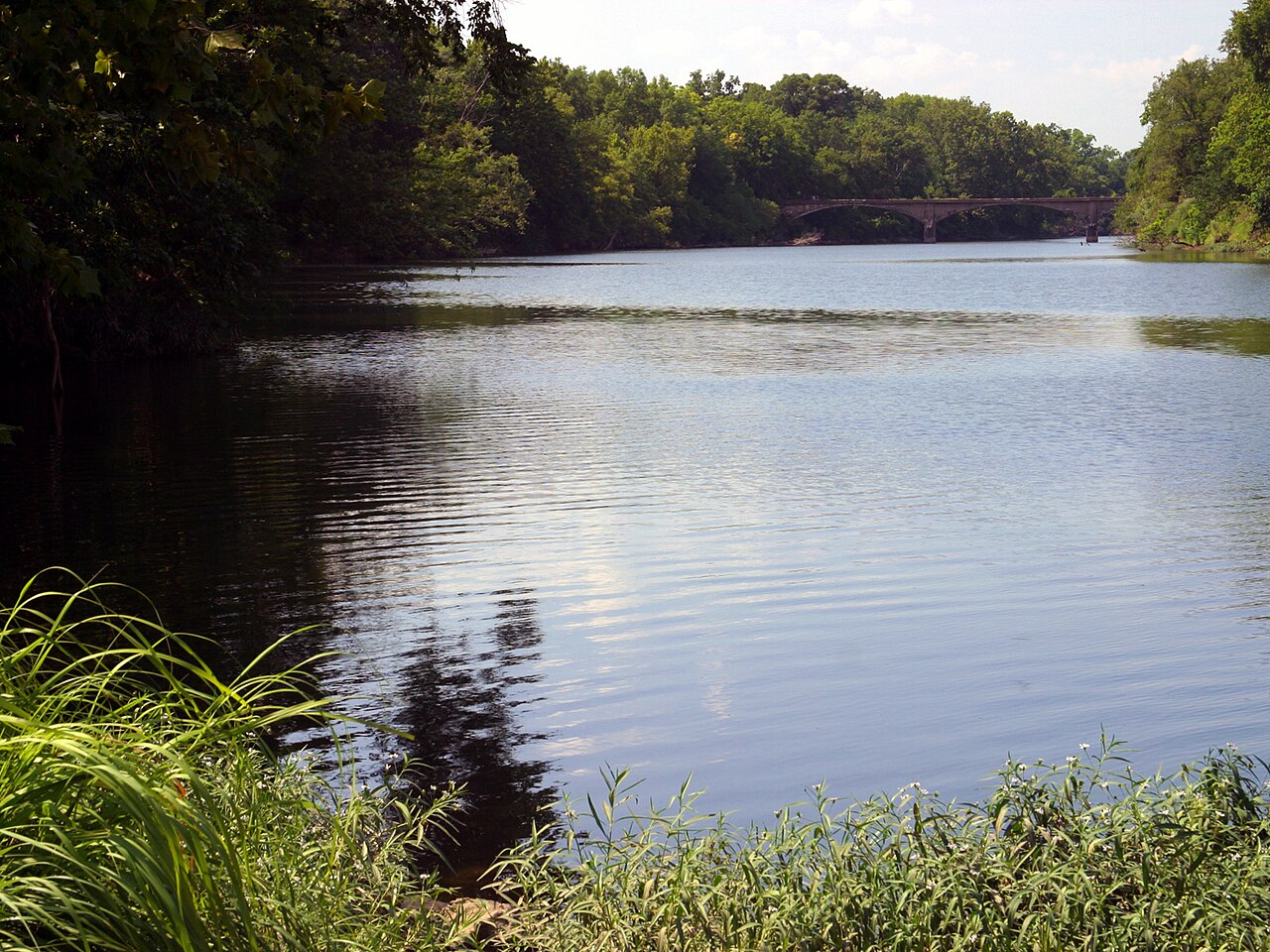


Course and physical characteristics
Although the river's precise headwaters and path are made up of multiple springs and tributary channels, its course runs generally southwestward across the border region between the three states. Spring-fed rivers like this one typically have steadier baseflow than purely rain-fed streams, and they can show significant seasonal variation in water level during heavy rains. The bed and banks include a mix of gravel, sand and rock, with riparian vegetation along many reaches.
Ecology and wildlife
The cool, spring-influenced waters support a variety of aquatic life and riparian species. Fish, invertebrates and aquatic plants adapted to clear, oxygenated water are common. The river corridor provides habitat for birds, amphibians and mammals that use the water and adjacent woodlands. As with many regional waterways, the Spring River's ecological health is influenced by groundwater quality, land use in the watershed, and periodic storm-driven inputs.
Human history and uses
Indigenous peoples, early settlers and later communities have long used the Spring River for water, fishing and local transport. Over time the river supported small mills and agricultural needs in its valley. Today it remains important for local water supply, irrigation in places, and as a natural feature shaping settlement patterns. Local and state agencies in Missouri, Kansas and Oklahoma monitor sections of the river for water quality and manage public access.
Recreation
The Spring River is used for a range of outdoor activities. Common recreational uses include:
- Fishing for warmwater and coolwater species, where present.
- Paddling: canoeing and kayaking on stretches suited to flatwater or mild current.
- Swimming and picnicking at public access points.
- Wildlife watching along riparian corridors.
Conservation and notable facts
Conservation efforts focus on protecting spring sources, reducing agricultural runoff, and preserving riparian vegetation to improve water quality and habitat. The Spring River exemplifies smaller regional spring systems that are both ecologically valuable and important to local communities. For more detailed maps and management plans, consult state resources for the Missouri, Kansas and Oklahoma portions of the watershed.
Related articles
Author
AlegsaOnline.com Spring River (Missouri — Kansas — Oklahoma) Leandro Alegsa
URL: https://en.alegsaonline.com/art/92855
Sources
- viewer.nationalmap.gov : The National Map