
Spider web: structure, function, and types
An overview of spider webs: how spiders make silk nets, major web types and structures, their ecological role, building behaviour, and why webs are studied and admired.
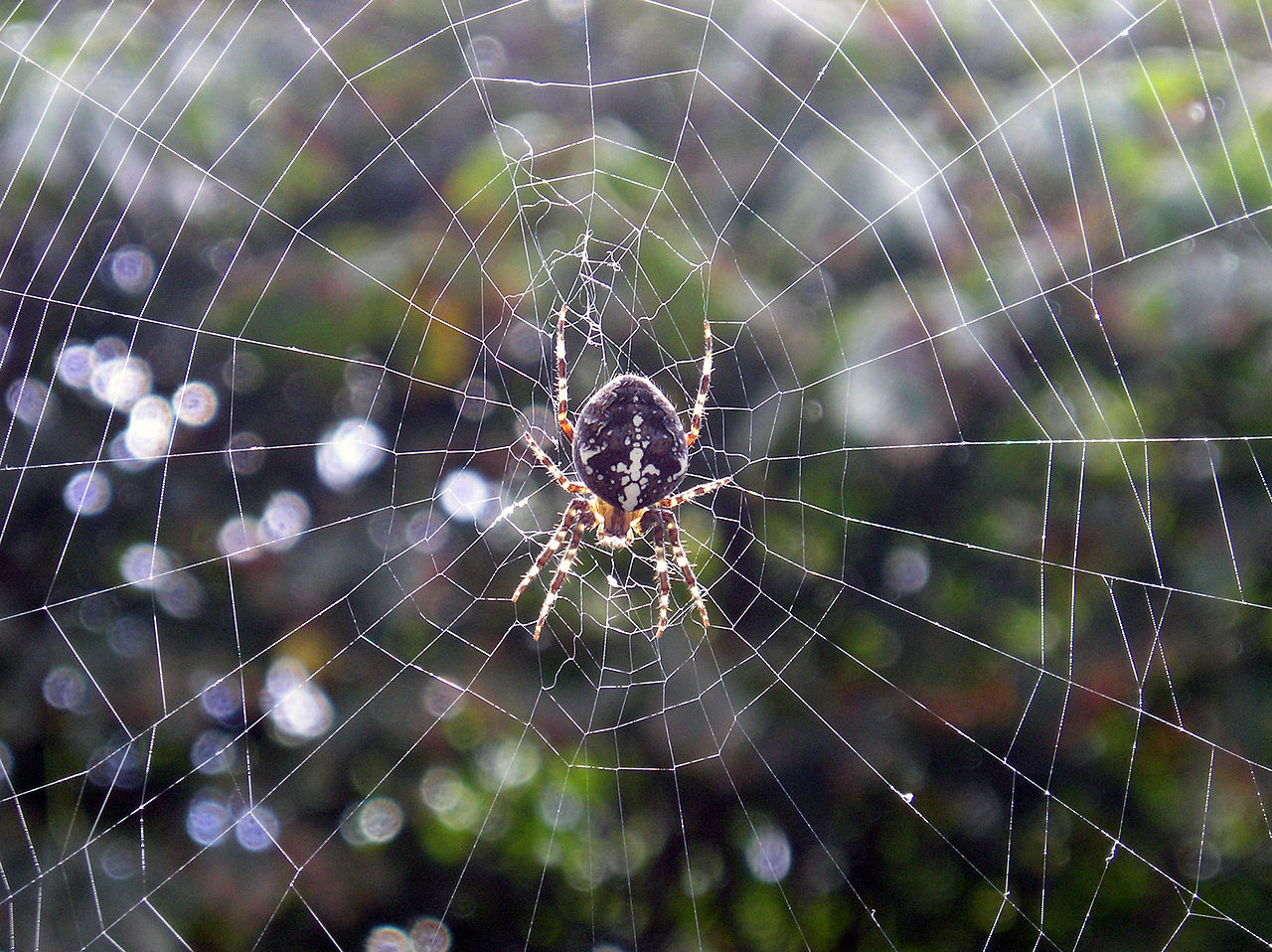
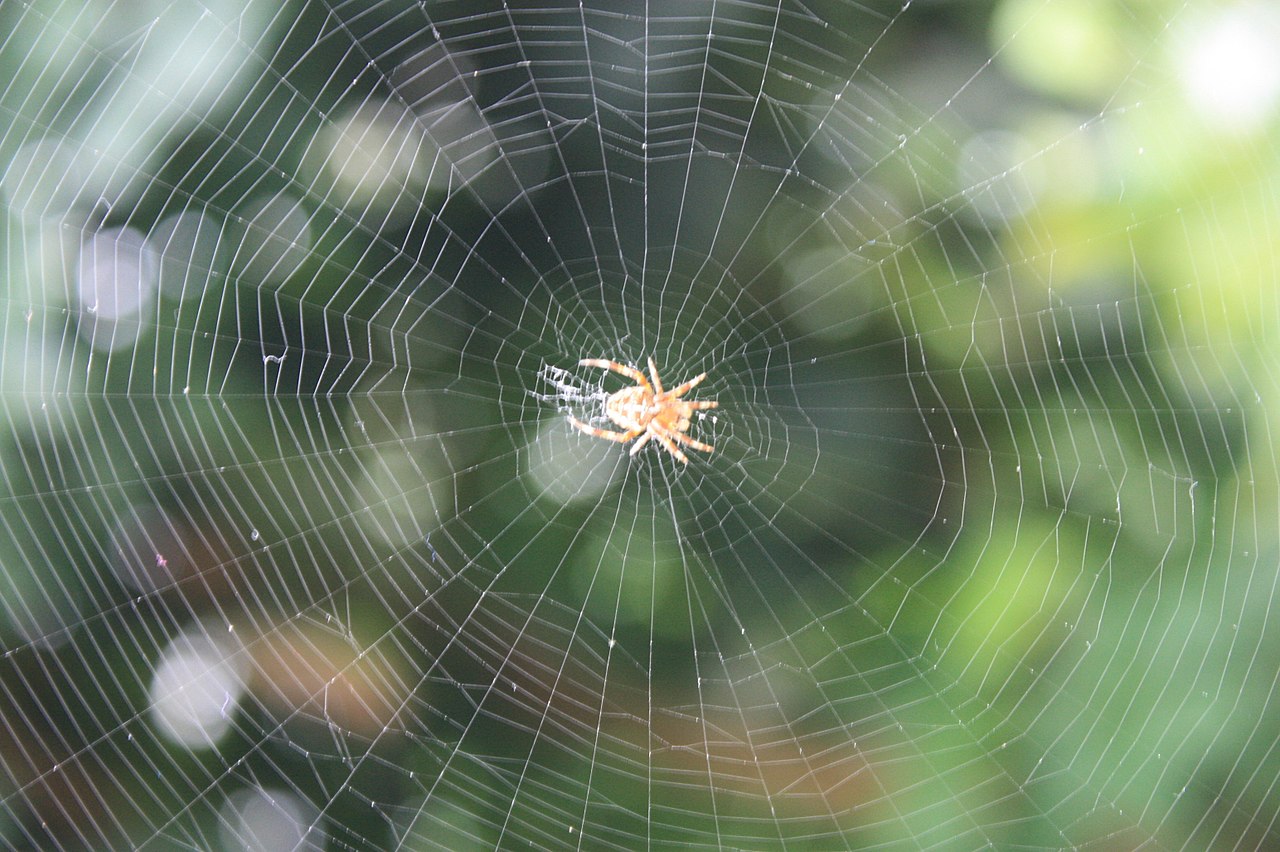
A spider web is a silken structure crafted by spiders from protein fibers known as silk. Its primary role for many species is to capture insects and other small arthropods, but webs can also serve as shelters, retreats, or frames for egg sacs. Webs vary widely in shape and function, yet most combine strength, elasticity and adhesive properties to intercept prey that contact the threads.

Image gallery
10 Images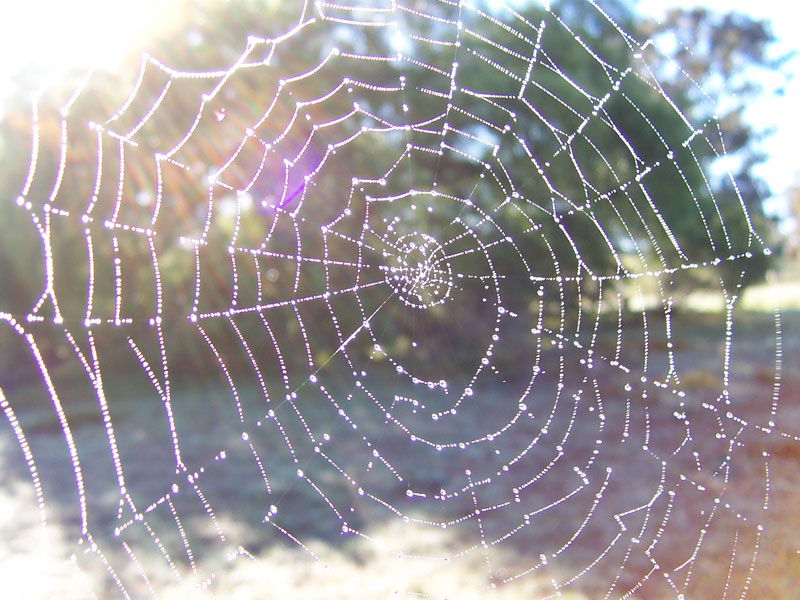



Structure and materials
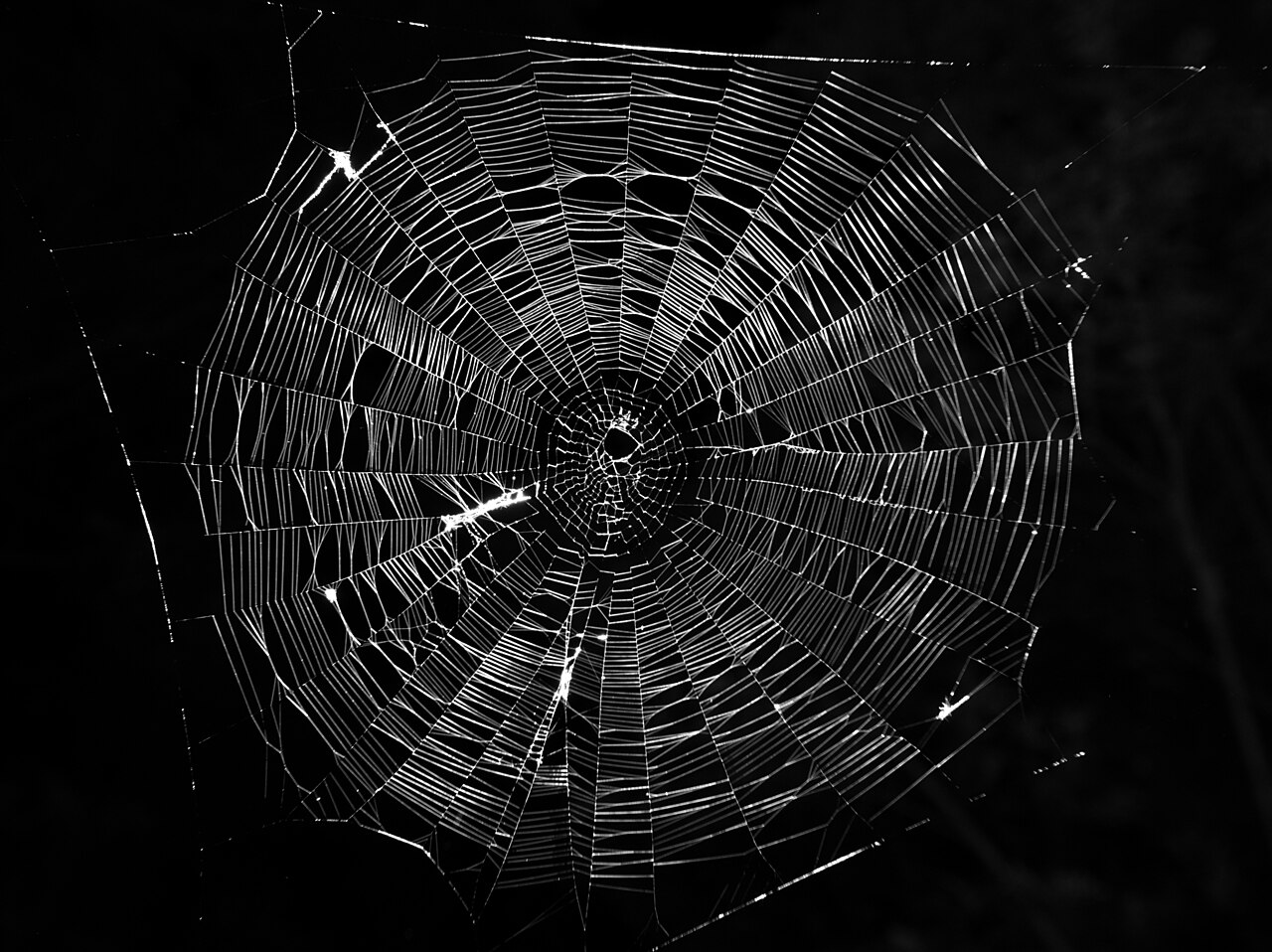
Spider silk is produced by abdominal glands and spun through spinnerets into different types of thread. Webs often use at least two functional thread types: non-sticky structural lines that form the framework and radial supports, and sticky capture silk or glue droplets that retain prey. The arrangement of these threads—such as the spirals and radii of an orb web—affects how energy from an impacting insect is absorbed and how the spider detects vibrations.

Common web types
- Orb webs: circular, wheel-like webs built by orb-weaver spiders; include non-adhesive radial lines and a sticky capture spiral.
- Sheet webs: horizontal or slight-curved sheets of silk that intercept flying or jumping insects above the sheet.
- Funnel webs: flat sheets leading to a tubular retreat where the spider hides and waits for prey.
- Tangle or cobwebs: irregular, three-dimensional threads common in house spiders and cobweb-makers.
- Bolas hunting: some spiders use a single sticky thread swung like a lasso to snare moths rather than building a fixed web.

Behaviour, life cycle and evolution
Web construction is a stepwise behaviour: spiders lay a frame, add radial lines, then spin the capture spiral. Many species periodically consume and recycle silk from old webs, recovering proteins for new silk. Not all spiders build capture webs—active hunters such as wolf spiders and jumping spiders rely on speed and vision. Silk production and web-building have deep evolutionary roots, and variations in web architecture reflect adaptations to prey type, habitat and climate.
Importance and notable facts
Webs play key ecological roles by regulating insect populations and providing microhabitats. Their physical properties have inspired scientific study and biomimetic applications in materials science. Dew, dust and light can make webs highly visible—this visibility led to cultural symbols and practical use by humans throughout history. Observing web form and placement is a reliable way to identify spider behaviour and often the species group that made it.
Related articles
Author
AlegsaOnline.com Spider web: structure, function, and types Leandro Alegsa
URL: https://en.alegsaonline.com/art/92665