
Spermatic cord — anatomy, function, development and clinical importance
The spermatic cord is a bundle of structures that runs between the abdomen and each testicle, containing the vas deferens, vessels, nerves and coverings important for testicular blood flow, drainage and sperm transport.
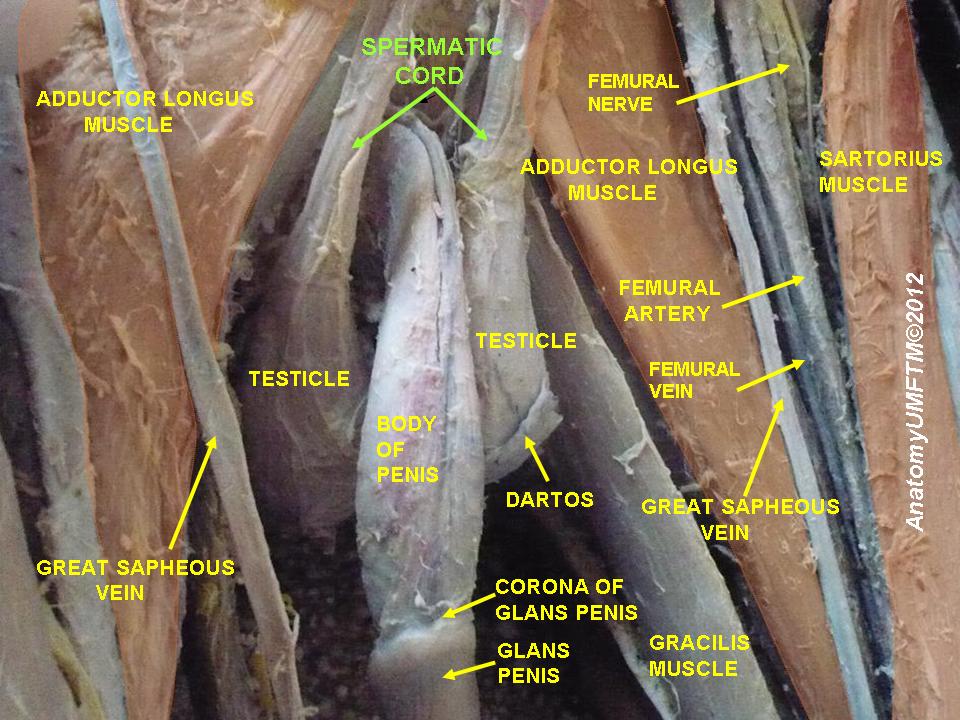
The spermatic cord is a tubular assembly of tissues that extends from the region of the lower abdomen through the inguinal canal and down to the testicle. It encloses several structures essential to male reproductive and testicular function, and forms a protective conduit during testicular descent and adult movement. The cord is palpable in the groin and is clinically important in a number of surgical and emergency conditions.
Image gallery
9 Images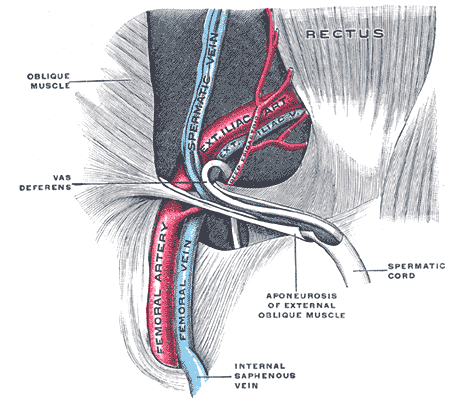


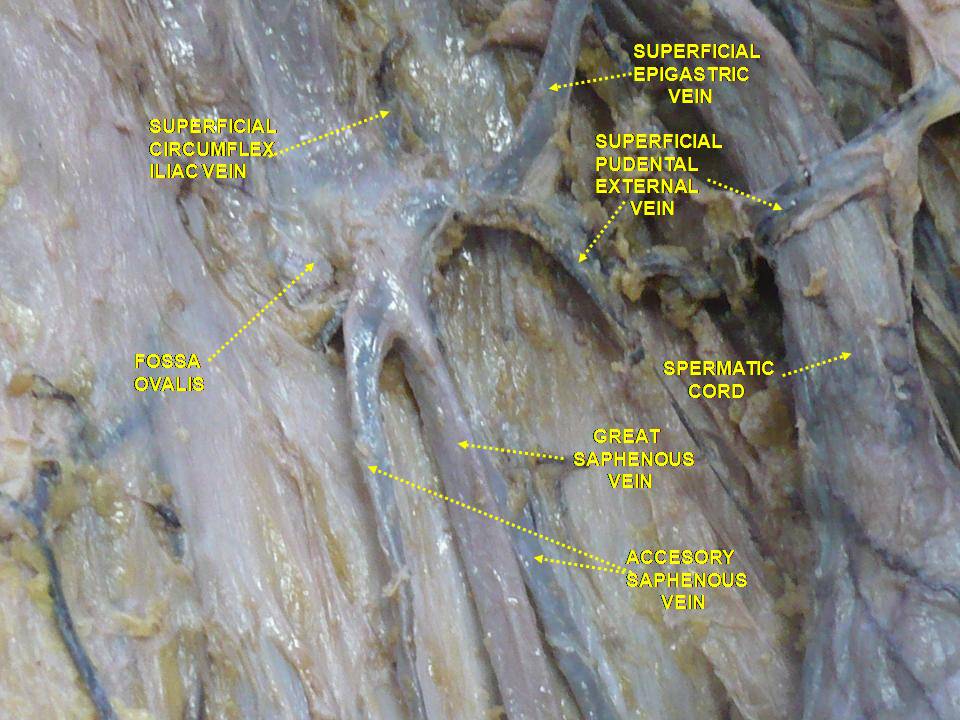
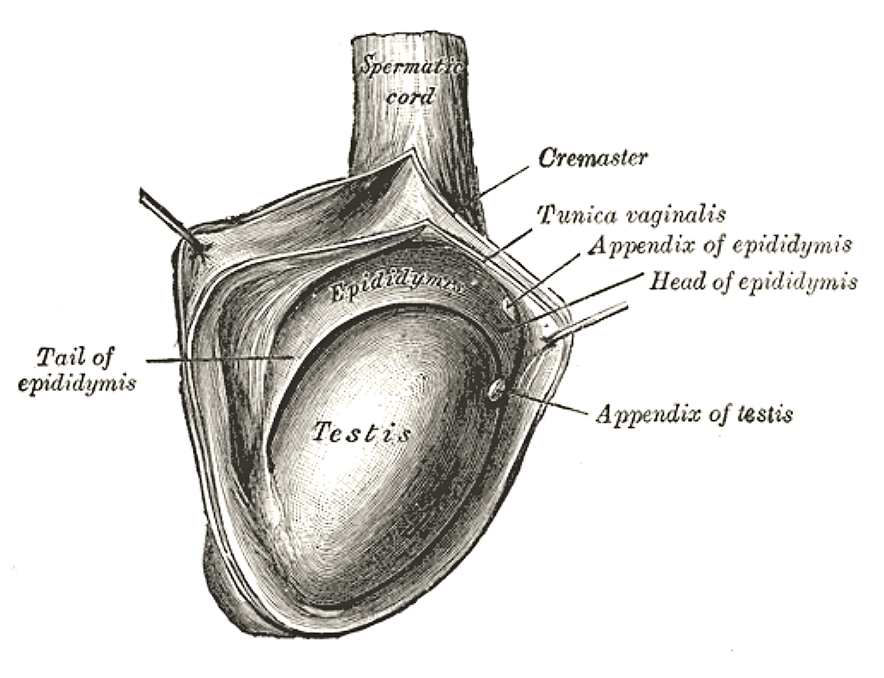

Anatomy and components
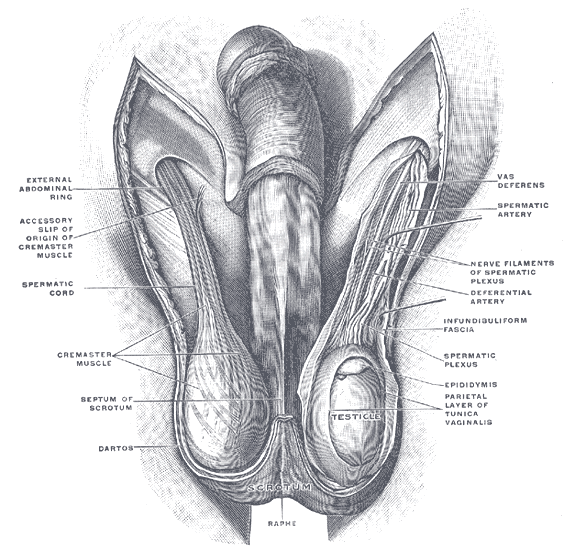
At its core is the vas deferens (ductus deferens), the muscular tube that conveys sperm from the epididymis toward the ejaculatory ducts and ultimately the urethra during ejaculation. Surrounding and accompanying it are:
- Testicular artery (from the abdominal aorta) supplying arterial blood.
- Pampiniform plexus of veins that drains the testis and helps cool arterial blood.
- Cremasteric muscle fibers and associated fascia responsible for modest movement of the testis.
- Genital branch of the genitofemoral nerve and autonomic fibers, plus lymphatic vessels.
Coverings and pathway
The cord is invested by three fascial layers derived from the abdominal wall (internal spermatic fascia, cremasteric fascia, and external spermatic fascia) as it passes from the abdomen through the inguinal canal. These layers form during testicular descent in fetal development and persist into adulthood.
Development and clinical significance
Embryologically the testis descends along the path that becomes the spermatic cord. Clinically the cord is involved in conditions such as testicular torsion (twisting of the cord with sudden pain and ischemia), varicocele (dilated pampiniform veins), indirect inguinal hernia (intestinal contents passing alongside the cord), and is the site manipulated during vasectomy and varicocelectomy procedures. Understanding its anatomy is essential for safe surgical approaches and for diagnosing groin and scrotal complaints.
Related articles
Author
AlegsaOnline.com Spermatic cord — anatomy, function, development and clinical importance Leandro Alegsa
URL: https://en.alegsaonline.com/art/92631