
Spaceport: facilities, functions, history and cultural depictions
An overview of spaceports: design, facilities, operations, types, history, regulatory and environmental issues, commercial uses, and how spaceports appear in culture and fiction.
Overview
A spaceport is a purpose-built complex that supports the launch, landing and ground handling of vehicles that travel to or from space. It provides the infrastructure needed to prepare a spacecraft for flight, to monitor missions, and to recover or process vehicles and payloads after return. Spaceports range from large government-owned complexes to smaller commercial or private sites and can serve both orbital and suborbital operations. They are chosen and designed to manage safety, range clearance and the technical demands of different vehicle types.
Image gallery
3 Images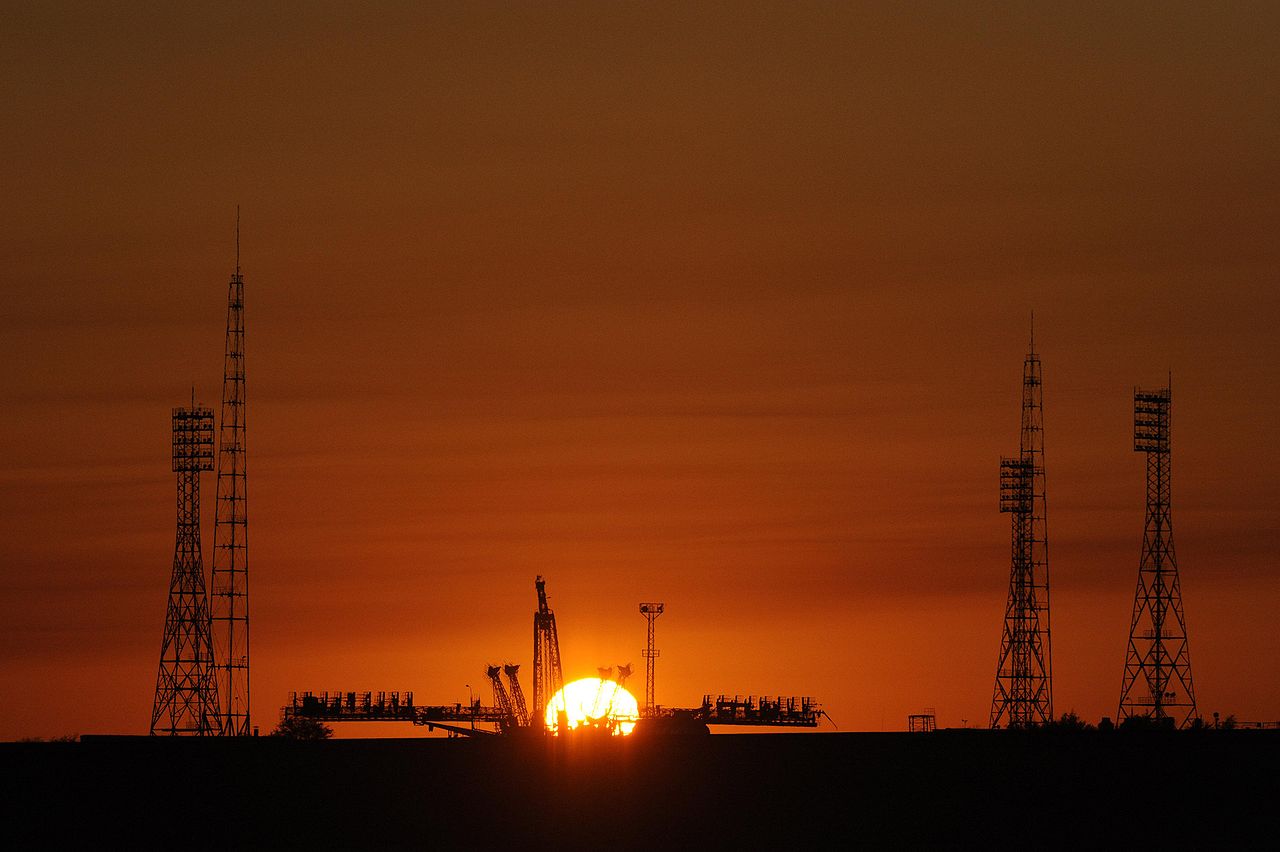


Design and principal facilities
Design depends on mission profile and vehicle architecture. A vertical-launch site focuses on large fixed pads and support towers, whereas a horizontal-launch complex resembles an airfield with long runways for winged vehicles or carrier aircraft. Typical facilities include:
- Launch pads and towers: permanent platforms with service structures, fueling interfaces and flame trenches; see launch pads.
- Vehicle integration buildings: controlled environments where stages, payloads and fairings are assembled and tested.
- Mission control and tracking: telemetry, range-safety, communications and orbit-determination systems used during ascent and reentry.
- Ground support and hazardous handling: fuel farms, cryogenic systems, hazardous-material containment and transport routes for propellants such as liquid oxygen, hydrazine or kerosene and modern alternatives used for rocket propulsion.
- Runways and hangars: for sites supporting horizontal takeoff and landing, maintenance, and rapid aircraft-style turnarounds.
History and development
Spaceports grew out of early mid-20th century rocket test ranges and military missile sites. National space agencies and defence organisations established initial launch complexes to support orbital access. Over decades, civil programmes and later commercial entrants diversified the types and ownership models of spaceports. Agencies such as NASA helped develop procedures, safety standards and range-control practices that many operators still follow.
Primary uses and examples
Spaceports support a broad range of missions: placing communications and Earth-observation satellites into orbit, launching scientific probes and telescopes, crewed transport and resupply flights, suborbital research and tourism, and vehicle testing. They also host payload processing, environmental testing and final integration steps before launch. While some long-established orbital sites have decades of history, newer commercial spaceports are optimised for rapid turnarounds and private-sector services.
Types and operational distinctions
- Orbital vs. suborbital: orbital launches reach sufficient horizontal velocity to stay in orbit; suborbital flights reach space but return without completing an orbit.
- Vertical vs. horizontal launch: rockets lift off from pads, while horizontal systems take off from runways or under a carrier aircraft.
- Fixed vs. mobile: some launches are conducted from ships or barge platforms to allow flexible launch azimuths and safety corridors.
Safety, regulation and environmental considerations
Operating a spaceport requires coordination with national aviation and maritime authorities, environmental agencies and, often, military range-control units. Safety measures include exclusion zones, flight termination systems, emergency response planning and hazardous-material controls. Environmental concerns can include noise, air quality impacts from exhaust and potential contamination from propellants; siting decisions balance geographic advantage for orbital inclinations with minimal impact on populated areas and wildlife.
Economic and social impact
Spaceports can stimulate regional economies through skilled job creation, supply chains and tourism. They may attract aerospace suppliers, research institutions and educational programmes. Conversely, they demand significant infrastructure investment and ongoing oversight, and their benefits are often concentrated in specific regions.
Spaceports in culture and the future
In science fiction and popular media, spaceports are frequently portrayed as sprawling international terminals similar to modern airports, complete with passenger concourses, cargo hubs and customs facilities. These depictions imagine frequent, airline-like services; real-world developments are moving toward increased commercial traffic and passenger services, with private ventures exploring suborbital tourism and point-to-point flights that could someday resemble an airline network. Technical, regulatory and safety challenges remain, but the continued evolution of vehicle designs, reusable systems and range management practices will shape how spaceports operate in coming decades.
Related articles
Author
AlegsaOnline.com Spaceport: facilities, functions, history and cultural depictions Leandro Alegsa
URL: https://en.alegsaonline.com/art/92432