
Spanish treasure fleet (Flota de Indias)
The Flota de Indias was Spain’s organized convoy system (c. 1566–1790) linking the Iberian Peninsula with American colonies, transporting bullion, goods and passengers and shaping Atlantic commerce.
The Spanish treasure fleet, commonly known by its Spanish name Flota de Indias, was an institutionalized convoy system that the Spanish Crown used roughly between 1566 and 1790 to regulate and protect transatlantic trade between Spain and its American territories. Operating on scheduled sailings and fixed routes, the fleet concentrated shipments of precious metals, colonial commodities, and personnel under imperial control. Its creation reflected the Crown’s desire to secure revenue, control commerce with the overseas territories, and defend valuable shipments against piracy and enemy states.
Image gallery
6 Images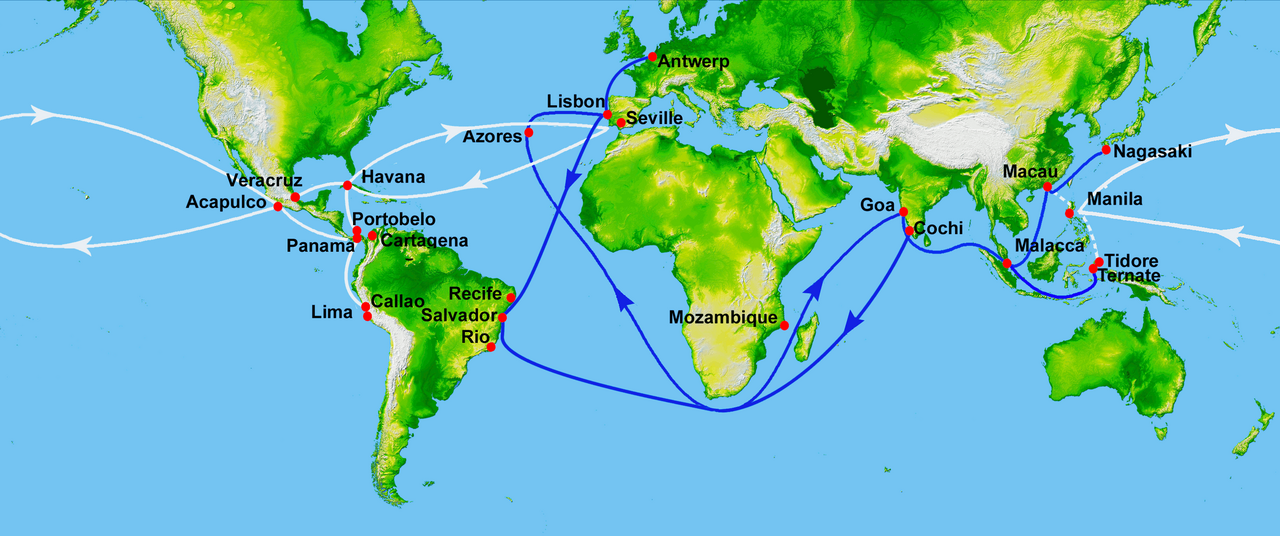



Origins and administration
The Flota system developed from earlier, more ad hoc voyages and was formalized in the later 16th century as Spain sought to centralize colonial trade. Imperial institutions such as the Casa de Contratación in Seville oversaw licenses, ship registers and navigation rules, while royal officials regulated taxes and the legal framework for commerce. The Crown’s monopoly on certain routes and cargos meant that most legal transatlantic traffic was funneled into the convoy system, which both simplified administration and made fiscal receipts more predictable for the royal treasury.
Routes and schedule
The system principally comprised two large circuits serving different regions of Spanish America. One fleet collected shipments from New Spain (notably Veracruz) and returned to the Iberian ports; another served the Caribbean and Tierra Firme (including Cartagena and Portobelo). Convoys gathered at staging points in the Caribbean and crossed the Atlantic on routes shaped by prevailing winds and currents. Voyages were seasonal—planned to take advantage of favorable weather—and sailed on an established timetable so that shipping, customs and military escorts could be coordinated.
Cargoes, passengers and economic role
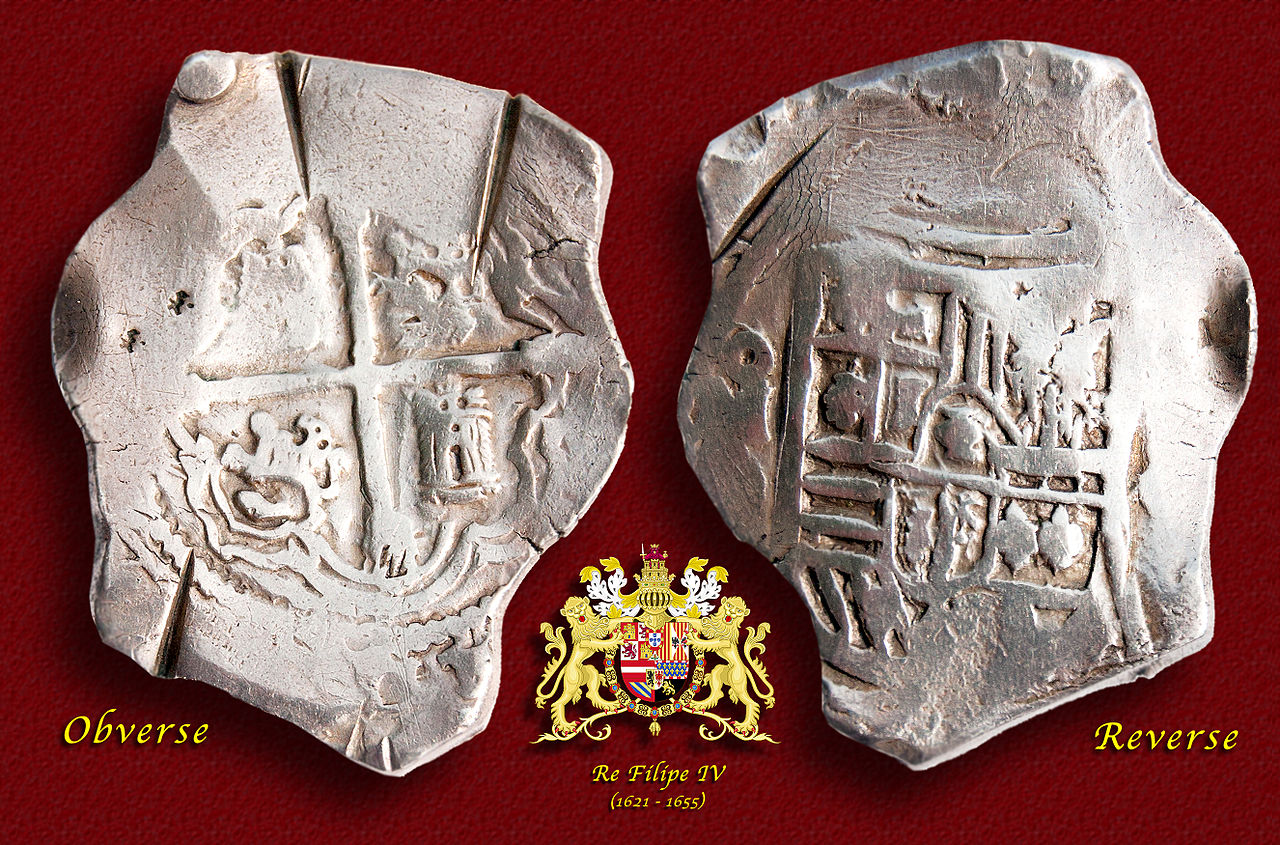
The fleets carried a wide variety of goods in both directions. To Spain they brought large quantities of silver and gold from mines, as well as pearls, gems, cochineal and agricultural commodities such as sugar, tobacco and timber. From Spain and Europe the convoys delivered manufactured goods, textiles, books, tools, church supplies and government officials and settlers bound for the colonies. Because the Crown controlled access to these routes and levied duties, the Flota was central to imperial revenue and influenced prices, merchant networks and the distribution of bullion throughout Europe.
- Precious metals and bullion: silver from Andean and Mexican mines was the most significant cargo, underpinning Spanish fiscal capacity for centuries.
- Colonial commodities: sugar, tobacco, dyes, and timber were typical export staples that fueled colonial economies.
- Imports to America: textiles, tools, books and ecclesiastical goods sustained colonial society and administration.
Security, threats and notable incidents
The convoy arrangement aimed to reduce losses from piracy, privateering and wartime interception by organizing ships into escortable groups. Nonetheless, the concentrated and predictable nature of the treasure shipments made them prime targets. English and Dutch privateers, as well as pirates, frequently sought to intercept convoys. A notable episode in this struggle was the capture of a Spanish silver fleet by Dutch forces in the early 17th century, an action that dealt a severe blow to Spanish finances and demonstrated the vulnerability of even protected convoys. The persistent threat of attack influenced naval strategy, convoy design and colonial defenses.
Ports, logistics and maritime practice
Seville was the long-standing terminus for incoming treasure and the seat of the Casa de Contratación; later, by the early 18th century, Cádiz gained prominence as silting and changing trade patterns made it a more practical harbor. Ships in the convoys varied from large treasure galleons to smaller merchantmen and armed escorts. The system encouraged developments in navigation, shipbuilding, port infrastructure and maritime insurance, and it fostered a class of merchants and officials who specialized in managing imperial trade under a regulated monopoly.
Decline and legacy
Over the 18th century political, economic and military changes—including wars, reforms in imperial administration, and shifts in colonial production—reduced the centrality of the Flota system. By the late 1700s, free trade pressures and administrative reforms began to dismantle strict monopoly arrangements, and the traditional convoy regime waned. The historical legacy of the Flota includes its role in shaping the global flow of precious metals, contributing to broader European monetary and price effects, and promoting innovations in convoy tactics, insurance and long-distance commercial organization. Parallel systems, such as the Manila galleons across the Pacific, complemented the Atlantic routes and formed part of a global web of early modern exchange.
Related topics and further reading
- Convoy system and organization
- Spanish Empire administration
- Spain as the metropolitan hub
- American colonies and resource extraction
- Timber and colonial shipbuilding
- Silver mining and exports
- Gold shipments and treasure cargos
- Pearl fisheries and gem trade
- Spice trade connections
- Sugar plantations and transatlantic commerce
- Tobacco and colonial cash crops
- Silk and luxury imports
- Textiles and manufactured goods to the colonies
- Books, navigation and the spread of knowledge
- Tools, equipment and colonial infrastructure
The Flota de Indias remains a central subject for understanding Atlantic history, early modern fiscal states, and the economic connections that bound Europe, the Americas and beyond. Scholars study it to learn how regulated trade and naval protection shaped patterns of exchange, the movement of wealth, and the geopolitical rivalries of the period.
Questions and answers
Q: What was the Spanish treasure fleet?
A: The Spanish treasure fleet was a convoy system adopted by the Spanish Empire from 1566 to 1790, which linked Spain with its territories in America across the Atlantic.
Q: What types of items were transported by the convoy fleets?
A: The convoy fleets transported a wide variety of items, including agricultural goods, lumber, various metal resources, luxuries, silver, gold, gems, pearls, spices, sugar, tobacco, silk, and other exotic goods from the Spanish Empire.
Q: What was the opposite direction of transportation for the Spanish treasure fleet?
A: Passengers and goods such as textiles, books, and tools were transported in the opposite direction.
Q: What was the significance of the West Indies fleet?
A: The West Indies fleet was the first permanent transatlantic trade route in history.
Q: What was the significance of the Manila galleons?
A: The Manila galleons were the first permanent trade route across the Pacific.
Q: How long was the Spanish treasure fleet in operation?
A: The Spanish treasure fleet was in operation from 1566 to 1790.
Q: What countries were involved in the Spanish treasure fleet convoy system?
A: The convoy system was adopted by the Spanish Empire to link Spain with its territories in America.
Related articles
Author
AlegsaOnline.com Spanish treasure fleet (Flota de Indias) Leandro Alegsa
URL: https://en.alegsaonline.com/art/92491