
Spoke (wheel component)
A spoke is a rod or bar connecting a wheel's hub to its rim. This article explains spokes' form, materials, history, functions, common designs and care.
A spoke is a structural member that connects the central hub of a wheel to its outer rim or traction surface. Spokes transfer loads between the hub and rim, maintain the wheel's shape, and resist bending and torsion during use. Spokes appear in many wheel types, from traditional wooden wagon wheels to modern bicycle and automotive wheels. For background on the larger assembly, see the wheel.
Image gallery
6 Images


Basic form and materials
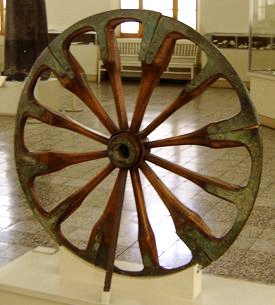
Traditionally, spokes were carved from wood and shaped to a tapered profile. Today spokes are made from a variety of materials chosen for strength, weight, and durability: steel and stainless steel wire for bicycles, aluminum alloy or steel rods for motorcycles and some wheels, and composite materials in high-performance applications. The hub houses the axle connection and is the part to which spokes attach; for more on that component refer to the axle.
How spokes work
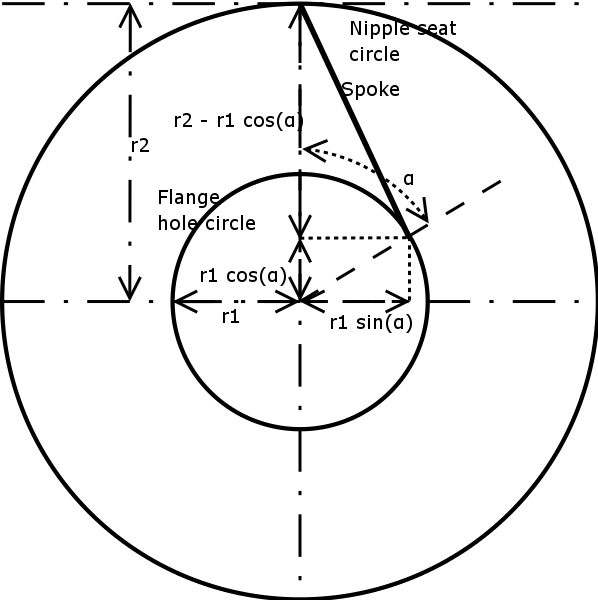
Spokes can act in tension, compression, or a combination depending on design. Wire spokes on bicycle wheels primarily work in tension and rely on pre-tensioning to give the wheel stiffness. Wooden or thick metal spokes often carry compressive loads as well. Proper spoke arrangement and tensioning distribute rider or vehicle loads evenly, resist lateral forces, and keep the rim round and true.
Types, patterns and terminology
- Radial spokes: run straight from hub to rim without crossing other spokes, often used where torsional stiffness is less critical.
- Crossed spokes (e.g., 3-cross): each spoke crosses several others between hub and rim; common on bicycles and carriage wheels for strength and torque transmission.
- Screwed or bladed spokes: flattened or aerodynamic shapes used on racing wheels to reduce air resistance.
History and etymology
The word "spoke" originated from the practice of splitting a log into sections called spokes, which were then shaped into the radial members of a wheel. Wheelwrights carved these elements by hand; over time the term came to refer to the finished component rather than the splitting process. The craft and the parts evolved alongside transportation needs, from wooden carts to lightweight metal wheels.
Uses, maintenance and notable facts
Spokes are critical to a wheel's performance. Routine maintenance can include tension checking, truing (adjusting tension to keep the rim straight), and replacing damaged spokes. In multi-spoke wheels the pattern affects ride quality, strength and repairability. For historical techniques and craftsmanship, see traditional wheelwright practices. Spoke design continues to evolve with new materials and manufacturing methods, balancing weight, strength and cost.
Further reading can explore detailed spoke stress analysis, modern manufacturing methods, and comparative advantages of different spoke layouts in specific vehicles or cycling disciplines.
Related articles
Author
AlegsaOnline.com Spoke (wheel component) Leandro Alegsa
URL: https://en.alegsaonline.com/art/92757