
Soyuz 11 (Salyut 1 mission)
Soviet crewed flight that successfully occupied the first space station, Salyut 1, but ended when the three cosmonauts died from depressurization during reentry, prompting major safety changes to Soyuz.
Overview
Soyuz 11 was a Soviet crewed space mission that became the first to live aboard the world’s first space station, Salyut 1. Launched as a follow-up to the failed docking attempt of Soyuz 10, the flight carried a three‑man crew to occupy, inspect and carry out experiments on the new orbital outpost.
Image gallery
4 Images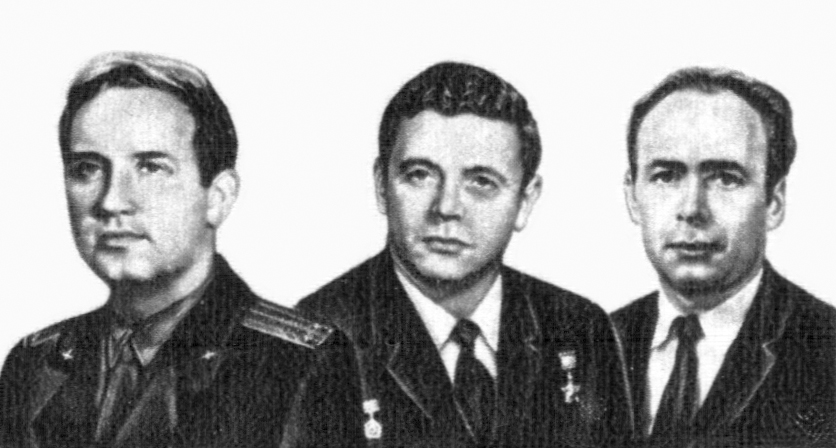


Crew and spacecraft
The mission used a Soyuz spacecraft, a modular vehicle with separate orbital, descent and service modules. The three crewmembers were:
- Georgy Dobrovolsky
- Vladislav Volkov
- Viktor Patsayev
At that time Soyuz crews habitually traveled without pressure suits during reentry to fit three people into the descent module, a practice that later proved fatal.
Mission events
The crew successfully docked with Salyut 1 and spent several weeks aboard conducting engineering checks and scientific observations. Their stay demonstrated that the concept of a crewed space station could sustain humans for an extended period and returned useful data on living and working in orbit.
Fatal reentry and investigation
During preparations for return to Earth, the Soyuz descent module depressurized following separation from its service module. The rapid loss of cabin pressure caused the three cosmonauts to asphyxiate before ground controllers realized something had gone wrong. An investigation concluded that a valve had opened when modules separated, allowing the cabin atmosphere to escape; the crew were not wearing pressure suits and could not survive the event.
Aftermath and legacy
The accident had immediate technical and programmatic consequences. Soyuz vehicles were redesigned to prevent premature valve opening and to permit crew members to wear pressure suits during critical phases. Flights were paused and safety standards were revised; subsequent missions flew with fewer crew or modified interiors so suits could be worn. The Soyuz 11 crew are commonly noted as the only people known to have died in space (above the Kármán line), and the loss shaped Soviet and later Russian human spaceflight safety practices for decades.
Notable facts
- Soyuz 11 was the first mission to successfully inhabit a space station.
- The accident emphasized the hazard of cabin depressurization and led to design changes and operational rules still reflected in crewed spacecraft safety doctrine.
Related articles
Author
AlegsaOnline.com Soyuz 11 (Salyut 1 mission) Leandro Alegsa
URL: https://en.alegsaonline.com/art/92386
Sources
- spacesafetymagazine.com : "The Crew That Never Came Home: The Misfortunes of Soyuz 11"
- time.com : "Triumph and Tragedy of Soyuz 11"