
Spanish conquest of the Aztec Empire (1519–1521)
The military and political campaign led by Hernán Cortés that toppled the Aztec Empire between 1519 and 1521, reshaping central Mexico through alliance, warfare, and epidemic disease.
The Spanish conquest of the Aztec Empire was a rapid and transformative campaign in central Mexico carried out between 1519 and 1521. Led by Hernán Cortés, a small force of Spanish conquistadors entered a region dominated by the Aztec state based at Tenochtitlan, capital of the Aztec Empire. The campaign combined conventional military engagements, diplomatic maneuvering, and crucially the formation of alliances with indigenous groups hostile to Aztec rule.
Image gallery
10 Images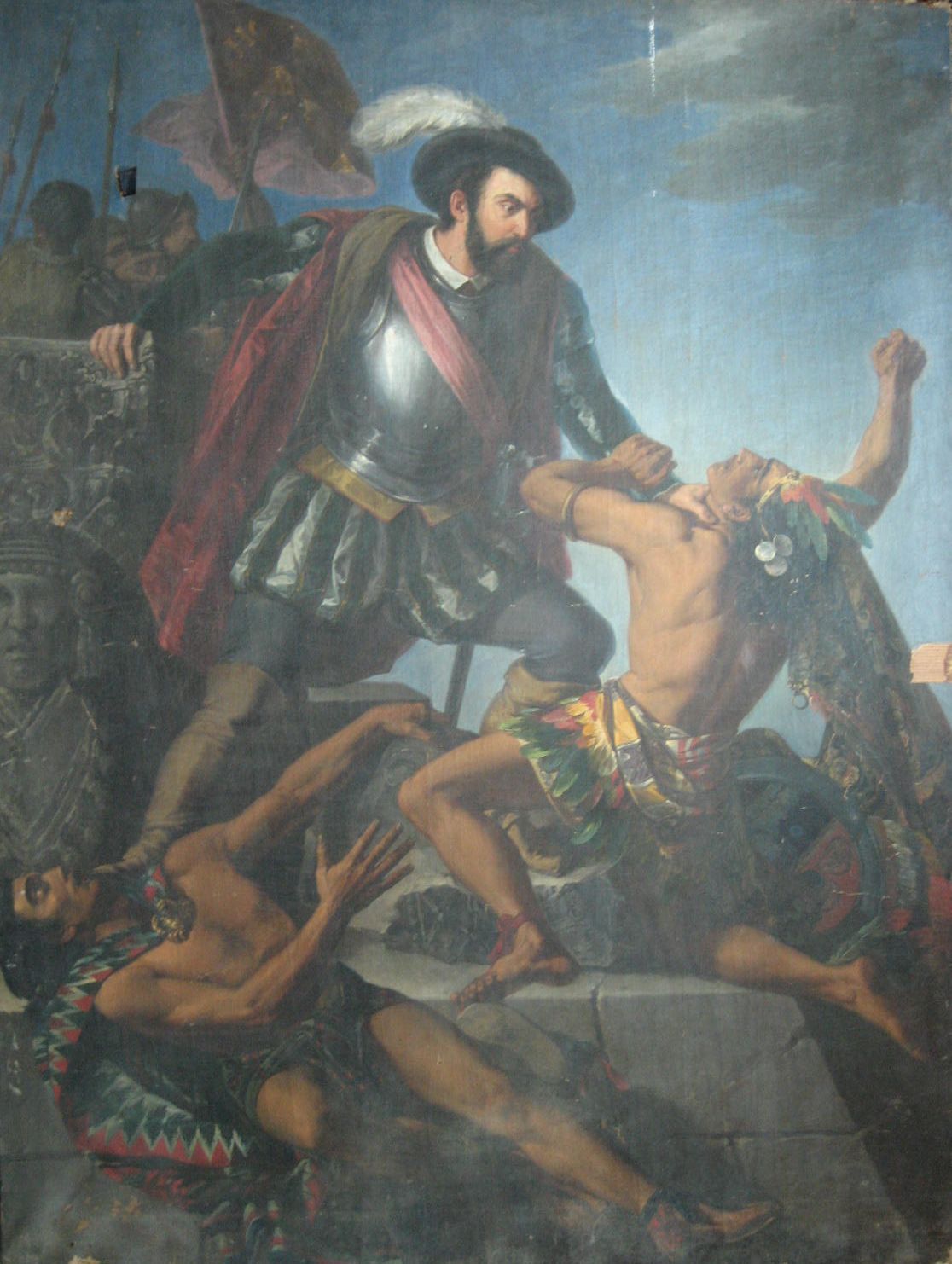




Course of the campaign
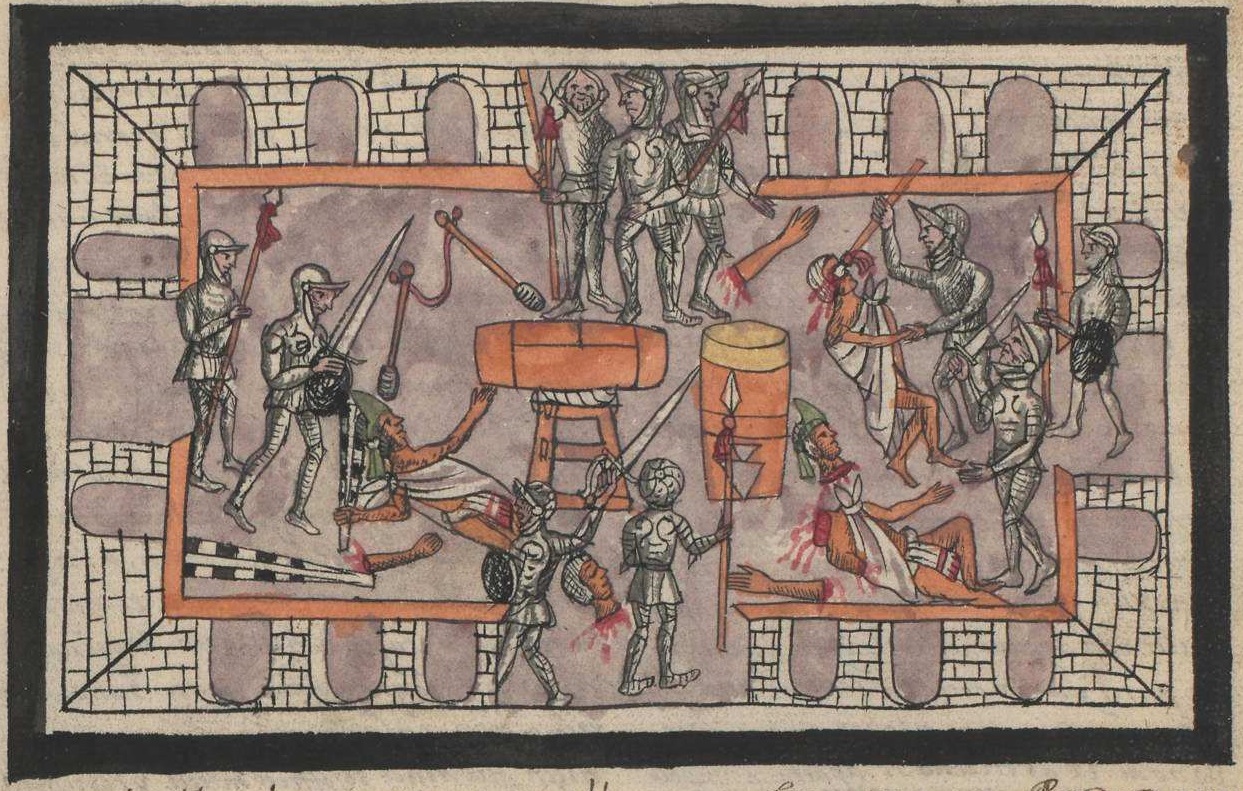
The invasion unfolded through several distinct phases: coastal landings and inland advance, alliance-building with city-states such as Tlaxcala, the Spanish entry into Tenochtitlan, the capture of the emperor and a subsequent uprising, and finally a prolonged siege of the city. Key episodes include the initial meetings between Cortés and the emperor Moctezuma II, the violent withdrawal known as La Noche Triste, and the final blockade and destruction of Tenochtitlan in 1521. These events blended conventional siege tactics, native urban warfare, and naval operations on Lake Texcoco.
Why a small Spanish force prevailed
- Alliances: Many subject peoples resented Aztec tribute demands and enlisted the Spanish as allies, swelling Cortés's effective strength.
- Technology and tactics: Firearms, steel weapons, horses, and war dogs gave the Spaniards tactical advantages even when outnumbered.
- Political fragmentation: The Aztec Empire ruled through a network of subordinate city-states whose loyalties were sometimes fragile.
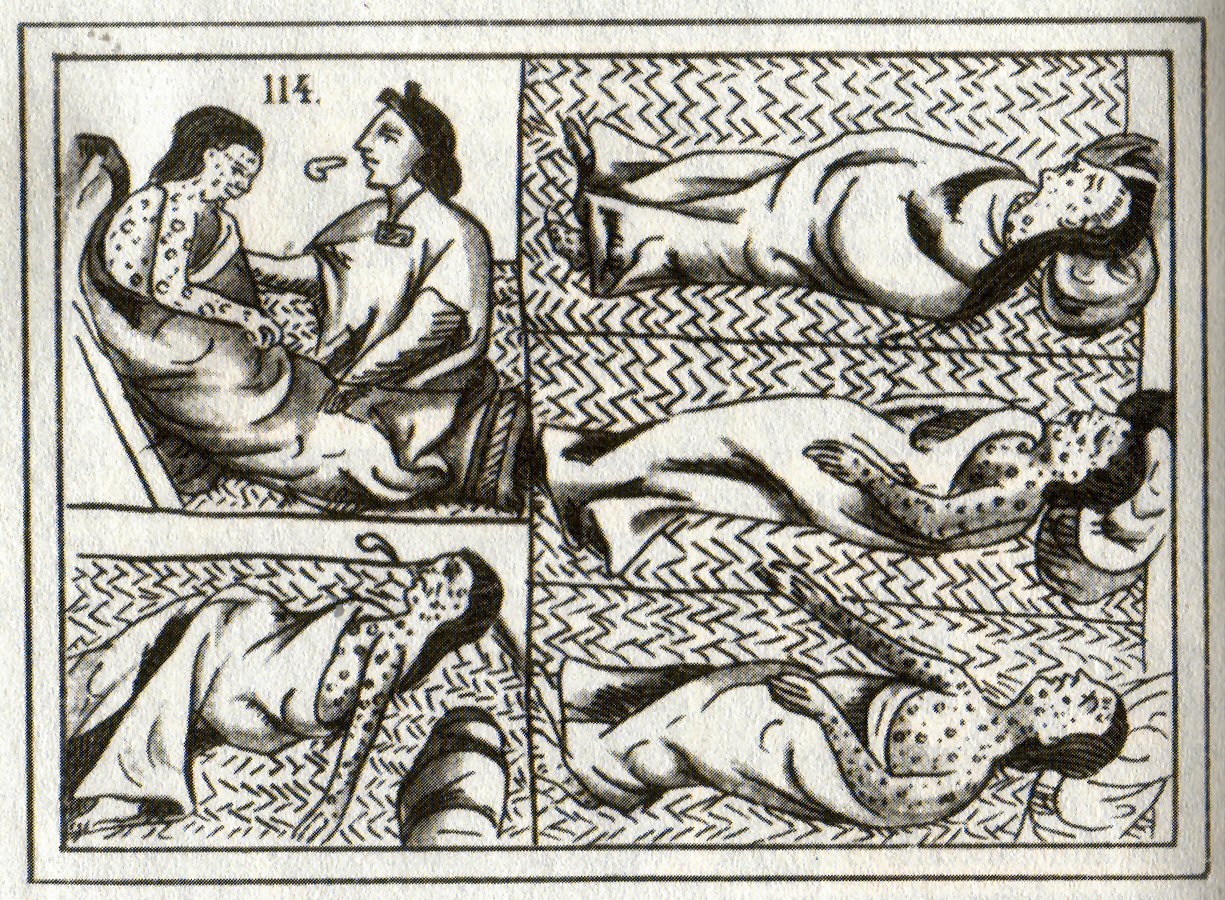
- Disease: Old World pathogens—most notably smallpox—spread rapidly and devastated indigenous populations, undermining social and military capacity.
Consequences and legacy
The fall of Tenochtitlan brought the collapse of the Aztec imperial political structure and opened central Mexico to Spanish colonial rule, missionary activity, and settler migration. Indigenous societies experienced massive demographic decline, social disruption, and cultural change; scholars note catastrophic population losses in the decades after contact, with some estimates indicating declines of very large percentages in parts of central Mexico (population studies). The conquest also set the stage for the broader Spanish colonization of the Americas, creating a colonial administration, new economic patterns, and enduring cultural blending.
Historical interpretation
Historians study the conquest as a complex interaction rather than a single-sided encounter. Interpretations weigh Spanish motives and agency against indigenous political choices, local rivalries, and ecological and epidemiological factors. The event remains central to Mexico's history and memory: it is viewed variously as the end of a powerful indigenous state, the beginning of colonial transformation, and the starting point for centuries of cultural exchange and conflict.
For further reading and primary documents consult contemporary accounts and modern syntheses that examine military operations, indigenous perspectives, and the role of disease in demographic change.
Questions and answers
Q: Who led the Spanish conquest of the Aztec Empire?
A: Hernán Cortés led the Spanish conquest of the Aztec Empire.
Q: When did the Spanish conquistadors overthrow the Aztec Empire?
A: The Spanish conquistadors overthrew the Aztec Empire between 1519 and 1521.
Q: What is the event called when the Spanish conquistadors overthrew the Aztec Empire?
A: The event is called the Spanish conquest of the Aztec Empire.
Q: How did Cortés help defeat the Aztecs?
A: Cortés helped old enemies of the Aztecs defeat them.
Q: Was the Spanish conquest devastating to the Aztec people?
A: Yes, the Spanish conquest was devastating to the Aztec people.
Q: By what year had 94% of the Aztec population died?
A: By 1680, 94% of the Aztec population had died.
Q: What is one of the most important events in the Spanish colonization of the Americas?
A: The Spanish conquest of the Aztec Empire is one of the most important events in the Spanish colonization of the Americas.
Related articles
Author
AlegsaOnline.com Spanish conquest of the Aztec Empire (1519–1521) Leandro Alegsa
URL: https://en.alegsaonline.com/art/92478
Sources
- oxfordbibliographies.com : Post-Conquest Aztecs.
- dx.doi.org : 10.1093/OBO/9780199766581-0103