
Awasa (Hawassa) — City on Lake Awasa, Ethiopia
Awasa (Hawassa) is a regional city in southern Ethiopia on Lake Awasa. An administrative, educational and commercial centre noted for fisheries, birdlife, cultural diversity and growing industry.
Awasa (also spelled Awassa or Hawassa) is a major city in Ethiopia, located on the northern shore of Lake Awasa in the southern part of the country. It serves as the administrative capital of the Southern Nations, Nationalities, and Peoples' Region and is an important local centre for commerce, education and government services. The city combines an urban waterfront setting with nearby agricultural and wetland landscapes that shape local livelihoods.
Image gallery
8 Images



Geography and climate
Awasa lies in the East African Rift system, commonly known as the Great Rift Valley. The city sits beside a freshwater lake whose shoreline supports papyrus swamps, reedbeds and seasonal wetlands. The surrounding terrain includes low hills and fertile plains used for intensive smallholder farming. The climate is warm and temperate, with wet seasons generally occurring in the spring and late summer; temperatures are moderated by elevation compared with lowland tropical zones.
History and administration
The settlement developed from a market town into an administrative centre during the 20th century. From 1978 until the reorganisation under Ethiopia’s 1995 constitution, Awasa was the capital of Sidamo Province. After provinces were replaced by ethnically based regions, Awasa became the seat of the regional government and retained importance as a hub for public services. In the 1990s the city was the site of political events associated with regional movements; for example, members of the Sidama Liberation Movement were detained locally in 1994 and its chair subsequently left for the United Kingdom.
Population, languages and culture
Awasa hosts a diverse population drawn from Sidama, Oromo, Amhara and other ethnic groups. Languages commonly heard include Sidamo (Sidama), Oromo and Amharic, and the city displays a mix of religious traditions — Ethiopian Orthodox Christianity, Protestant churches, Islam and local customary beliefs. Markets, music, and food reflect the multicultural character of the town and its role as a regional trading point for agricultural produce.
Economy and infrastructure
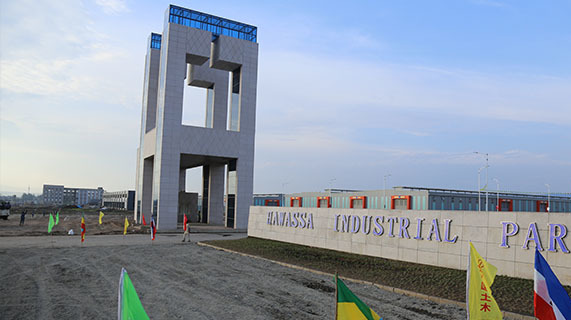
The local economy blends traditional activities such as fishing, smallholder farming and market trade with expanding manufacturing and service sectors. Fisheries on Lake Awasa supply local markets and contribute to urban livelihoods. In recent years industrial parks and light manufacturing have been promoted to diversify employment. The city is connected to the national road network and lies along a route that forms part of the north–south trans-African corridor; public buses and a regional airport link Awasa with other Ethiopian cities.
Education and research
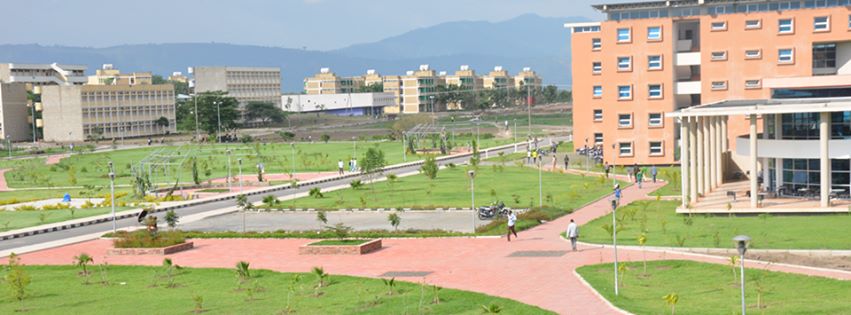
Hawassa University, established in 1999, is a principal educational institution in the city and attracts students from across the region. The university supports programmes in agriculture, natural sciences, social sciences and health, and plays a role in applied research related to regional development, fisheries and environmental management.
Environment and wildlife
Lake Awasa and its adjacent wetlands provide habitat for a variety of waterbirds, aquatic life and wetland plants. Birdwatching is a frequent activity for visitors and residents, as reedbeds and shoreline shallows attract species typical of Ethiopian Rift Valley lakes. Environmental concerns include sustainable management of fisheries, water quality and pressures from urban expansion.
Attractions and urban life
Visitors to Awasa are often drawn to lakeside promenades, a lively fish market, boat trips on the lake and nearby natural areas for bird observation. Cafés, markets and cultural events showcase local cuisine and arts. As a regional capital the city also contains government offices, educational facilities and health services that serve a broader hinterland.
Challenges and development prospects
Like many growing regional cities, Awasa faces planning challenges: balancing urban expansion with conservation of the lake and wetlands, providing services for a growing population, and encouraging inclusive economic growth. Ongoing investments in infrastructure, education and industry aim to strengthen the city’s role as a commercial and administrative centre while seeking to manage environmental impacts.
- Key features: lakeside location, birdlife, markets and regional administration
- Major institutions: Hawassa University and regional government offices
- Economic sectors: fisheries, agriculture, manufacturing, services and education
Population development
The following overview shows the population figures according to the respective area status since the 1984 census.
| Year | Inhabitants |
| 1984 | 36.169 |
| 1994 | 69.169 |
| 2007 | 157.139 |
| 2015 | 318.618 |
Image Gallery
· 
View over the outskirts of Awassa and the lake Awasa
· 
The church St. Gabriel is one of the most famous sights in Awassa
· 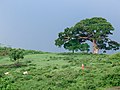
A woman and her cattle on the top of the biggest hill near Awassa
Related articles
Author
AlegsaOnline.com Awasa (Hawassa) — City on Lake Awasa, Ethiopia Leandro Alegsa
URL: https://en.alegsaonline.com/art/7816