
Some Like It Hot (1959 film)
1959 American comedy directed by Billy Wilder, starring Marilyn Monroe, Tony Curtis and Jack Lemmon. A Prohibition-era farce about two musicians who disguise themselves to escape gangsters; acclaimed and culturally influential.
Overview
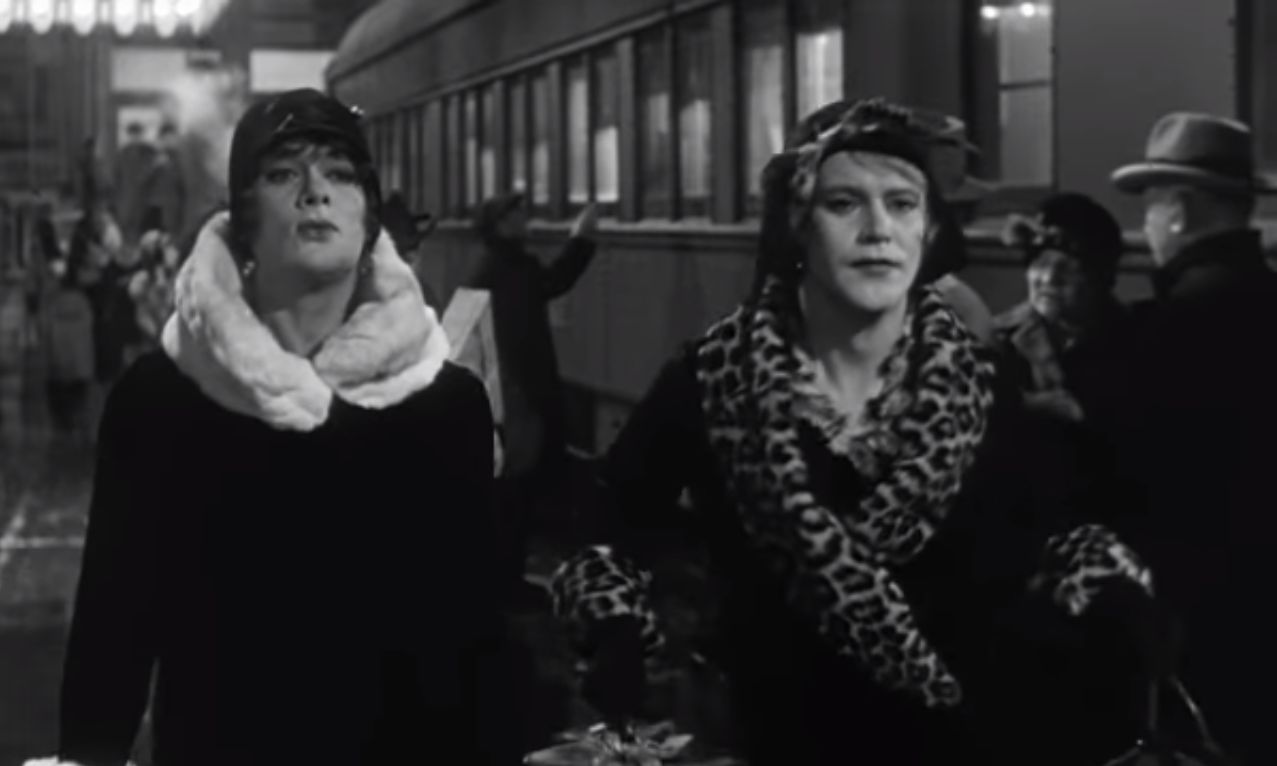
Some Like It Hot is a 1959 American feature comedy film directed by Billy Wilder. Set during the late 1920s, it follows two struggling musicians who witness a gangland killing and flee Chicago by joining an all-female orchestra while disguised as women. The premise mixes fast-paced farce with romantic complications and period music.
The principal cast includes Marilyn Monroe, Tony Curtis and Jack Lemmon, supported by Pat O'Brien and George Raft. Performances and direction emphasize timing, visual comedy and the contrast between public persona and private identity.
Image gallery
6 Images



Plot and themes
Two male musicians, threatened by mob violence, adopt female identities to hide in an all-women band. Their disguises generate mistaken attractions, jealousies and moral dilemmas. Beneath the jokes, the film explores themes of gender performance, social roles and the freedom (and constraints) of reinvention during a turbulent era.
Production and versions
The screenplay was influenced by earlier continental comedies and is sometimes compared to the 1951 German picture Fanfaren der Liebe. Its structure allows musical numbers to punctuate the action, and it has been adapted for the stage on several occasions, notably in productions mounted in 1972 and 2002 as musical comedies stage adaptations.
- Main cast highlights: Jack Lemmon, Tony Curtis, Marilyn Monroe, Pat O'Brien, George Raft
- Historical setting: 1929, Prohibition-era United States period
Reception and legacy
The film received widespread praise for its wit, performances and direction, and it has remained a frequent subject of study in film and gender studies. It topped the American Film Institute's list of funniest American films AFI 100 Years...100 Laughs and ranks prominently on AFI's list of top American movies AFI 100 Years...100 Movies. The movie has also been selected for preservation in the U.S. National Film Registry as culturally significant.
Its blend of screwball comic devices, romantic entanglement and social commentary has kept Some Like It Hot influential for filmmakers and theater makers, and it continues to be revived and discussed for its daring approach to comedy and identity.
Related articles
Author
AlegsaOnline.com Some Like It Hot (1959 film) Leandro Alegsa
URL: https://en.alegsaonline.com/art/91744