
Tony Curtis
American film actor (1925–2010), born Bernard Schwartz; known for comic and dramatic roles in Some Like It Hot and The Defiant Ones, and for a long Hollywood career spanning film and television.
Born Bernard Schwartz in New York City on June 3, 1925, Tony Curtis became one of Hollywood's best-known screen personalities of the 1950s and early 1960s. He established himself as a versatile movie actor with an easy charm that suited both light comedies and tougher dramatic work. Curtis's most enduring comic performance is as one of the musicians who disguise themselves to escape gangsters in Billy Wilder's classic Some Like It Hot (1959). He was also widely praised for more serious parts, notably his role opposite Sidney Poitier in The Defiant Ones (1958), which brought him major critical attention and an Academy Award nomination.
After military service during World War II, Curtis adopted a stage name and began working steadily in films from the late 1940s onward. Over a long career he appeared in more than a hundred movies and made frequent television appearances, moving easily between genres. He became known for his comic timing in buoyant fare as well as for taking weightier dramatic roles that demonstrated emotional range. Commentators often contrast his breezy, handsome leading-man image with the grit of parts in social dramas and film noir.
Image gallery
5 Images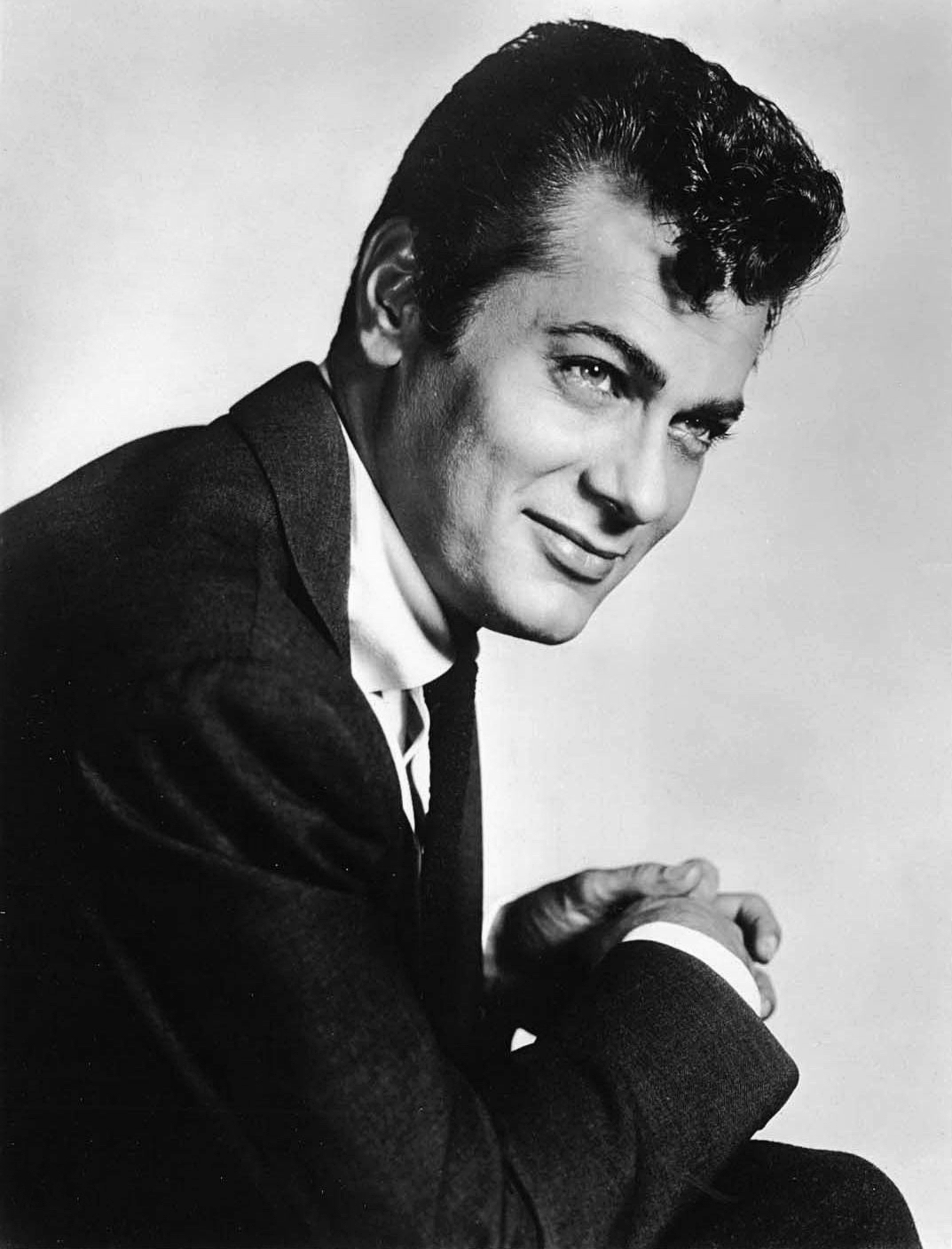


Notable roles and screen presence
Curtis's screen persona combined physical presence, rapid-fire delivery and a capacity for understatement that served both comedy and drama. He was admired for lighter, flirtatious performances and for occasional turns that revealed a harder edge. In reviews and histories of mid‑20th‑century American cinema, his work in comedies and his dramatic outing in The Defiant Ones are frequently cited as representative of his range. He could be cast as a romantic lead, a cheeky rogue or a man tested by moral conflict.
- Some Like It Hot — cemented his reputation in comedy; the film remains widely discussed and anthologized; see the classic comic performance in Some Like It Hot.
- The Defiant Ones — a dramatic milestone that led to recognition including an Academy Award nomination and broader critical notice for his dramatic abilities.
- Many other films and television appearances that illustrate his adaptability across entertainment forms and decades; reviewers point to both his dramatic strengths and his comic gifts when assessing his work.
Off screen, Curtis led a public life that included multiple marriages and a prominent place in Hollywood society. He was the father of actresses Jamie Lee Curtis and Kelly Curtis, which linked him to subsequent generations of performers. In later years he pursued other creative interests, including painting, and participated in retrospectives and interviews that reflected on his long career.
Today Tony Curtis is remembered as a mid‑20th‑century star who balanced commercial appeal with occasional artistic risks. His career illustrates how a single performer could move between popular comedies and more serious studio pictures, leaving a body of work that continues to be studied in film histories and enjoyed by audiences.
Questions and answers
Q: Who was Tony Curtis?
A: Tony Curtis was an American movie actor.
Q: When was Tony Curtis born?
A: Tony Curtis was born on June 3, 1925.
Q: When did Tony Curtis pass away?
A: Tony Curtis passed away on September 29, 2010.
Q: What genre of movies was Tony Curtis most famous for?
A: Tony Curtis was most famous for his light comic roles in movies.
Q: What is Tony Curtis famous for in particular?
A: Tony Curtis is famous for his role as a musician who escapes from gangsters in the movie Some Like It Hot.
Q: How many movies did Tony Curtis appear in?
A: Tony Curtis appeared in over 100 movies since 1949.
Q: Who were Tony Curtis' children?
A: Tony Curtis' children were actresses Jamie Lee Curtis and Kelly Curtis.
Author
AlegsaOnline.com Tony Curtis Leandro Alegsa
URL: https://en.alegsaonline.com/art/132180