
Somaliland: self-declared republic in the Horn of Africa
Somaliland is a self-governing territory that administers the former British Somaliland. It declared independence in 1991, has its own institutions and capital Hargeisa, but lacks widespread international recognition.
Somaliland is a self-governing territory on the southern shore of the Gulf of Aden in the Horn of Africa that administers the area of the former British protectorate known as British Somaliland. It proclaims itself the Republic of Somaliland and maintains separate institutions, a constitution, security forces and a local currency. The largest city and administrative capital is Hargeisa; the port city of Berbera is a principal maritime gateway for the territory and the wider region.
Image gallery
10 Images




Geography and population
Somaliland shares land borders with Djibouti to the northwest, the Federal Republic of Ethiopia to the south and the rest of Somalia to the east. The territory includes coastal plains, interior plateaus and arid highlands. The population is overwhelmingly ethnic Somali; a significant portion of inhabitants practice pastoralism and seasonal nomadic livelihoods, while urban centres concentrate trade, services and administration. The principal languages in everyday use include Somali and Arabic; see Somali and Arabic references for linguistic context.
Historical background
The territory was administered by Britain as the British Somaliland Protectorate until June 1960. It briefly gained independence in June 1960 and then joined with the former Italian trusteeship to form the Somali Republic. Following the collapse of central authority in Somalia and subsequent civil war, local political leaders and elders re-established administration in the territory and in May 1991 declared the restoration of Somaliland’s sovereignty. For background on the colonial era and the 1991 declaration see entries on British Somaliland and the events of 1991.
Politics, governance and law
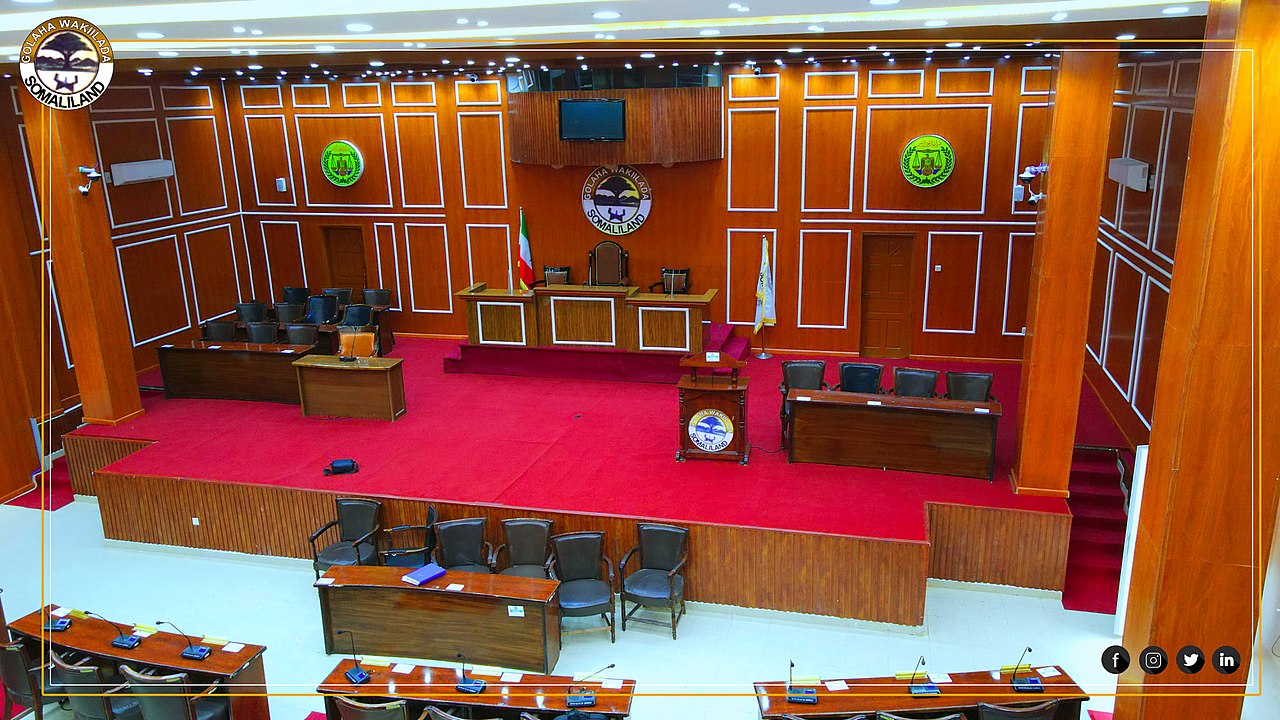
Somaliland operates under a written constitution and a system that blends modern institutions with customary clan-based arrangements. It holds elections at various levels, and local processes of reconciliation and customary law (xeer) play a prominent role in dispute resolution. The territory issues its own travel documents and customs controls, and manages internal security through local forces.
Economy and infrastructure
The economy is driven by livestock exports, remittances from diaspora communities, cross-border trade and services. The port of Berbera has strategic importance for maritime trade and for landlocked neighbours seeking sea access; infrastructure upgrades and commercial agreements have been pursued to expand capacity and links. Small-scale agriculture, transport services and urban commerce contribute to livelihoods.
Society, religion and culture
The majority of the population adheres to Sunni Islam, and Sufi orders and practices remain visible in social and cultural life; see general notes on Sufi traditions. Clan identity and customary institutions shape politics, land tenure and social support systems. Urbanisation and return migration from the diaspora influence education, media and cultural expression.
Territorial disputes and regional relations
Certain eastern districts—often described as Sool, Sanaag and Ayn—have been contested by competing administrations and local movements. Entities such as Khatumo State and the administration of Puntland have at times claimed authority in parts of these areas, producing intermittent tensions and negotiated settlements at the local level. Relations with neighbouring states focus on security, trade and migration issues.
International status and challenges
Somaliland seeks international recognition as an independent state, but most countries and international organisations continue to recognise Somalia’s territorial integrity and therefore do not grant full diplomatic recognition. Despite that, Somaliland engages in practical bilateral arrangements and hosts international commercial and development initiatives. Key challenges include unresolved recognition, economic diversification, access to formal international finance, service delivery, and dispute resolution in contested areas.
Further reading and reference points
- Historical continuity with the pre-1960 protectorate and the brief 1960 independence.
- Locally organised peace-building and customary reconciliation mechanisms.
- Ongoing political efforts to hold elections and manage clan-based representation.
For specific linguistic, historical and regional entries consult the linked references for Somali, Arabic, British Somaliland, neighbouring states such as Djibouti and Ethiopia, and related Somali territories and administrations including Somalia, Puntland, Khatumo State and discussions of the 1991 restoration (1991).
Related articles
Author
AlegsaOnline.com Somaliland: self-declared republic in the Horn of Africa Leandro Alegsa
URL: https://en.alegsaonline.com/art/91733
Sources
- somalilandlaw.com : The Constitution of the Republic of Somaliland
- somalilandlaw.com : Somaliland Official Gazette
- nytimes.com : "The Signs Say Somaliland, but the World Says Somalia"
- somalilandtimes.net : The UK Prime Minister's Office Reply To The "Somaliland E-Petition"
- somalilandgov.com : "Somaliland Official Website"
- chr.up.ac.za : "THE CONSTITUTION OF THE REPUBLIC OF SOMALILAND"
- state.gov : "Background Note: Somalia"