
Khatumo State (self‑declared administration in Somalia)
Khatumo State is a self‑declared, unrecognized administration formed in 2012 by Dhulbahante clan leaders to govern parts of northern Somalia (Sool, Sanaag and Cayn). Its territory is disputed by Somaliland and Puntland.
Overview
Khatumo State is a self‑declared regional administration in northern Somalia that first emerged publicly in 2012. It was proclaimed by traditional leaders and political figures from the Dhulbahante clan to assert local administration over the territories commonly called Sool, Sanaag and Cayn (often abbreviated SSC). Khatumo is not a member of the Federal Republic of Somalia with international recognition; its status remains contested among local administrations and the federal authorities.
Image gallery
4 Images


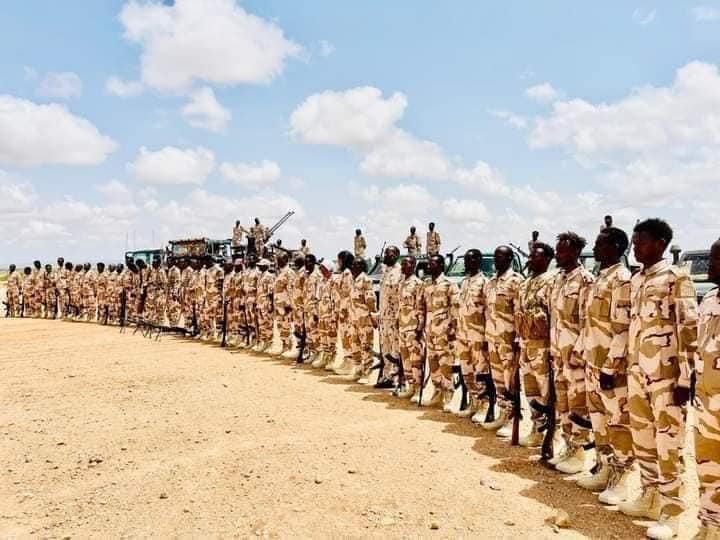
Territory and administration
The area Khatumo claims lies between the administrations that call themselves Somaliland and Puntland. Major towns cited in discussions about Khatumo include Las Anod, Buuhoodle and other district centres in Sool, Sanaag and Cayn. Local governance structures invoked customary elders, district administrations and a range of political committees rather than a single, widely recognized institutional framework. The name "Khatumo" conveys the idea of agreement, reflecting its founders’ emphasis on clan consensus.
History and origins
The movement that led to Khatumo draws on a longer history of local organising after the collapse of Somalia’s central government in 1991. Various small administrations and movements have arisen in the region at different times; some local actors have used earlier labels such as NSUM (National Somali Unionist Movement) or alternatives like Northland State in attempts to coordinate administration. In 2012, a more organised proclamation by Dhulbahante elders and politicians sought to present a unified local authority for the SSC areas.
Politics, relations and conflict
Khatumo’s emergence intensified competition for authority in northern Somalia. Both Somaliland and Puntland claim jurisdiction over parts of the same territory, which has led to intermittent clashes, shifting control of towns and repeated negotiation efforts. Khatumo leaders have at times pursued dialogue with the federal government, Puntland and Somaliland. Outcomes have varied: some local agreements and ceasefires were reached, while periods of armed tension have recurred.
Society and economy
The population of the claimed area is largely pastoralist and agropastoralist, with livelihoods based on livestock, small‑scale trade and remittances from diaspora communities. Clan identity and customary law (xeer) remain central to local governance and dispute resolution. Delivering public services such as health, education and infrastructure has been constrained by insecurity and the lack of stable, widely recognised institutions.
Challenges and notable facts
- Khatumo lacks international and broad domestic recognition as a federal member state, which limits its access to formal aid and institutional support.
- Territorial control in Sool, Sanaag and Cayn has been fluid, with local loyalties and administrative authority shifting over time.
- The movement illustrates how clan politics, post‑state fragmentation and competing regional projects (such as those of Somaliland and Puntland) shape attempts to create new sub‑national authorities in Somalia.
Related articles
Author
AlegsaOnline.com Khatumo State (self‑declared administration in Somalia) Leandro Alegsa
URL: https://en.alegsaonline.com/art/53216
Sources
- cia.gov : "Somalia"