
Solly Hemus: American MLB infielder, player-manager and coach
Overview of Solomon 'Solly' Hemus (1923–2017), an American Major League Baseball infielder who became a player-manager and later coach, primarily associated with the St. Louis Cardinals and briefly the Philadelphia Phillies.
Overview
Solomon Joseph "Solly" Hemus (April 17, 1923 – October 2, 2017) was an American professional baseball player, manager and coach who spent the majority of his career in Major League Baseball. Born in Phoenix, Arizona, Hemus is best remembered as a long-time infielder for the St. Louis Cardinals, a brief stint with the Philadelphia Phillies, and for serving in a rare player-manager role during his era. He died in Houston, Texas at age 94.
Image gallery
2 Images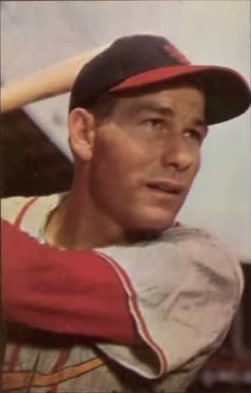

Playing career and on-field traits
Hemus made his mark as an infielder, known for his steady glove and competitive temperament. As an everyday member of the infield he played multiple positions and provided leadership on the field. He was regarded as a hard-nosed, right-handed player who brought intensity to routine plays and clubhouse competition. His playing career established him as a familiar presence in the National League throughout the 1940s and 1950s.
Managerial and coaching roles
After establishing himself as a player, Hemus moved into leadership positions. He became one of the relatively small number of major leaguers to serve as a player-manager, taking on both on-field and strategic responsibilities. Following his time managing while still an active player, he continued in managerial and coaching capacities, working with younger players and contributing to team strategy. Hemus also spent part of his later career teaching and scouting for professional clubs.
Notable aspects and controversies
Hemus was known for his managerial ambition and direct style. Contemporary accounts and later recollections describe a manager who demanded discipline and who sometimes clashed with players. Some retrospective commentary has discussed tensions within teams he led, including debates about leadership style and clubhouse relations. Writers and historians have examined his tenure when discussing the cultural and racial integration of baseball in the mid-20th century, and how managerial attitudes affected clubhouse dynamics.
Legacy and significance
While Hemus did not become a household name like some Hall of Famers, his career is notable for spanning player, player-manager, and coaching roles during a transitional period in major league history. His time with the St. Louis Cardinals remains the most prominent chapter of his baseball life, and his short time with the Philadelphia Phillies adds to the geographic and organizational footprint of his career. Hemus's example illustrates the fading era of player-managers and the evolving responsibilities of baseball leadership.
Key roles and associations
- Infielder — primary playing position
- Manager — served as player-manager and later manager
- Coach — worked in coaching and scouting roles after playing
- Associated teams: St. Louis Cardinals, Philadelphia Phillies
For readers interested in the broader context of baseball roles like those Hemus filled, see general histories and team archives that discuss the transition from player-managers to full-time managerial staffs in the postwar era. Hemus's career offers a window into the changing game, organizational leadership, and the human dynamics of professional sports during the mid-20th century.
Additional resources: profiles, team histories, and oral histories detail his seasons, decisions as a manager, and reflections from teammates. For organizational context, consult team and league retrospectives on managerial trends and clubhouse culture.
Related articles
Author
AlegsaOnline.com Solly Hemus: American MLB infielder, player-manager and coach Leandro Alegsa
URL: https://en.alegsaonline.com/art/91691
Sources
- baseball-reference.com : Career Playing and Managing Statistics and History
- baseball-reference.com : Baseball-Reference.com
- worldcat.org : Stranger to the Game