
Phoenix, Arizona — Overview, Geography, History, and Culture
Phoenix, capital of Arizona, is a large desert metropolis in the Salt River Valley known for rapid growth, hot climate, diverse economy, and cultural institutions in the American Southwest.
Overview
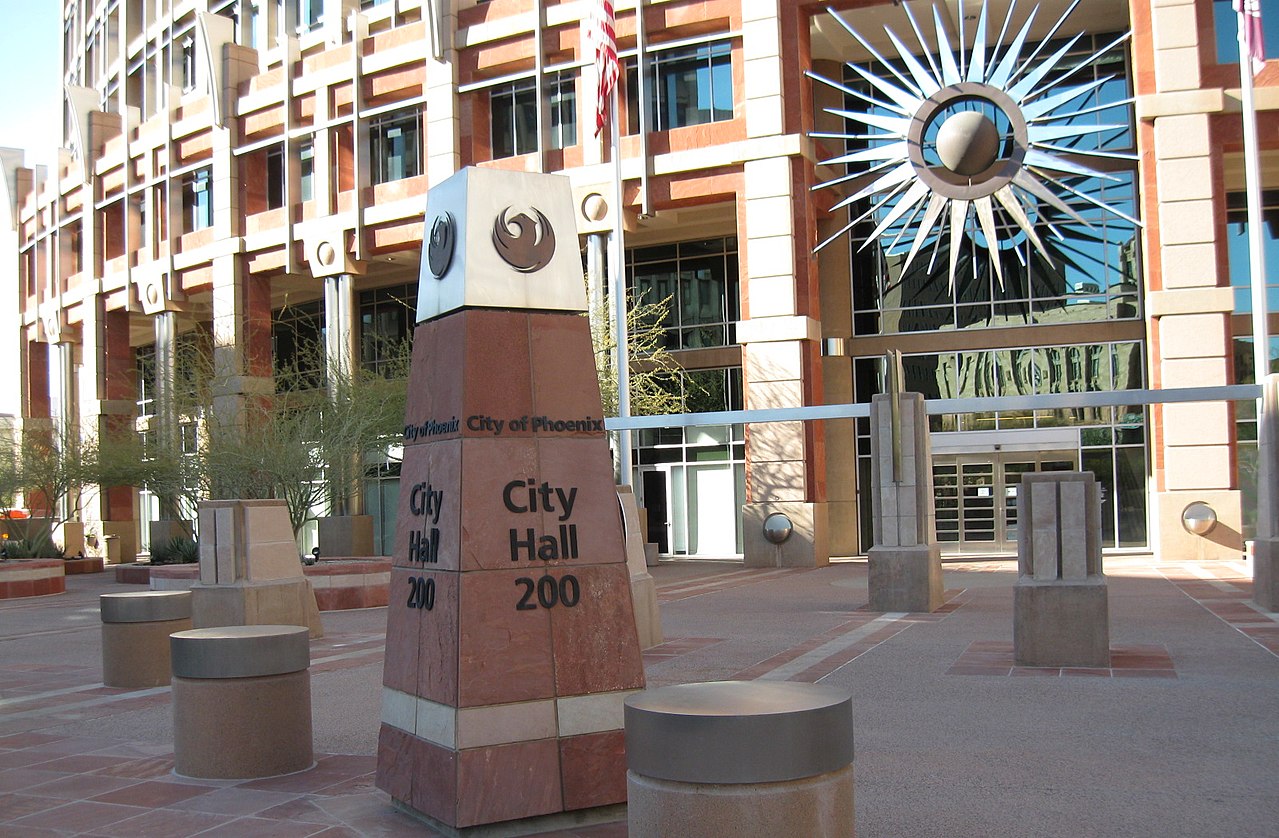
Phoenix is the capital city of the U.S. state of Arizona and serves as the county seat of Maricopa County. It sits in the broad Salt River Valley, a region commonly called the "Valley of the Sun," and is noted for its arid environment and extensive suburban development. Incorporated in the late 19th century, Phoenix grew from an irrigated agricultural community into a major metropolitan center. Residents are often referred to as Phoenicians.
Image gallery
10 Images




Geography and climate
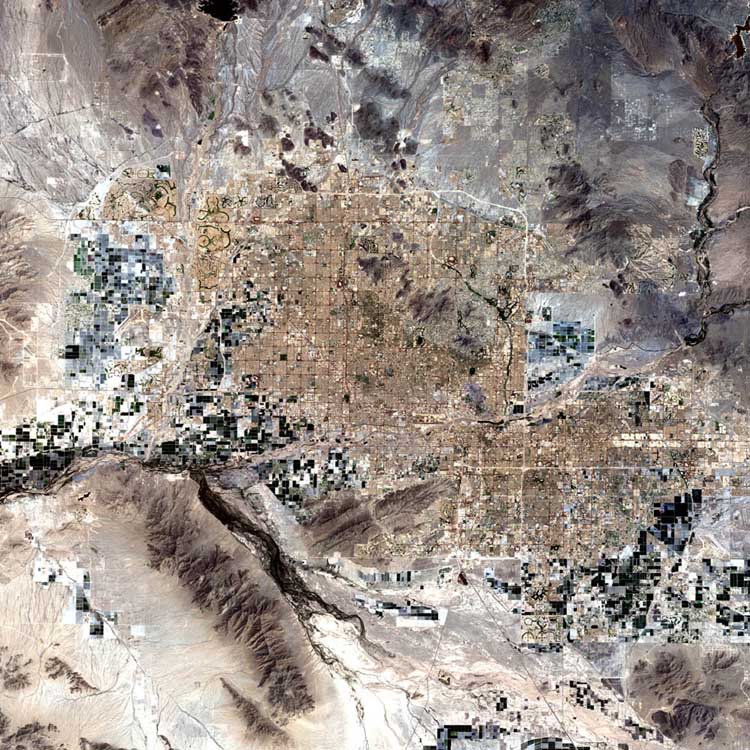
Phoenix occupies a large area of the Sonoran Desert along the normally dry Salt River. The city is characterized by flat basins, surrounding mountain ranges, and a desert landscape of creosote, cacti and palo verde trees. The climate is a hot desert type with very hot summers, mild winters, and limited annual precipitation. These conditions shape local architecture, water management, landscaping, and outdoor lifestyles.
History and development
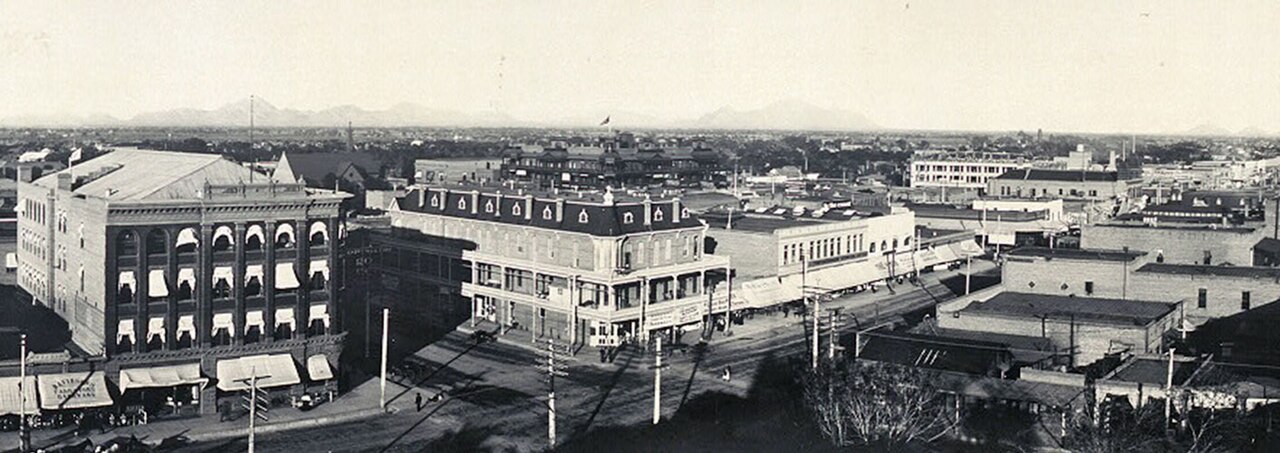
European-American settlement in the Salt River Valley began in the 19th century, driven by irrigation projects that made agriculture viable in an arid area. Phoenix was officially incorporated in 1881 and expanded rapidly during the 20th century with railroads, air travel, and defense- and service-related industries. Post‑World War II growth led to extensive suburbanization and the development of a broader metropolitan region.
Economy, culture, and attractions
Phoenix hosts a diverse economy that includes finance, technology, manufacturing, health care and tourism. Cultural institutions range from museums and theaters to professional sports teams and annual festivals. Notable attractions include desert parks and preserves, arts districts, and sites that interpret Native American history and the pioneer era.
- Major cultural venues and museums
- Outdoor recreation such as hiking and golf
- Seasonal events and culinary scenes reflecting Southwestern influences
Government, transportation, and population
As the state capital, Phoenix houses key state government offices and courts. The metropolitan area has grown into one of the largest population centers in the United States, with several million residents living across the city and surrounding suburbs. Transportation infrastructure includes a network of freeways, regional bus and light rail services, and a major international airport that links the city to national and international destinations.
Notable facts and distinctions
Phoenix is distinguished as one of the larger state capitals in the country and is unique among capitals for its combination of metropolitan scale and desert environment. Its rapid expansion over the last century has made it a focal point for discussions about urban water use, heat mitigation, sustainable growth and desert adaptation. The city is sometimes described as the largest state capital in the United States by population, a reflection of its prominent role in the region.
For further information, see local government resources and regional overviews that address planning, climate adaptation, and cultural initiatives across the Valley of the Sun.
Questions and answers
Q: What is the capital of Arizona?
A: Phoenix is the capital of Arizona.
Q: What county is Phoenix located in?
A: Phoenix is located in Maricopa County.
Q: How many people live in Phoenix?
A: As of 2005, there were about 1,475,834 people living in Phoenix.
Q: How large is the city area-wise?
A: The city has an area of 515 square miles, making it the 10th largest city by area.
Q: When did Phoenix become a city?
A: Phoenix became a city on February 25, 1881.
Q: What are people who live in Phoenix known as?
A: People who live in Phoenix are known as Phoenicians.
Q:What was the population according to 2000 census ?
A:According to 2000 census ,Phoenix had the fifth-largest population among cities in United States with around 1 million people .
Related articles
Author
AlegsaOnline.com Phoenix, Arizona — Overview, Geography, History, and Culture Leandro Alegsa
URL: https://en.alegsaonline.com/art/76536
Sources
- phoenix.gov : phoenix.gov
- census.gov : "Population Estimates for the 25 Largest U.S. Cities based on July 1, 2006 Population Estimates"
- census.gov : "Annual Estimates of the Population for Incorporated Places in Arizona"
- phoenix.gov : Out of the Ashes, Early Life along the Salt River
- phoenix.gov : City of Phoenix
- census.gov : "US Gazetteer files: 2000 and 1990"
- azstarnet.com : Arizona does not need daylight saving time
- azstarnet.com : Arizona Daily Star
- wrh.noaa.gov : "Climatology of heat in the southwest"
- lwf.ncdc.noaa.gov : Mean Number of Days With Minimum Temperature 32 °F (0 °C) or Less
- phoenix.gov : Village Planning Committees