
Baseball coach — roles, responsibilities, and common positions
Overview of the coaching staff in baseball: typical positions (first/third base, pitching, hitting, bench, bullpen), duties, development of roles, and how staffs differ across levels of play.
Overview
In baseball, a team’s on-field leadership is provided by the manager and a group of coaches who assist in preparing players, making in-game decisions, and carrying out strategic plans. The manager sets the lineup and makes final decisions about substitutions; coaches handle specialized tasks and provide real-time guidance to players during practices and games. Coaching staffs range from a handful of assistants at amateur levels to large, multi-disciplinary teams in professional organizations.
Image gallery
5 Images


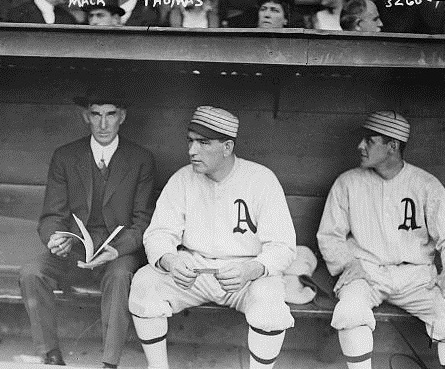
Common coaching positions and duties
Each coach typically has a focused area of responsibility. Common roles include:
- First base coach: directs runners rounding first base, communicates signals, and advises on stealing and plays.
- Third base coach: acts as the primary in-play communicator, deciding whether runners should attempt to score or hold at third.
- Hitting coach: works on swing mechanics, approach to at-bats, and game preparation for batters.
- Pitching coach: manages the pitching staff’s development, strategy, and in-game adjustments for starters and relievers.
- Bullpen coach: oversees relief pitchers, warming routines, and readiness when a reliever is called into the game.
- Bench coach: serves as the manager’s principal assistant, advising on strategy and often acting as the manager’s substitute on the bench.
- Specialty coaches: roles such as catching coach, infield/outfield coach, base-running instructor, and strength and conditioning coach address specific skills and fitness.
How coaches work with the manager
The manager retains overall authority over game decisions, while coaches execute the manager’s plan and deliver detailed, position-specific instruction. The bench coach often acts as a sounding board and helps coordinate strategy, substitutions, and communication between the dugout and the coaching staff. Coaches frequently relay signals, position players during defensive alignments, and adjust tactics to exploit opponent tendencies.
Development and modern trends
Historically, teams had smaller staffs and many coaches were former players who taught fundamentals. Over time, staffs expanded to include specialists in hitting mechanics, pitching analytics, video review, and sports science. The integration of video and data analytics has altered preparation and in-game decision-making, leading to roles devoted to scouting, video analysis, and performance metrics alongside traditional coaching jobs.
Variation by level and notable distinctions
At the major league level, coaching staffs are typically larger and more specialized than in college or youth baseball. Professional coaches commonly wear team uniforms and work year-round with developmental programs, while amateur coaches may be part-time volunteers. Another notable feature is that coaches may be substituted or ejected by umpires for disputes, similar to managers and players, underscoring their active role in a game’s conduct.
Importance and examples
Coaches influence player development, game strategy, and team culture. A pitching coach’s management of workloads can affect a season’s health and performance; a hitting coach’s adjustments can revive a batter’s effectiveness. In many organizations, success depends on clear communication among the manager, the coaching staff, and analytics personnel to translate scouting and data into practical instruction on the field.
For more context on responsibilities and historical changes in team staffs, consult resources on the role of the manager and how coaching models vary across levels of play.
Questions and answers
Q: What is the role of coaches in baseball?
A: Coaches in baseball help make a team work properly.
Q: Who do coaches assist?
A: Coaches are assistants to the manager.
Q: What is the job of the manager in baseball?
A: The manager determines the lineup and decides how to substitute players during the game.
Q: How many coaches may assist the manager in running the team?
A: More than a half dozen coaches may assist the manager.
Q: What are some common coaching positions in baseball?
A: Some common coaching positions in baseball include first base coach, third base coach, hitting coach, pitching coach, bench coach, and bullpen coach.
Q: What is the role of the first base coach?
A: The first base coach is responsible for coaching and signaling base runners.
Q: What is the role of the pitching coach?
A: The pitching coach is responsible for working with the team's pitchers to improve their throwing technique and strategy.
Related articles
Author
AlegsaOnline.com Baseball coach — roles, responsibilities, and common positions Leandro Alegsa
URL: https://en.alegsaonline.com/art/21204