
Smart grid — modernization of electrical systems with communications and control
Smart grid uses sensors, communications and control to make the electrical system more efficient, reliable and able to integrate distributed energy and demand response.
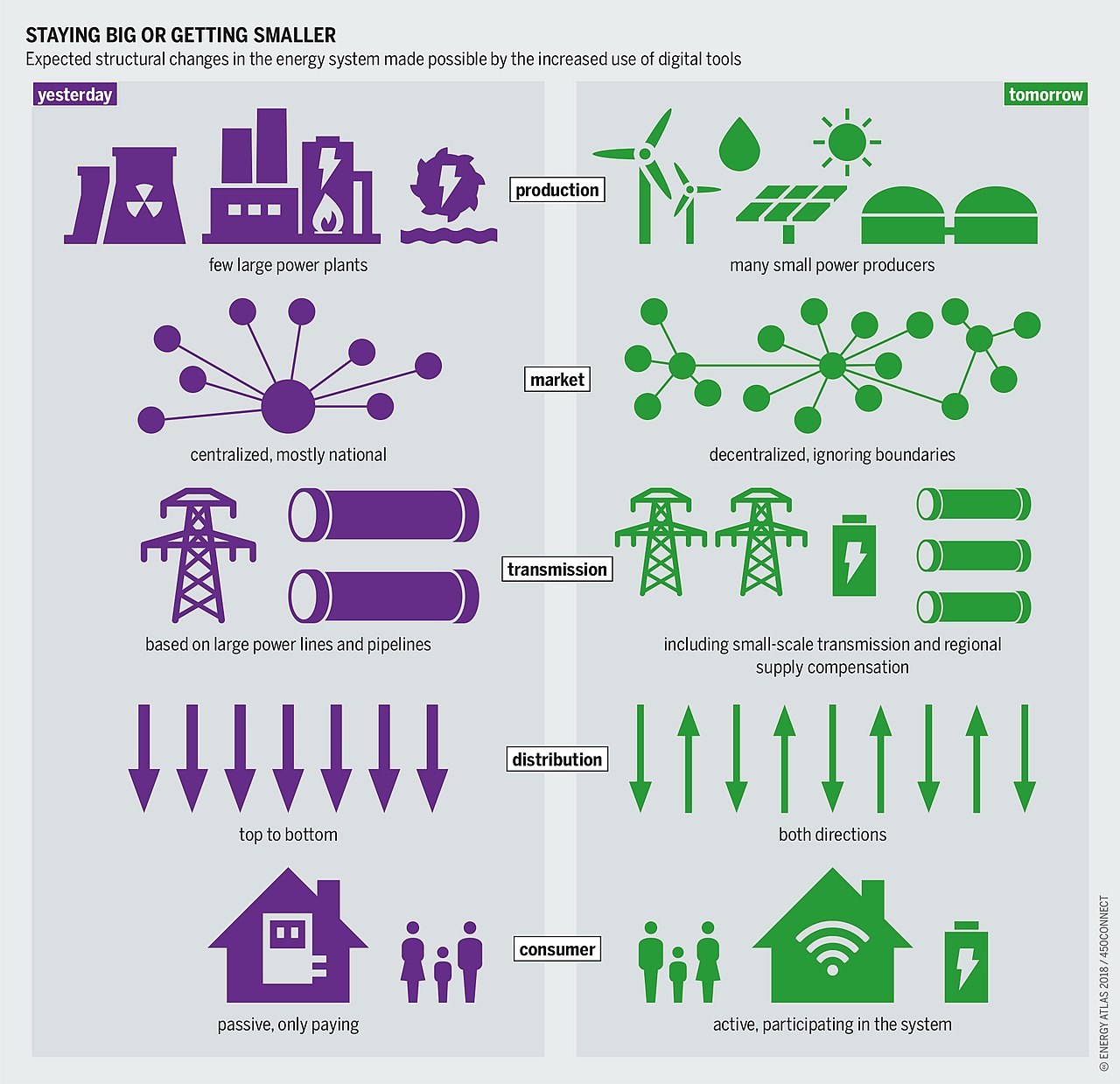
The smart grid is a modernization of the traditional electrical grid that layers digital monitoring, control and analytics on top of power generation and delivery. It relies on two-way communication links and information technology to measure conditions across the network, detect faults, coordinate resources and respond in near real time. Rather than a one-way flow from large plants to consumers, a smart grid enables bidirectional flows that change how energy is produced, distributed and consumed, and it manages the flow of electricity to match needs and supply.
Image gallery
7 Images



Core components and functions
Key elements include advanced metering and sensors, communications networks, distribution automation, control centers and software for analytics and energy management. Smart meters provide detailed consumption data; sensors and phasor measurement units monitor voltage and frequency; and distribution automation devices can isolate faults and restore service faster. Integration software coordinates distributed energy resources and supports demand response and voltage regulation.
Benefits and practical uses
The smart grid aims to improve operational efficiency, increase reliability and reduce outage durations through faster fault detection and automated switching. It enables time‑of‑use pricing, remote meter reading, dynamic load control, smoother integration of wind and solar, management of electric vehicle charging, and the operation of microgrids. Utilities and customers can use the same data to optimize consumption, shift loads, and lower peak demand.
History and development
Development began as digital communications and computing were applied to power systems in the late twentieth and early twenty‑first centuries. Pilot projects, standards development and regulatory initiatives have guided broader deployment. Over time the focus expanded from automated control and remote sensing to full system integration, cybersecurity, and interoperability across vendors and jurisdictions.
Challenges and notable distinctions
Unlike legacy networks, smart grids support decentralized generation, two‑way energy flows and fine‑grained telemetry. This flexibility brings challenges: protecting data privacy, defending against cyberattacks, ensuring standards compatibility, and managing more complex operations. Regulatory frameworks and technology standards aim to address these issues while enabling innovation such as peer‑to‑peer trading and resilient microgrids.
Examples and outlook
Common deployments include smart meters, automated fault isolation systems, distributed energy resource management platforms, and coordinated EV charging solutions. As renewables and storage grow, the smart grid’s role in balancing variable supply and enabling customer participation becomes more central. Continued upgrades in communications, control software and standards are expected to shape the next phase of power system modernization.
Related articles
Author
AlegsaOnline.com Smart grid — modernization of electrical systems with communications and control Leandro Alegsa
URL: https://en.alegsaonline.com/art/91195