
Smartwatch (wearable computerized wristwatch)
A smartwatch is a wrist-worn computing device that extends a watch with sensors, connectivity, apps and health features, acting as a companion to phones or a standalone wearable computer.
A smartwatch is a wrist-worn device that combines timekeeping with computing functions and wireless connectivity. Unlike traditional watches, smartwatches present notifications, run small applications, and gather sensor data about the wearer and their environment. Many models pair with a smartphone for extended capabilities, while some offer standalone cellular, GPS and media playback features. Over time the category has expanded from niche gadgetry to mainstream consumer electronics used for communication, fitness tracking and quick-access information.
Image gallery
10 Images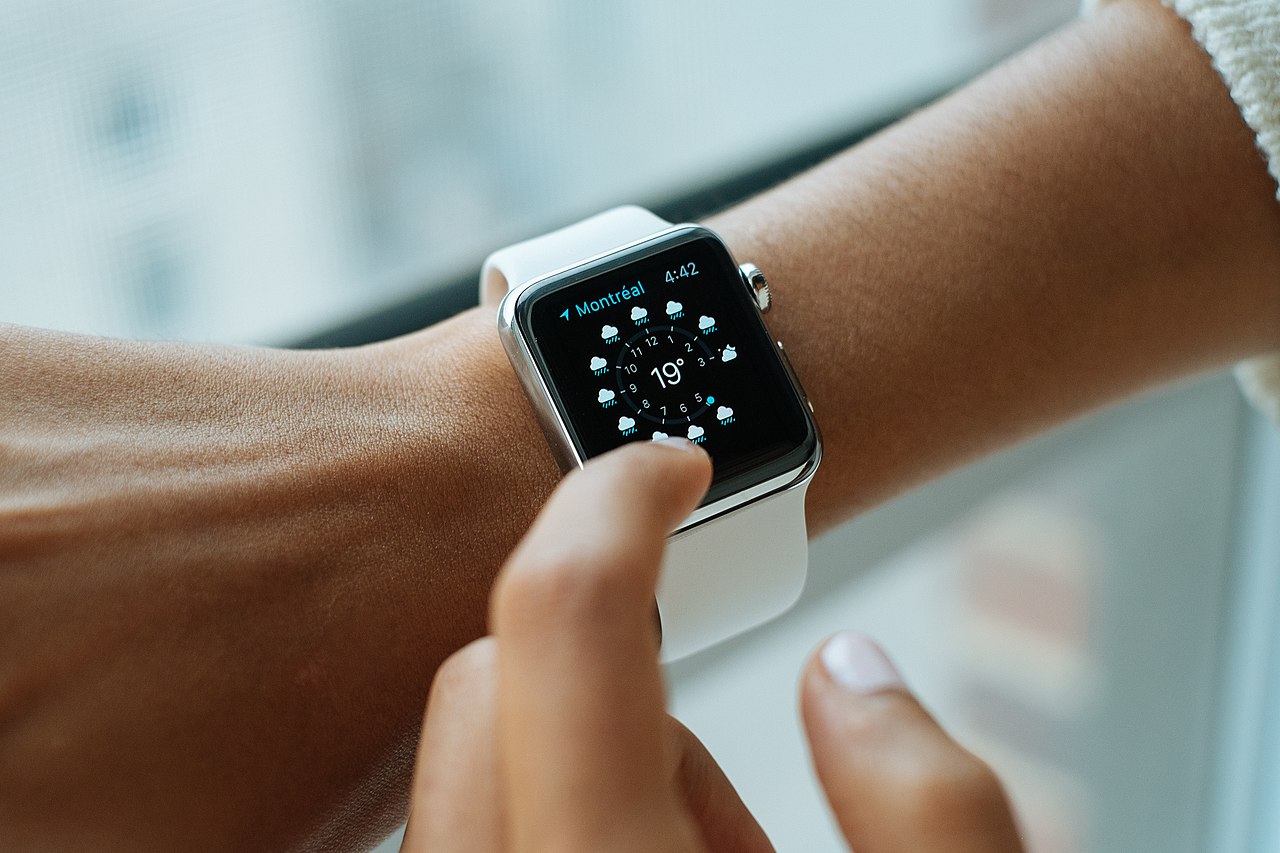


Core characteristics and components
Modern smartwatches typically include a touchscreen display, a rechargeable battery, a microprocessor, and multiple sensors. Common sensors are optical heart-rate monitors, accelerometers, gyroscopes, ambient light sensors, barometers and increasingly pulse oximeters and electrocardiogram (ECG) contacts. Connectivity options often include Bluetooth, Wi‑Fi and optional cellular (LTE) radios. The software stack can be a dedicated real-time firmware or a mobile-derived operating system that supports third-party apps and cloud sync.
Typical functions and uses
- Notifications and communication: incoming call and message alerts, quick replies, and in some models voice calls without a phone.
- Health and fitness: continuous heart-rate monitoring, step counting, sleep tracking, workout modes and estimates of calories burned; advanced units offer ECG, blood oxygen (SpO2) readings and stress indicators.
- Navigation and location: turn-by-turn directions, route tracking and location sharing via GPS.
- Payments and access: contactless payments, digital keys and transit passes.
- Media and utilities: music control or playback, alarms, timers, and small productivity apps.
History and development
Wrist-worn computing dates back to early calculator watches and digital timepieces with extra functions such as translations, games and simple calculators. Through the 2000s wearable miniaturization and mobile phone integration accelerated the category. By the 2010s manufacturers began releasing models running mobile-style operating systems, enabling app ecosystems and richer touch-based interfaces. These developments transformed many devices into compact wearable computers rather than simple augmented watches.
Design, compatibility and limitations
Design trends vary from sporty to fashion-forward to minimalist. Strap interchangeability, water resistance and display type (LCD, OLED) are important choices for consumers. Deep integration with a particular smartphone platform can yield smooth experiences but may limit cross-platform compatibility. Battery life remains a trade-off: feature-rich models often require daily charging, while simpler or hybrid analog-smartwatches can last several days to weeks.
Privacy, accuracy and standards
Health and location data collected by smartwatches raise privacy and security considerations; manufacturers and users must manage data storage, sharing and permissions. Sensor measurements are useful for trends and alerts but can vary in accuracy compared with medical-grade instruments. Standards and certifications are evolving to address interoperability, biometric accuracy and safety for medical use-cases.
Notable distinctions and future directions
Smartwatches range from companion devices that depend on a paired phone to fully independent wearables with cellular and eSIM support. Hybrid smartwatches keep traditional hands while adding connected features and long battery life. Emerging directions include more advanced biometric sensing, longer-lasting batteries, on-device AI for health insights, and tighter integration with other consumer and medical ecosystems.
Further reading and resources
- Early calculator and multifunction digital watches
- Smartwatch apps and third-party ecosystems
- Mobile-derived operating systems for wearables
- Portable media and playback features
- Bluetooth and local wireless connectivity
- USB and wired data interfaces
- Headsets and audio accessories for wearables
(This article provides a general overview of smartwatches, their capabilities and considerations. For device-specific details consult manufacturer documentation and regulatory guidance.)
Questions and answers
Q: What is a smartwatch?
A: A smartwatch is a computerized wristwatch that can perform various tasks apart from showing the time.
Q: What are some basic tasks smartwatches could perform in the past?
A: Early smartwatches could perform basic tasks such as calculations, language translations and game-playing.
Q: How have smartwatches evolved since the 2010s?
A: Since the 2010s, smartwatches have evolved into wearable computers, many of which can run mobile apps and use a mobile operating system.
Q: What are the additional features many modern smartwatches offer?
A: Many modern smartwatches feature touchscreen interfaces and can track various health indicators such as heart rate, SPO2, blood pressure, and sleep. They can also function as portable media players.
Q: How can smartwatches help people connect to each other?
A: Bluetooth calling smartwatches can help people connect to each other through their smartphones.
Q: What is the significance of the FM radio feature in some smartwatches?
A: Some smartwatches have FM radio, which allows users to listen to radio stations without needing a separate device.
Q: How can smartwatches be useful in daily life?
A: Smartwatches with advanced features can be useful in daily life by allowing users to track their health and fitness, receive notifications, communicate with others, and access various apps and entertainment content.
Related articles
Author
AlegsaOnline.com Smartwatch (wearable computerized wristwatch) Leandro Alegsa
URL: https://en.alegsaonline.com/art/91201