
Software as a Service (SaaS)
Software delivered over the Internet on a subscription basis. SaaS shifts application hosting, maintenance, and updates to providers, offering ease of access and trade-offs in control, privacy, and portability.
Overview
Software as a Service (commonly abbreviated SaaS) refers to a model in which software applications are hosted by a provider and made available to users over a network, typically the public Internet. Rather than installing and running applications on individual computers or in an organisation's data center, users access functionality through a web browser, thin client, or other client software. The underlying program and its data run on servers maintained by the vendor.
Image gallery
5 Images


Core characteristics
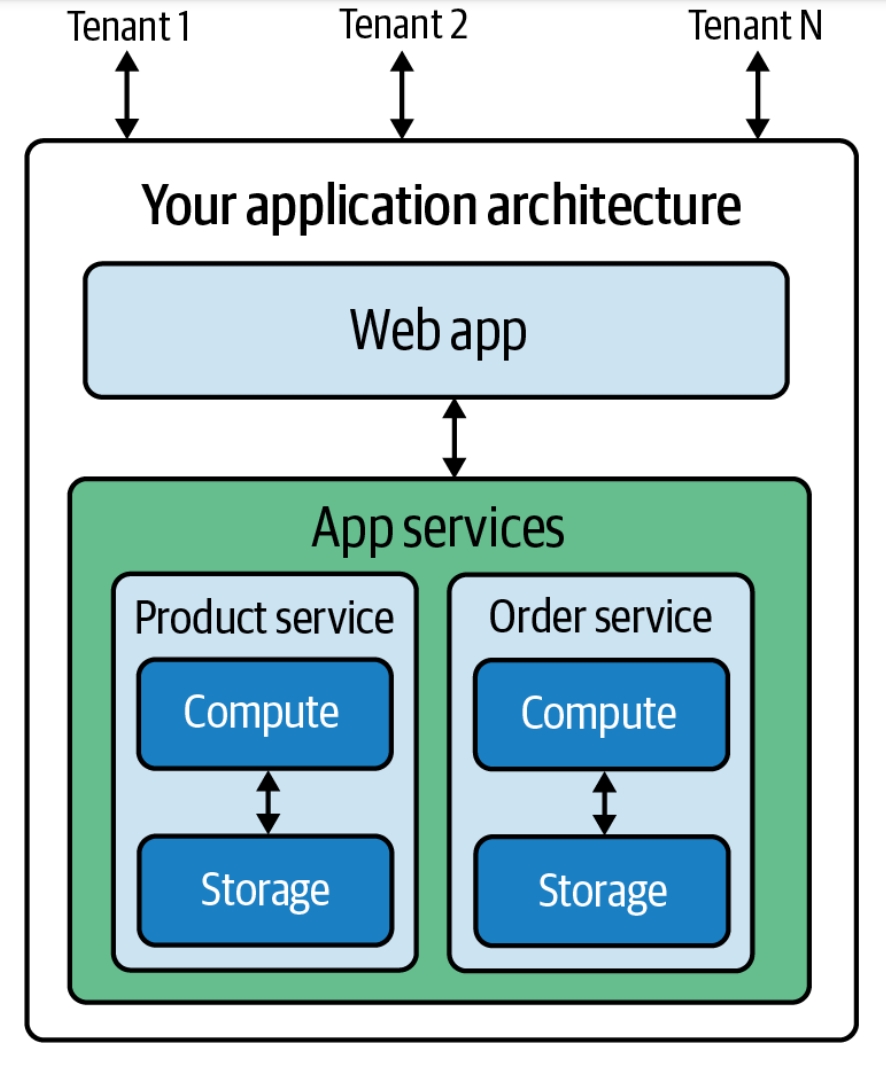
SaaS offerings are generally characterized by subscription pricing, centralised hosting, and managed updates. Users pay periodically for access instead of buying a perpetual license; this fee often covers hosting, maintenance, and support. Typical technical attributes include multi-tenancy (shared infrastructure among customers), elastic scalability, and access via standard web protocols. These design choices allow providers to deliver frequent feature updates and to scale capacity as user demand changes.
Common types and uses
SaaS applications appear across many domains: email and calendaring, customer relationship management (CRM), productivity and collaboration suites, accounting, human resources, analytics, and industry-specific tools. Small businesses may adopt SaaS to avoid large up-front investments in hardware and software administration, while enterprises often use SaaS to standardize tools across distributed teams.
Benefits and trade-offs
The principal advantages of SaaS are convenience, reduced operational overhead, and faster deployment. Providers handle installation, patches, security updates, and backups, allowing users to focus on using the software. However, trade-offs include less direct control over data location and software internals, potential vendor lock-in, and reliance on the provider's availability and solvency. For concerns about data portability or long-term access, organisations may require contractual guarantees or export mechanisms from vendors.
Related models and deployment
SaaS sits alongside other cloud service models such as Platform as a Service (PaaS) and Infrastructure as a Service (IaaS); each offers different levels of management responsibility for the customer. Deployment can be public (shared on the provider's infrastructure), private (dedicated environments for a single organisation), or hybrid. These options let organisations balance cost, compliance, and control depending on regulatory or performance requirements.
Criticism, governance and notable perspectives
Some critics emphasise privacy, transparency, and user freedom. A frequently cited concern is that because the running code and hosted data are controlled by the provider, users cannot independently verify what the software does or modify it to suit their needs. This view raises questions about freedom, particularly for organisations that require full auditability. There are also practical risks if a vendor becomes insolvent or discontinues a service; access to historical data may become difficult without prior arrangements. For discussion of philosophical and licensing objections see authoritative commentary and organizational positions such as those published by the Free Software Foundation.
Further reading and references
- Conceptual introduction to hosted software and cloud delivery: service overview
- Typical access methods and client software: web browser and thin clients
- Common commercial arrangements and billing models: subscription and pay-per-use
- Risk scenarios including vendor failure and data retrieval: business continuity considerations
For organisations evaluating SaaS, key questions include data ownership and exportability, security and compliance posture, uptime guarantees, and contractual terms for termination and transition. Weighing the operational benefits against governance and control requirements helps determine when SaaS is an appropriate choice.
Related articles
Author
AlegsaOnline.com Software as a Service (SaaS) Leandro Alegsa
URL: https://en.alegsaonline.com/art/91574