
Baroque pop: orchestral textures in 1960s pop and its legacy
Baroque pop is a 1960s pop/rock style that blends pop songwriting with classical instrumentation and arrangements, noted for harpsichords, strings, woodwinds and ornate production techniques.
Baroque pop is a musical style that emerged in the 1960s when popular songwriters and producers began combining contemporary rock and pop idioms with elements drawn from classical music. Rather than imitating historical Baroque music exactly, the style borrows textures and techniques—such as contrapuntal lines, formal ornamentation and chamber-sized ensembles—to create richly arranged, melodically driven songs.
Image gallery
4 Images


Characteristics and instrumentation
Typical features include prominent string sections, brass and woodwind colors, and keyboard timbres associated with early music. Producers and arrangers used instruments like the harpsichord, French horn and oboe—often in small orchestral groupings—to add a lingering, bittersweet or ceremonious quality to pop melodies. These arrangements frequently emphasize melodic counterpoint, close harmonic voicings and detailed studio production rather than raw rock energy.
Origins and historical context
The approach developed in the mid-to-late 1960s as studio technology advanced and popular artists experimented beyond three-chord rock. Record producers and arrangers adapted techniques from concert music and film scoring for the singles and LPs of the era. Examples of this crossover appear in recordings by major acts and in the work of influential producers and arrangers who brought orchestral players into pop sessions.
Notable records and artists
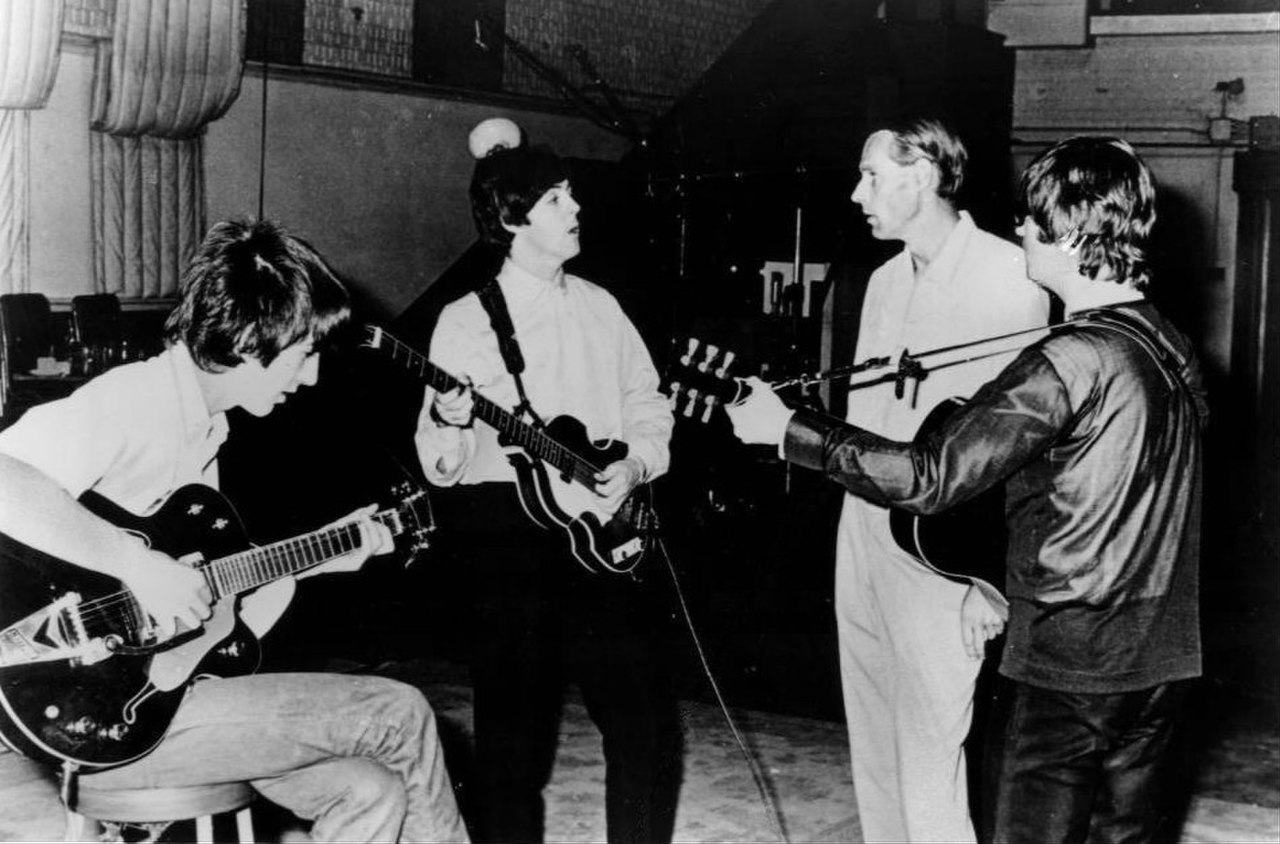
- The Beatles incorporated string octets and baroque textures on several tracks, most famously evident in songs like "Eleanor Rigby."
- The Beach Boys' album The Beach Boys project Pet Sounds is often cited for its sophisticated arrangements and broad instrumental palette.
- Phil Spector's productions demonstrated orchestral layering and dense arrangements; many of his hits illustrate the close relationship between grand studio production and baroque-inspired pop recordings.
- Other artists associated with the sound include chamber-pop groups and songwriters who favored classical players and intricate arrangements.
Uses, legacy and distinctions
Baroque pop influenced subsequent strands of popular music, feeding into orchestral pop, chamber pop and certain strands of art pop. Later decades saw revivals and reinterpretations by singer-songwriters and indie bands who adopted small-ensemble strings and woodwinds to achieve a refined, intimate mood. While "baroque pop" and "chamber pop" are sometimes used interchangeably, writers distinguish the terms by emphasis: "baroque" highlights stylistic echoes of 17th–18th-century textures and ornament, whereas "chamber" emphasizes the small-group, intimate ensemble approach.
Notable instruments and examples
- Harpsichord and clavichord-like keyboard coloring, often through studio instruments or orchestral harpsichord references.
- Woodwinds such as oboe and bassoon used for lyrical counter-melodies; the oboe in particular lends a plaintive character.
- French horn and strings to create broad harmonic blankets and cinematic swells.
Baroque pop remains a useful label for describing a set of production choices and compositional traits in popular music: careful arrangement, classical instruments in pop contexts, and an aesthetic that marries the intimacy of songwriting with the grandeur of chamber forces. For listeners exploring this terrain, classic 1960s recordings and later indie adaptations offer clear entry points into the style.
Tags
Related articles
Author
AlegsaOnline.com Baroque pop: orchestral textures in 1960s pop and its legacy Leandro Alegsa
URL: https://en.alegsaonline.com/art/9072