
Phil Spector: American record producer and creator of the “Wall of Sound”
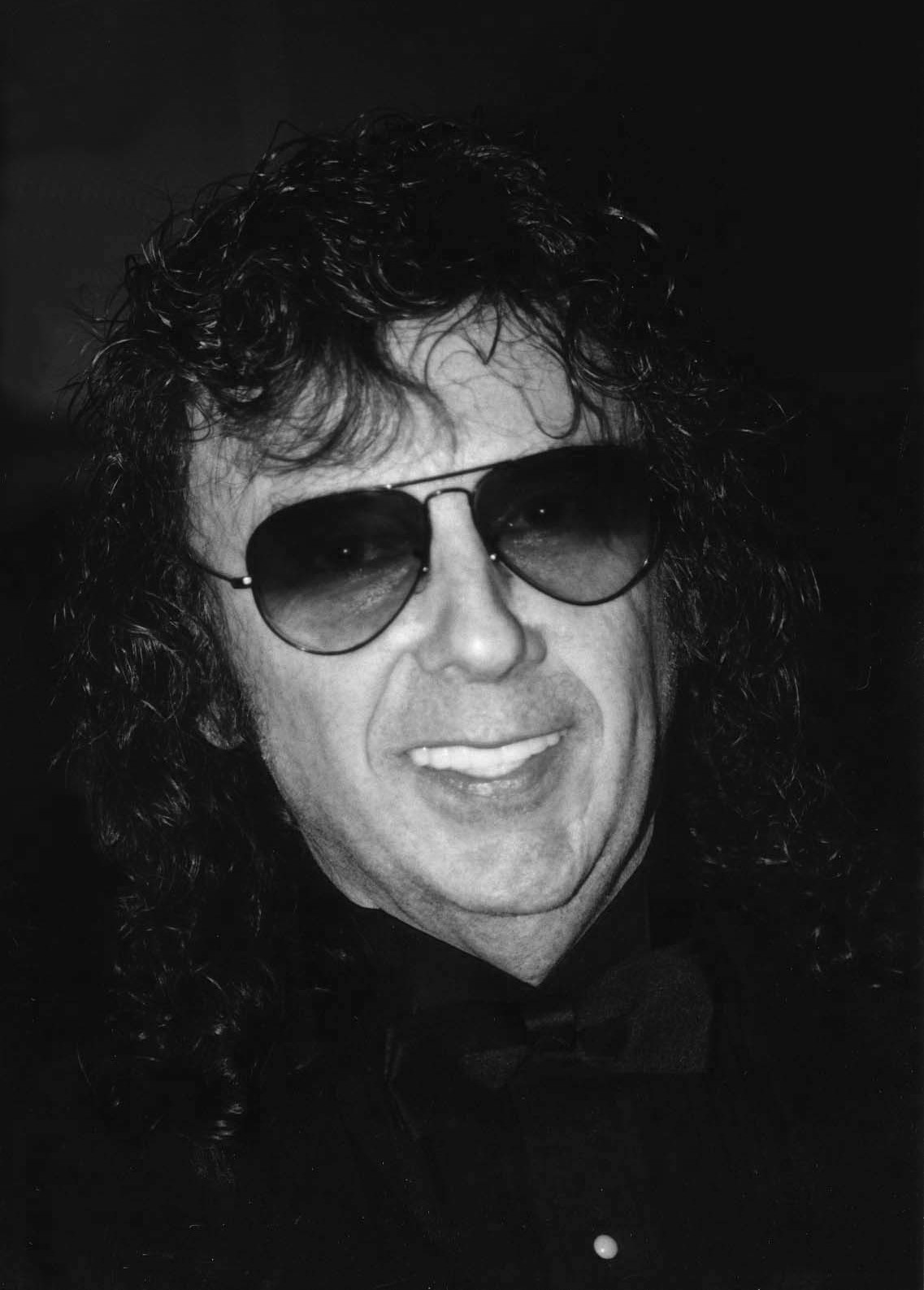
Phil Spector (1939–2021) was a highly influential American record producer and label owner, famed for his "Wall of Sound" production and major 1960s pop hits; later convicted of murder and imprisoned until his death.
Overview
Phil Spector was an American record producer and songwriter whose work in the 1960s helped shape modern pop production. He rose to prominence as a hit‑making studio architect, co-founding the label Philles Records and producing landmark singles for groups such as the Ronettes, the Crystals and the Righteous Brothers. His life combined musical innovation with a controversial personal and legal history.
Image gallery
10 Images


Production style and characteristics
Spector developed a densely layered studio approach commonly called the "Wall of Sound." He combined multiple instruments, echo chambers and careful arrangements to create a fuller, orchestral pop texture that translated well to AM radio and jukeboxes. The method emphasized dramatic crescendos, strong reverberation and meticulous control of vocal and instrumental balance.
Career, labels and collaborations
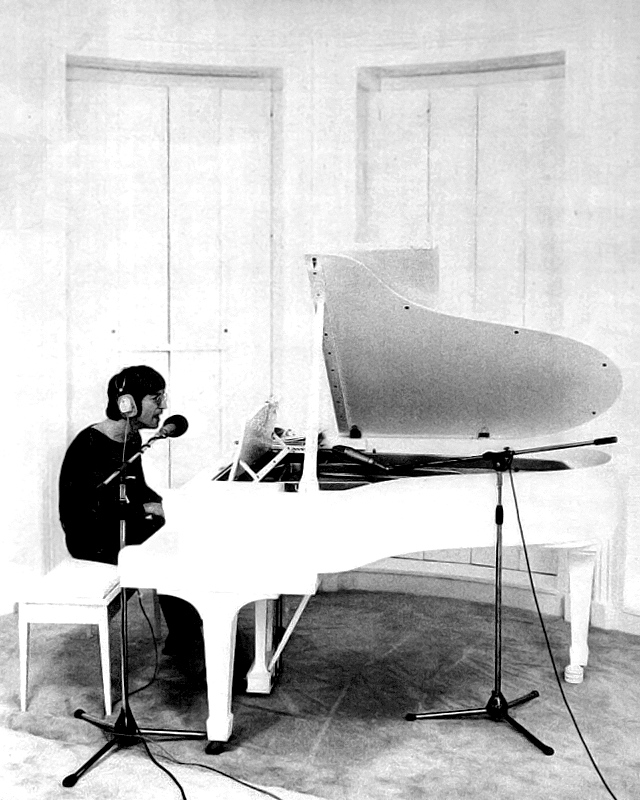
Starting as a teenage performer and songwriter, Spector moved into producing and label management. As co-owner of Philles Records he shepherded numerous charting singles and worked closely with session musicians, arrangers and singers. He later operated under his own Phil Spector Records imprint and collaborated with prominent artists; his production credits include projects by the Righteous Brothers and later work with John Lennon and the Beatles on the Let It Be album.
Notable recordings and influence
- Produced classic 1960s hits noted for their dramatic, large-scale arrangements.
- Influenced generations of producers and arrangers who sought more cinematic pop textures.
- Often credited for shaping the sound of early 1960s American pop and soul recordings.
Legal issues and later life
Spector’s public image was complicated by erratic behavior and legal problems. In 2009 he was convicted of second‑degree murder in the 2003 death of actress Lana Clarkson and sentenced to a lengthy prison term; he remained incarcerated until his death. Accounts of his relationships and business dealings have formed part of the wider reassessment of his life and work.
Legacy and distinctions
Spector is remembered both for decades‑lasting studio innovations and for the moral and legal controversies that marked his later years. Musically, the "Wall of Sound" remains a frequently cited milestone in production history and a touchstone for those studying how studio technique can reshape popular music. For further context on his production methods and discography, see entries on record production and artist biographies or a profile of his career as a record producer. Contemporary discussions also consider his conviction and incarceration, documented in reporting about his time in prison.
Questions and answers
Q: Who is Phil Spector?
A: Phil Spector was an American record producer, who was co-owner of Philles Records and later owner of Phil Spector Records.
Q: When was Phil Spector born and when did he die?
A: Phil Spector was born on December 26, 1939, and he died on January 16, 2021.
Q: What was Phil Spector's role in Philles Records?
A: Phil Spector was a co-owner of Philles Records along with his then-business partner Lester Sill.
Q: What was Phil Spector's role in Phil Spector Records?
A: Phil Spector was the owner of Phil Spector Records.
Q: What crime was Phil Spector found guilty of?
A: Phil Spector was found guilty of second-degree murder.
Q: When was Phil Spector imprisoned and when was he released?
A: Phil Spector was imprisoned in 2009 and he remained in prison until his death in 2021.
Q: What is the legacy of Phil Spector?
A: Phil Spector is regarded as one of the most influential music producers in the history of rock and roll, and his innovative "Wall of Sound" production technique has been imitated by many other producers. However, his career was tarnished by his conviction for murder.
Author
AlegsaOnline.com Phil Spector: American record producer and creator of the “Wall of Sound” Leandro Alegsa
URL: https://en.alegsaonline.com/art/128725