
Aldemaro Romero
Venezuelan pianist, composer, arranger and conductor who blended folk, jazz and classical styles and created the Onda Nueva, promoting Venezuelan music internationally.
Aldemaro Romero (March 12, 1928 – September 15, 2007) was a Venezuelan pianist, composer, arranger and conductor from Valencia, Carabobo. Over several decades he played a central role in presenting Venezuelan musical traditions to wider audiences, working across studio recordings, radio, concerts and orchestral projects. His career combined popular orchestral arrangements with original compositions and experimentation.
Image gallery
3 Images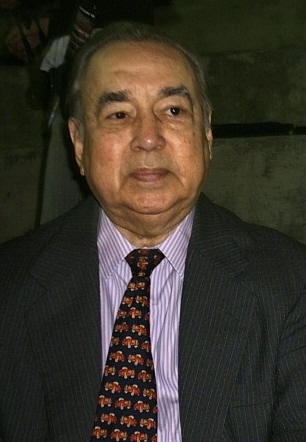


Musical style and innovations
Romero is best known for fusing elements of Venezuelan folk rhythms—especially joropo—with jazz harmonies and modern orchestration. In the late 1960s and early 1970s he developed a rhythmic-modern style often called Onda Nueva ("New Wave"), which aimed to translate traditional local patterns into a contemporary urban sound. He also arranged and recorded orchestral-pop albums that adapted popular and folk melodies for international listeners.
Career development
Beginning in the mid-20th century, Romero established himself as a versatile musical director and studio arranger. He led orchestras, produced numerous recordings and conducted performances that ranged from salon orchestras to symphonic ensembles. His recorded output included a series of albums that introduced Venezuelan repertoire to foreign markets and helped generate interest in Latin American orchestral pop.
Key contributions
- Creation and promotion of Onda Nueva, a hybrid genre blending joropo, jazz and bossa-inflected rhythms.
- Popularization of Venezuelan tunes through orchestrated albums and international performances.
- Work as arranger and conductor that bridged popular, jazz and classical idioms.
Romero received national and international recognition for his work and remained active as a performer, arranger and cultural figure into the later years of his life. His recordings continue to be cited as references for musicians exploring Latin American orchestration and the modernization of folk material.
For a concise overview of his life and recordings see Aldemaro Romero and related sources. His influence is visible in subsequent generations of Venezuelan artists who seek to combine vernacular rhythms with contemporary arrangements.
Tags
Related articles
Author
AlegsaOnline.com Aldemaro Romero Leandro Alegsa
URL: https://en.alegsaonline.com/art/2214