
Sinbad the Sailor: maritime tales from One Thousand and One Nights
Sinbad the Sailor is a legendary mariner from the Arabian Nights whose seven voyages mix seafaring adventure, fantastic monsters and moral reflection; later adapted across literature, film and art.
Sinbad the Sailor is the central figure in a cycle of adventure stories often anthologized with One Thousand and One Nights. Portrayed as a bold merchant-sailor who recounts seven voyages, Sinbad’s narratives combine maritime realism—trade, storms, navigation—with supernatural encounters: gigantic birds called rocs, the oppressive Old Man of the Sea, islands that are actually creatures, and treasures and dangers in equal measure. His tales are set against a broadly Islamic cultural background and are traditionally placed in the era of the Abbasid caliph Harun al-Rashid.
Image gallery
8 Images


Form, themes and narrative traits
The Sinbad stories are framed as first-person reminiscences: older, prosperous Sinbad tells his adventures to a listener. They follow a pattern of departure, calamity, miraculous escape and profitable return, creating a moral rhythm that celebrates courage, perseverance and gratitude while warning about hubris and greed. Many episodes juxtapose realistic details of medieval Indian Ocean commerce—ports, cargoes and shipboard life—with fabulous elements, reflecting the borderland between traveller’s report and folktale.
The seven voyages (overview)
- Each voyage is self-contained yet shares recurring motifs: shipwreck, marooning, encounters with strange peoples or beasts, and great wealth on return.
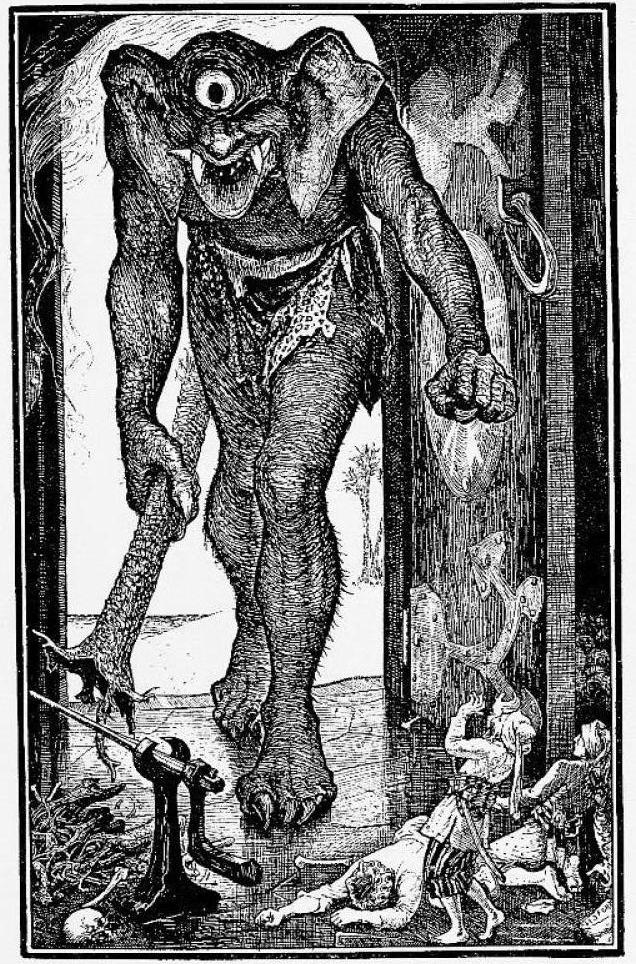
- Well-known episodes include confrontations with the Roc (a gigantic bird), enforced servitude under the Old Man of the Sea, and islands that turn out to be living creatures.
- The stories combine perilous action with episodes of cleverness and luck that restore Sinbad to prosperity, reinforcing a cyclical structure of loss and recovery.
Origins and textual history
Sinbad does not appear in the earliest strata of Arabian Nights material but was incorporated into later compilations. Scholars note possible Persian and broader Near Eastern influences in character types and motifs. The tales spread through translations into European languages from the seventeenth century onward, where they helped shape Western ideas of Oriental seafaring exotica.
Cultural impact and adaptations
Over centuries Sinbad has been adapted in many media: illustrated manuscripts, stage plays, novels, films and animated series. Filmmakers and producers have repeatedly reimagined his voyages for popular audiences, and animated cartoons have introduced the character to children. For general reference about the sailor figure see Sinbad, for his monster encounters see Sinbad's foes, for film adaptations see cinematic versions and for animated treatments see cartoon adaptations.
Sinbad’s enduring appeal lies in the mix of seafaring realism and boundless imagination. Whether read as moralistic adventure, traveller’s romance or a repository of folkloric motifs, his voyages continue to influence storytelling about the sea and the unknown.
Related articles
Author
AlegsaOnline.com Sinbad the Sailor: maritime tales from One Thousand and One Nights Leandro Alegsa
URL: https://en.alegsaonline.com/art/90594