
Sir Kay (Cei) — Knight and Seneschal in Arthurian Legend
Sir Kay, son of Sir Ector and foster-brother to King Arthur, is an early figure in the Arthurian cycle: a chief household officer, a prominent Knight of the Round Table, and a complex character in medieval and modern retellings.
Overview
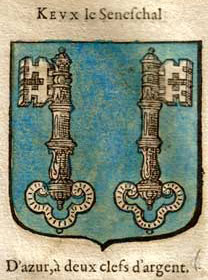
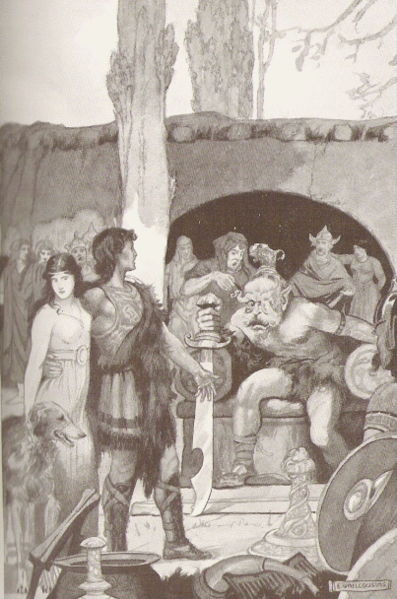
Sir Kay (Welsh: Cei) is a recurring figure in the Arthurian tradition. Presented as the son of Sir Ector and the foster-brother of King Arthur, Kay serves as one of Arthur's earliest companions and as a senior member of the court. His role ranges from household official to frontline warrior depending on the source.
Image gallery
4 Images

Role and characteristics
Often described as the king's seneschal or steward, Kay is responsible for managing the royal household and acting as an officer of the court; some sources emphasize his administrative duties while others stress his prowess in combat. Literary portrayals vary: he can be a blunt, quick-tempered warrior, a proudly boastful knight, or a reliable if sometimes abrasive aide. Later romances also make him one of the first individuals named among the Knights of the Round Table (Round Table).
Origins and development
The figure of Kay has deep roots in early Celtic and medieval material. He appears in early Welsh traditions as Cei and is one of the companions that link the earliest, local tales of Arthur with the expanded continental romances. Medieval chroniclers and romancers—whose works helped shape the popular image of Arthur—adapted and enlarged Kay's role, folding him into courtly narratives and chivalric episodes. He is sometimes identified and compared with other early companions such as Bedivere, reflecting how different traditions preserved a small core cast around Arthur.
Notable episodes and literary function
Across sources, Kay serves several narrative purposes. He can act as comic relief or as a foil to more idealized knights, highlighting the gap between heroic ideals and human foibles. In more heroic accounts he takes part in battles, quests, and royal duties, while in satirical or domestic scenes he may boast or claim credit for deeds. His administrative position—often described with the medieval term seneschal—also places him at the center of courtly order and discipline (seneschal).
Significance and legacy
Sir Kay endures as a flexible character who reflects changes in how medieval and modern storytellers viewed knighthood and court life. From early Celtic tale cycles to later prose romances and contemporary adaptations, Kay's character has been reshaped to suit different tones: heroic, comic, or bureaucratic. Scholars often study him to trace the transition from native British tradition into the pan-European Arthurian corpus.
Key points
- Foster son of Sir Ector and foster-brother to Arthur.
- Occupies the household office of seneschal or steward (seneschal).
- Named among the earliest Knights of the Round Table (Round Table).
- One of the oldest companions in the tradition alongside figures such as Bedivere.
For more comprehensive treatments consult collections of medieval Arthurian texts and critical studies that trace the figure of Cei/Kay from Welsh material through continental and later English romances.
Related articles
Author
AlegsaOnline.com Sir Kay (Cei) — Knight and Seneschal in Arthurian Legend Leandro Alegsa
URL: https://en.alegsaonline.com/art/90742