
Siren (mythological creature)
A legendary figure of Greek myth whose alluring song lured sailors to destruction; originally bird‑women in ancient sources and later depicted like mermaids, best known from Homer's Odyssey.
Overview
The siren is a legendary being from ancient Greek mythology known for an irresistible, often dangerous song. Not to be confused with the modern mechanical siren (noisemaker), mythological sirens appear in poems and visual art as creatures that lure travelers and seafarers toward peril. Their reputation combines elements of voice, beauty, and threat: a melody that promises knowledge or delight but leads to shipwreck and death.
Image gallery
10 Images




Origins and literary sources
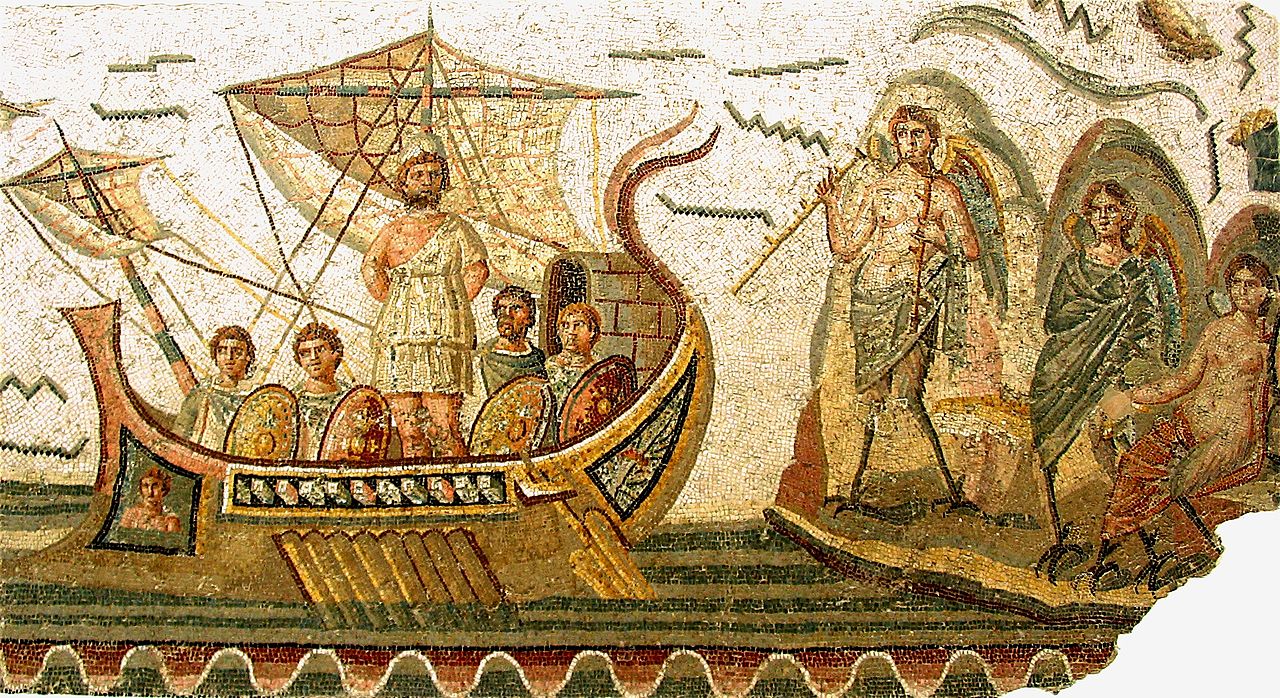
Accounts of the sirens appear in a range of ancient works. The most famous narrative occurs in epic poetry, where a hero and his crew must pass the island home of the sirens without succumbing to their song. Classical authors and later commentators placed their dwelling on a rocky island ringed by reefs and shoals, locations that amplify the danger their singing represents. That episode and its variations form the basis for later interpretations of the siren figure.
Physical appearance and transformations
Descriptions of sirens vary across time and medium. Early Greek art and literature commonly present them as hybrid bird‑women: human heads or torsos attached to bird bodies, emphasizing vocal power and otherworldliness. By the medieval and Renaissance eras, European imagination had increasingly conflated sirens with mermaids or fish‑tailed women, producing the familiar image of an aquatic temptress. Some traditions also associate them with freshwater nymphs or sea spirits.
Mythic episode: Odysseus and his precautions
The most cited episode involving sirens describes how a voyaging captain prepared his crew to pass the sirens' shore. To avoid hearing the deadly melody, the crew plugged their ears with wax, while the captain insisted on hearing the song and had himself bound to the mast so he could not steer the vessel toward danger. The sailors lashed him down and kept rowing, refusing to release him until they were safely past. Ancient storytellers name the captain—often a central hero in the tale—and recount his experience of being drawn but restrained as a lesson in prudence and curiosity. Versions of this story identify the hero as Odysseus and attribute the account to the poet Homer in the epic Odyssey; the crew’s use of wax becomes a vivid image of resisting temptation.
Characteristics, functions, and symbolism
- Voice and song: Sirens are primarily defined by an auditory power that enchants listeners.
- Ambiguity of form: They bridge human and animal or marine realms, reflecting liminality.
- Moral and psychological role: Myths use sirens to represent temptation, dangerous knowledge, or the pull of the unknown.
- Geographical marker: Their island sets up a narrative obstacle—passing it tests cleverness and self‑control, often at sea where ancient travel was most precarious.
Legacy and notable distinctions
Over centuries, the term "siren" moved from a specific mythic creature to a broader metaphor. In modern language a "siren song" denotes any alluring but harmful appeal. Sirens are often confused with mermaids in popular culture because later art merged the two images; however, classical sirens originally emphasized bird attributes and the power of song rather than fish tails. Scholars and artists continue to explore sirens as symbols of temptation, feminine agency, and the boundary between human and otherworldly realms.
Further reading and related topics
For comparative study, readers may follow references to seafaring hazards, nymphs, and other mythic figures that interact with humans at thresholds. Related themes include navigation and the temptations associated with voyage and exploration. See entries on ancient poets, maritime lore, and related mythic creatures for wider context.
Questions and answers
Q: What is a siren in Greek mythology?
A: A siren is a creature in Greek mythology that lives on an island surrounded by rocks, and it sings to lure sailors to their deaths.
Q: What is the form of a siren?
A: A siren has a mermaid form where it still sings but hits the boat to sink it. Sirens also have a human form.
Q: Why did sailors try to go to siren's island?
A: Sailors would try to go to siren's island because of their singing.
Q: What happened to sailors' ships near siren's island?
A: Sailors' ships near siren's island got destroyed on the rocks, and sailors would drown.
Q: Who were the Naiads?
A: The Naiads were spirits of the sea, and many people believed the sirens were Naiads.
Q: In which famous work do sirens appear?
A: Sirens appear in Homer's Odyssey.
Q: What did Odysseus do to avoid being lured by the sirens?
A: Odysseus told his men to put wax in their ears, so they couldn't hear the sirens, and he asked them to bind him to the ship's mast, so he couldn't go towards the sirens when he hears their song.
Related articles
Author
AlegsaOnline.com Siren (mythological creature) Leandro Alegsa
URL: https://en.alegsaonline.com/art/90753