
Simon de Montfort, 6th Earl of Leicester (c.1208–1265)
Leader of the baronial revolt against Henry III, architect of early parliamentary assemblies and briefly England's ruler; his reforms and anti-Jewish measures made his legacy contested.
Simon de Montfort was a prominent noble of the thirteenth century who played a central role in English political life during the reign of King Henry III. Born about 1208 into a family with lands in both France and England, Montfort is often described as a Franco-English nobleman. He inherited the title and estates associated with the earldom of Leicester and became one of the leading magnates in England. His career combined military action, reformist politics and controversial social measures.
Image gallery
7 Images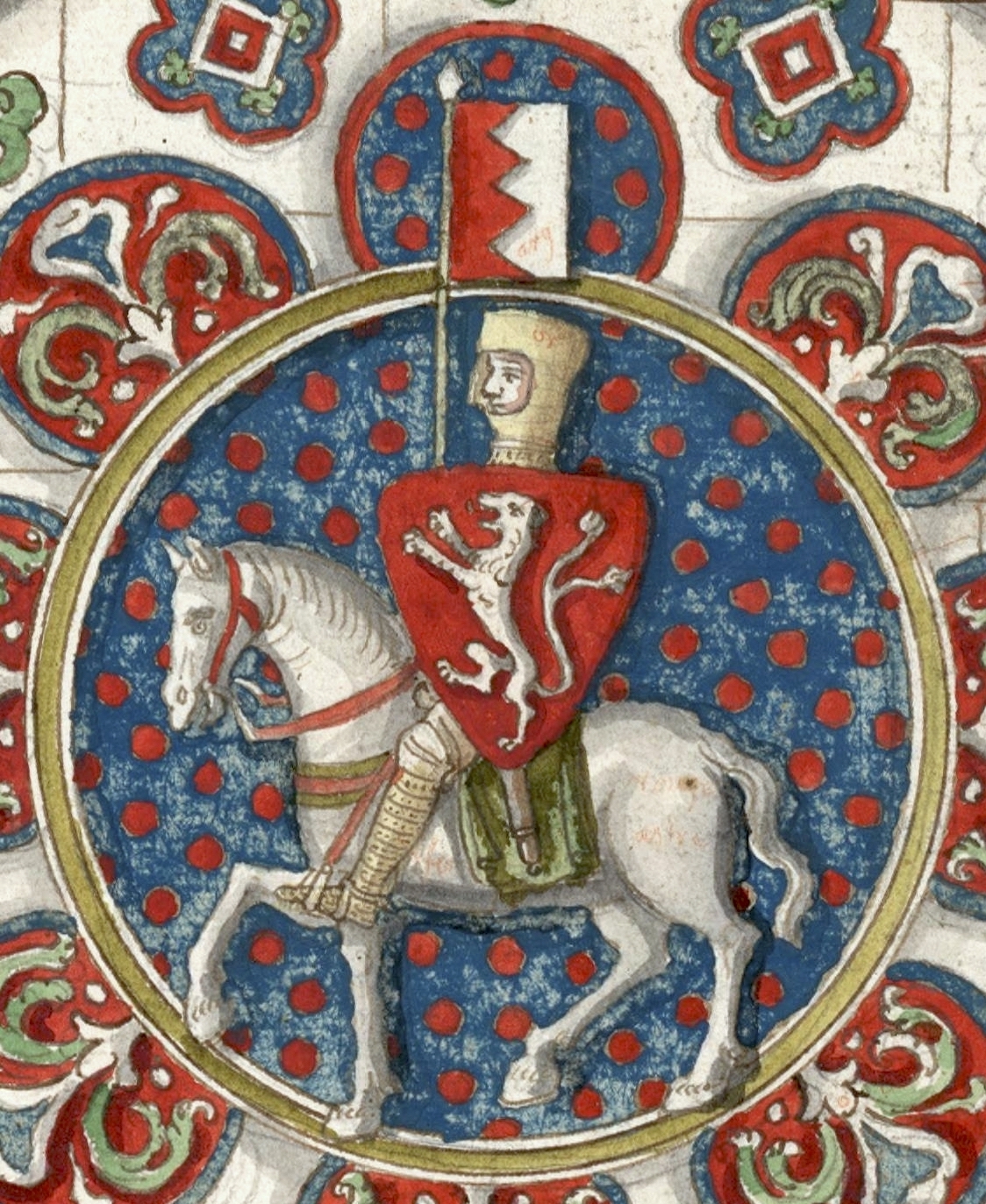


Political reform and assemblies
Montfort emerged as a reforming figure in opposition to what many barons viewed as royal misgovernment. The baronial movement produced a series of documents and meetings intended to limit the king's arbitrary power and to require regular consultation. Montfort was closely associated with the baronial program and with the summoning of representative gatherings frequently referred to as parliaments. An earlier landmark was the gathering at Oxford in 1258, known as the Oxford Parliament of 1258, which imposed the Provisions of Oxford and established a council to oversee royal administration. After defeating the royal forces in 1264 he became, in effect, the de facto ruler of England and convened another important assembly in 1265 at the Palace of Westminster, notable for including representatives from counties and some boroughs.
Conflict and the Second Barons' War
Disputes over the scope of royal authority led to open warfare between Montfort and the king. The conflict known as the Second Barons' War (1263–1264) featured key engagements, a short period of Montfortian government, and continuing factional strife. His temporary victory allowed him to implement measures intended to ensure baronial oversight of the crown. However, royalists regrouped and Montfort's power was broken at the Battle of Evesham on 4 August 1265, where he was killed and his forces defeated.
Policies, economic measures and violence
Montfort's rule included economic and legal actions intended to relieve debt burdens and reorganize local governance. Part of his agenda attacked the mechanisms of royal and private finance; for example, he took steps that cancelled certain debts owed to Jews and ordered seizures of debt records. Those measures, combined with social tensions, contributed to outbreaks of violence against Jewish communities in several towns, including incidents in London and Worcester. Scholars emphasise that such actions and the attendant violence are a significant and troubling part of his record.
Legacy and historical significance
Montfort's reputation is mixed. He is often celebrated for convening assemblies that included commoners — an early step toward parliamentary representation — and for challenging unchecked royal authority. At the same time, his use of force, controversial economic policies, and role in anti-Jewish measures make his legacy contested. Historians debate how directly his 1265 assembly can be seen as the origin of the modern parliament, but many agree that his interventions accelerated institutional change in England.
Notable facts and distinctions
- He combined continental and English interests as a landholder active on both sides of the Channel.
- His period of rule was brief but produced lasting constitutional debates about the balance of power between king and magnates.
- Controversy surrounds his social and fiscal policies, especially toward Jewish moneylenders.
For further reading on specific aspects of his life and the political context of the 1250s–1260s, see sources and overviews of medieval English government and the Second Barons' War available through general reference collections and specialist studies. Biography summaries, earldom histories and discussions of the Leicester inheritance help illuminate his background; detailed accounts of the baronial movement and the English crown consider the constitutional debates. Further treatment of the conflict with Henry III and the claim that Montfort became de facto ruler are available in collections on medieval parliaments and warfare. Primary-document editions and analyses of the parliaments and the Oxford measures give context to his reforming program; descriptions of the 1265 summit at the Palace of Westminster and records of economic policy explain the controversies over cancelling debts and the violent consequences for communities in places such as London and Worcester.
Questions and answers
Q: Who was Simon de Montfort?
A: Simon de Montfort was a Franco-English nobleman who inherited the title and estates of the earldom of Leicester in England.
Q: What was the Second Barons' War and how was Montfort involved in it?
A: The Second Barons' War was a rebellion against King Henry III of England. Montfort led the rebellion.
Q: What did Montfort achieve during his rule in England?
A: During his rule, Montfort called two famous parliaments. The first, the Oxford Parliament of 1258, stripped the King of his unlimited authority. The second parliament was in 1265, in which de Montfort included ordinary citizens from the towns. Montfort is seen as one of the builders of modern parliamentary democracy.
Q: What did Simon de Montfort do to the Jews in England?
A: As Earl of Leicester, Montfort expelled Jews from the city. When he became ruler of England, he cancelled debts owed to Jews. The Jews' records were violently seized. In London and Worcester, this policy led to massacres.
Q: When did Montfort die and how did he die?
A: After ruling for just over a year, Montfort was killed by forces loyal to the King in the Battle of Evesham.
Q: What is the significance of Montfort's inclusion of ordinary citizens in the second parliament of 1265?
A: Montfort's inclusion of ordinary citizens in the second parliament of 1265 is significant because it is seen as one of the builders of modern parliamentary democracy.
Q: What is the significance of Montfort's expulsion of Jews from the city and cancellation of debts owed to Jews?
A: Montfort's expulsion of Jews from the city and cancellation of debts owed to them is significant because it led to massacres in London and Worcester. It also highlights the anti-Semitic policies of the time.
Related articles
Author
AlegsaOnline.com Simon de Montfort, 6th Earl of Leicester (c.1208–1265) Leandro Alegsa
URL: https://en.alegsaonline.com/art/90533