
Simeon Booker: Pioneering Journalist of the Civil Rights Era
Biography of Simeon Booker (1918–2017), an influential African-American journalist whose reporting for Jet, Ebony and other outlets helped shape national awareness of civil-rights abuses.
Overview
Simeon Booker (August 27, 1918 – December 10, 2017) was a prominent African-American journalist whose reporting over more than five decades documented major events of the Civil Rights Movement and chronicled the lives and struggles of Black Americans. Born in Baltimore and raised in Youngstown, Ohio, Booker became known for persistent, on-the-ground reporting that brought local tragedies and courtroom dramas to national attention.
Image gallery
1 Image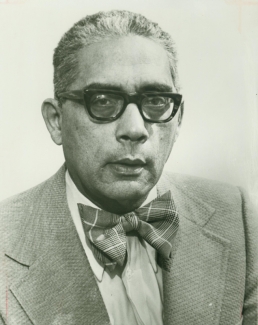
Early life and training
Booker grew up during a period of segregation and limited opportunity for African Americans in the news media. Early exposure to racial inequality and to community institutions of the Black press shaped his determination to pursue journalism. He entered newspapers as a young man and developed reporting skills that combined careful observation, source cultivation and clear narrative, enabling him to move from local work to national assignments.
Career and major assignments
Across his career Booker wrote for both mainstream outlets such as The Washington Post and for influential Black publications including Ebony and Jet. Working for those magazines gave him a broad platform: his copy reached Black readers across the United States and also forced white editors and policymakers to grapple with stories they might otherwise have missed. Booker covered protests, trials, political developments and the personalities who shaped mid-20th-century America, often traveling to the South to report under difficult and sometimes dangerous conditions.
Emmett Till and civil-rights reporting
Booker is widely remembered for his role in reporting the 1955 murder of 14-year-old Emmett Till and the response it provoked. His accounts, along with other reporting in the Black press, helped lift the case out of local obscurity and contributed to a national conversation about racial violence and injustice. More generally, Booker documented mass demonstrations, legal battles over segregation, and the work of civil-rights leaders, producing sustained coverage that tracked both victories and setbacks of the movement.
Methods, influence and legacy
Booker's reporting combined meticulous documentation with persistent follow-up. He cultivated a broad network of sources, used eyewitness testimony and court records, and placed stories in a wider social and political context. Colleagues and historians consider him a bridge between the Black press and the broader national media, demonstrating how consistent reporting can influence public debate and policy. In February 2017 a bipartisan group of members of Congress introduced legislation nominating him for a Congressional Gold Medal, supported by a number of lawmakers and organizations who cited his decades of service.
Personal life and death
Booker remained active as a chronicler of race and politics throughout his life. He died on December 10, 2017, at an assisted-living community in Solomons, Maryland, from complications related to pneumonia. He was survived by his wife, Carol, and their son, Teddy. His work continues to be studied by journalists, historians and others interested in media, civil rights and American social history.
Further notes
- Booker worked across different kinds of publications, illustrating the reach and importance of the Black press in mid-20th-century America.
- His coverage of high-profile cases and political developments helped shape public understanding of civil-rights issues.
- For local context and archival material see regional histories and institutional collections referenced by reporters and scholars; local resources and national retrospectives provide additional perspective. Local histories remain useful starting points.
Related articles
Author
AlegsaOnline.com Simeon Booker: Pioneering Journalist of the Civil Rights Era Leandro Alegsa
URL: https://en.alegsaonline.com/art/90509
Sources
- press.org : "Simeon Booker, 1982 Fourth Estate Awardee, nominated for Congressional Gold Medal"
- nieman.harvard.edu : "Simeon Booker, civil rights reporter and 1951 Nieman Fellow, nominated for Congressional Gold Medal"
- washingtonpost.com : "Simeon Booker, intrepid chronicler of civil rights struggle for Jet and Ebony, dies at 99"
- vindy.com : "Civil Rights journaliist, Youngstowner Simeon Booker died today"