
Softwood: Characteristics, Uses, History, and Distinctions
Overview of softwood—wood from gymnosperm (conifer) trees—covering its properties, major sources, common uses, and how it compares with hardwood.
Overview
Softwood is the timber that comes from gymnosperm trees, most of which are conifers. These trees are often but not always evergreen; the term evergreen is commonly associated with them because many retain leaves year-round. In broad terms, softwood refers to the biological origin of the material rather than a statement about its mechanical hardness. The basic raw material is wood produced by a group of seed-bearing plants different from angiosperms, which supply what is called hardwood.
Image gallery
10 Images





Characteristics and Structure
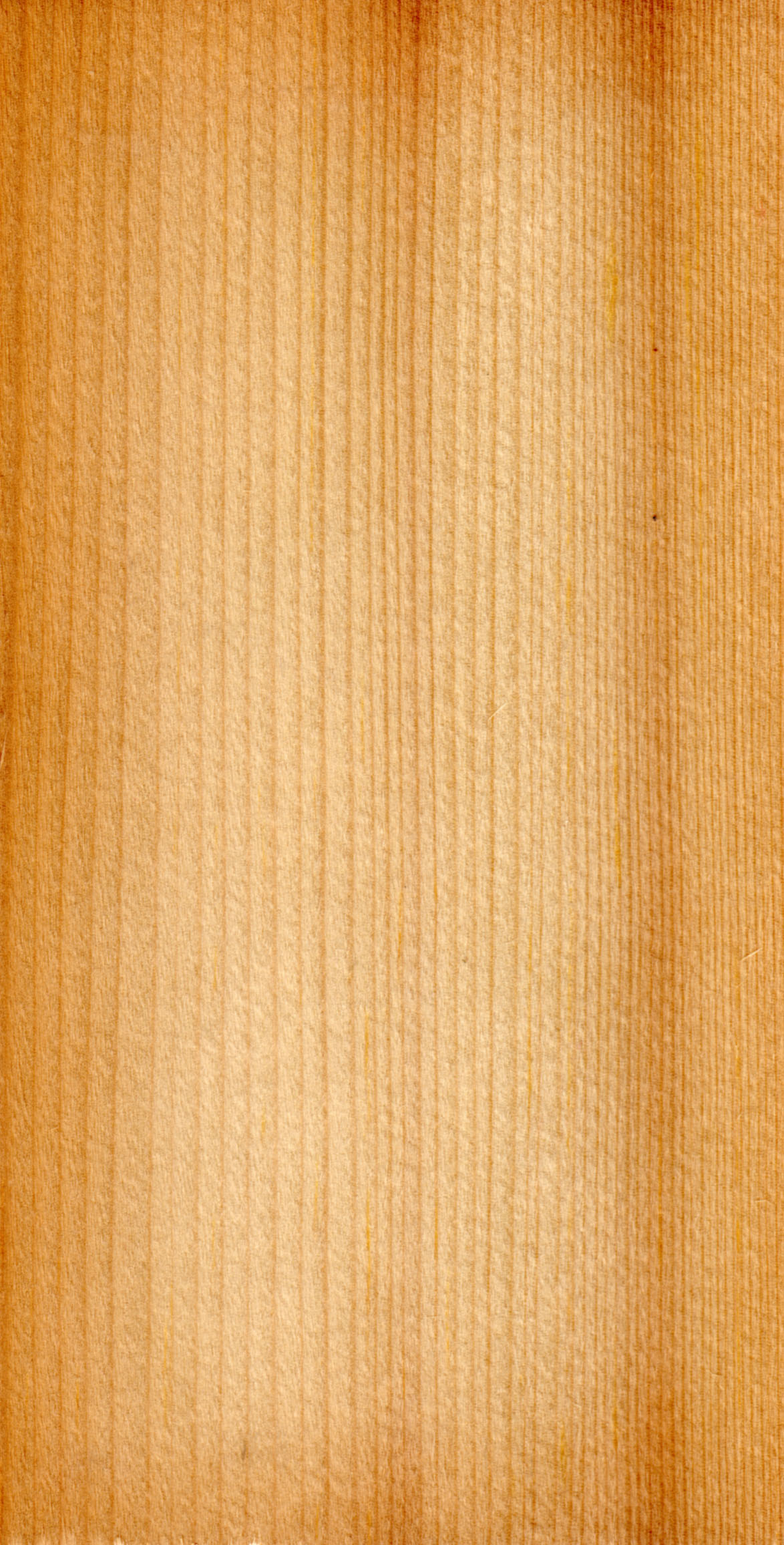
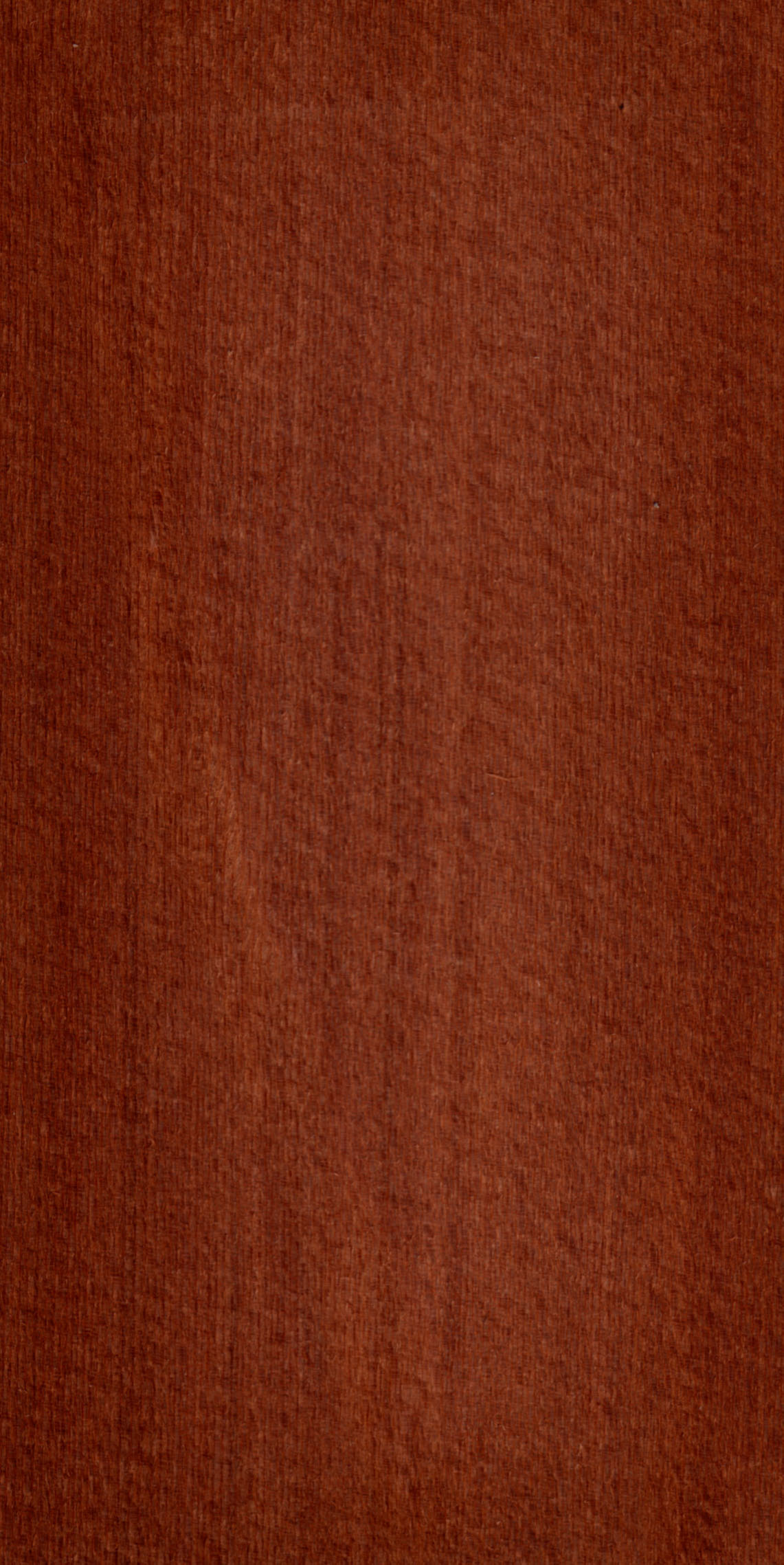
Softwoods tend to have a simpler cellular structure than hardwoods: their wood is dominated by longitudinal tracheids that convey both water and provide mechanical support, with relatively few vessel elements. This anatomy generally leads to a more uniform texture and straight grain in many species, which simplifies processing and machining. Densities and mechanical strength vary widely across species—some softwoods, such as Douglas fir, are relatively dense and strong, while other woods in the hardwood group (for example balsa) can be much softer.
History, Production and Major Regions
Softwood has been a primary construction and manufacturing resource for centuries. Today it accounts for roughly 80% of global lumber production and is a cornerstone of the timber industry in many temperate and boreal regions. Traditional production centers include North America, Scandinavia and the Baltic region, and large volumes also come from China and other parts of Asia. The industry developed alongside shipbuilding, carpentry, and later mass-market housing, where the ease of sawing and finishing made softwood the dominant choice.
Uses and Examples
Because of its workability, availability, and relatively low cost, softwood is used for many applications:
- Construction framing and structural timber
- Joinery, mouldings, and interior trim
- Paper pulp and engineered wood products (plywood, OSB, glulam)
- Packaging, pallets, and other utility items
Common commercially important species include pines, spruces, firs and larches—each selected for a mix of strength, straightness, growth rate and regional availability.
Comparisons and Notable Facts
Although the terms softwood and hardwood suggest a hardness contrast, they are botanical labels rather than absolute descriptions of mechanical hardness. The distinction is based on plant classification: softwoods originate from gymnosperm trees, hardwoods from angiosperm trees. In practice, hardness, density, and durability depend on species, growth conditions, and treatment. For example, Douglas fir (a softwood) can be harder and more durable than some woods classified as hardwood.
Sustainability and Management
Modern softwood supply increasingly relies on managed forests, replanting and certification schemes to balance harvest with conservation. Because many softwood species grow relatively quickly, they are well suited for plantations and sustained-yield systems. Industries and consumers often look for certified sources to ensure responsible forestry practices and to reduce impacts on biodiversity and carbon stocks. For further reading, consult regional forestry authorities and technical guides on timber grading and treatment available from recognized organizations (lumber industry resources).
For regional market information and species specifics, see materials from institutions in North America, Scandinavia, the Chinese forestry sector and other sources that track production and trade. General technical references also cover how softwoods are processed into boards, panels and engineered products used worldwide.
Questions and answers
Q: What is softwood?
A: Softwood is the type of wood that comes from gymnosperm trees, including most evergreen trees.
Q: What percentage of the world's lumber production is made up of softwood?
A: Softwood makes up about 80% of the world's production of lumber.
Q: What are some traditional production areas for softwood?
A: Some traditional production areas for softwood include North America, Scandinavia, Baltic countries, and China.
Q: What is hardwood?
A: Hardwood is the type of wood that comes from angiosperm trees.
Q: Are softwoods always softer than hardwoods?
A: No, softwoods are not always softer than hardwoods. Both groups include a variety of wood types that vary in actual hardness.
Q: What is an example of a hardwood that is softer than most softwoods?
A: Balsa is a hardwood but is softer than most softwoods.
Q: Is a softwood like Douglas fir always less hard than hardwoods?
A: No, Douglas fir, a softwood, is much harder than many hardwoods.
Related articles
Author
AlegsaOnline.com Softwood: Characteristics, Uses, History, and Distinctions Leandro Alegsa
URL: https://en.alegsaonline.com/art/91588