
Snorkeling: an accessible way to observe marine life
Snorkeling is surface swimming using a breathing tube and mask to view underwater life; a popular, low‑skill way to explore reefs, learn about marine ecosystems, and enjoy coastal recreation.
Overview
Snorkeling is the activity of swimming at the water's surface while using a narrow breathing tube and a mask so the swimmer can observe underwater features without fully submerging. A snorkel allows continuous breathing while the face is in the water; people use masks to see clearly and often wear fins to move more efficiently. Snorkeling is a broadly accessible pastime enjoyed by a wide range of ages and fitness levels because it requires less equipment and training than scuba diving.
Image gallery
10 Images



Equipment and basic technique
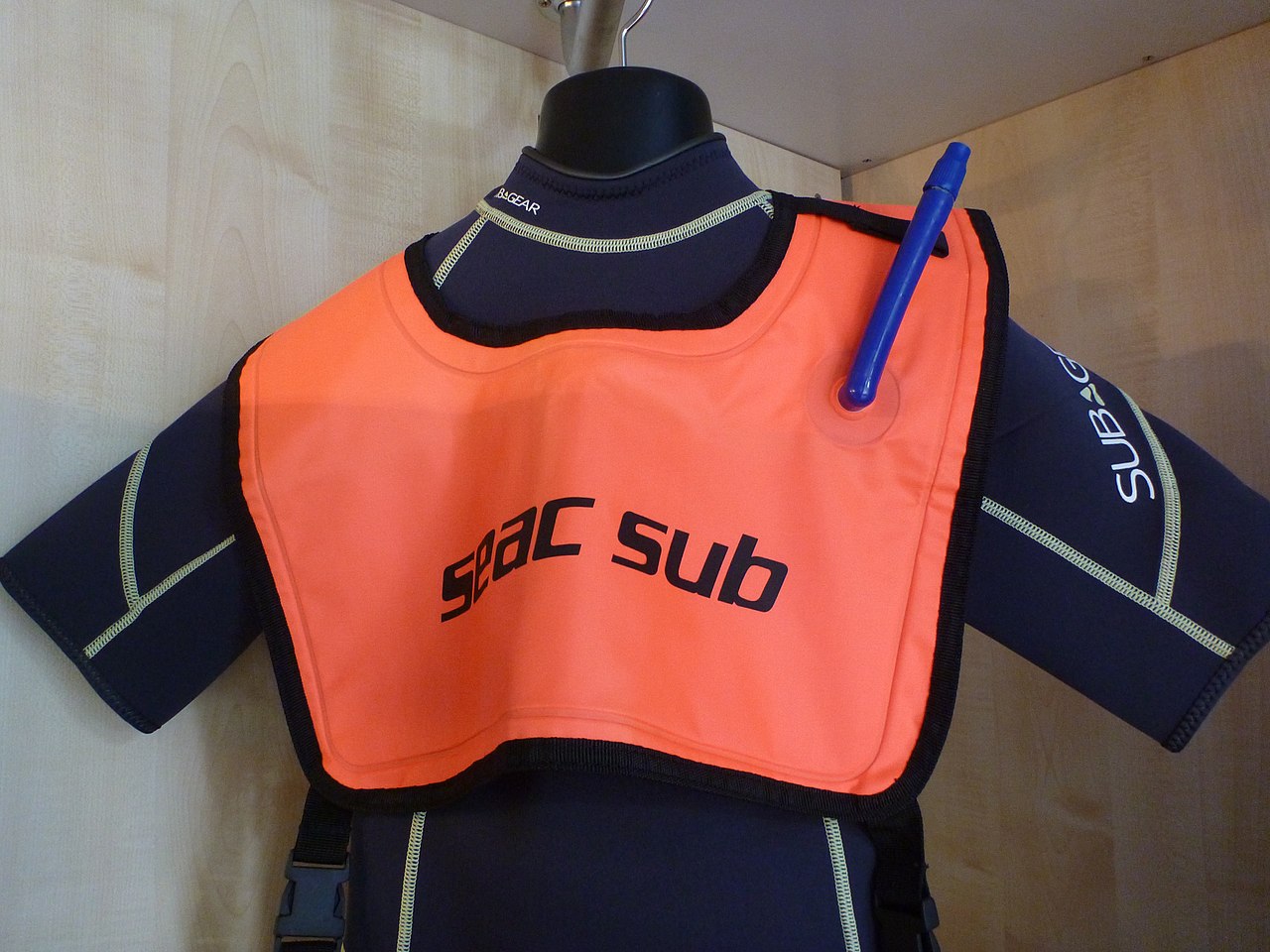
Common equipment for snorkeling is simple: a fitted mask, a breathing tube (the snorkel) and usually fins. Masks seal around the eyes and nose to create an air space for clear vision; the snorkel is a curved tube that reaches above the surface so the snorkeler can breathe normally while face-down; fins increase propulsion and reduce fatigue. Variations include dry snorkels designed to keep water out and low-volume masks for easy equalization. Learning to clear the snorkel of water, to breathe calmly through it, and to float comfortably are the main initial skills.
Typical locations and conditions
Snorkeling is commonly practiced in shallow coastal areas with good visibility and mild waves. Clear, calm, warm waters such as tropical lagoons and fringing reefs are especially popular; many people travel to destinations known for easy access to marine life. Enthusiasts often explore shallow reefs from sea level down to a few metres, where coral formations, fish and seagrass beds are most abundant. In some places snorkelers may swim over deeper slopes and drop-offs to peer into deeper habitats, but seeing distant reefs typically requires freediving skills.
What you can see and why it matters
Snorkelers commonly encounter a wide range of shallow-water organisms, including reef fish, sea turtles, rays and the tops of coral gardens. A simple surface swim can reveal schools of fish and patches of coral reefs, providing an immediate connection to marine ecosystems. For many people snorkeling is an introduction to ocean conservation and marine biology; it supports education, non-motorized tourism and small-scale monitoring of coastal habitats.
Safety, limits and environmental etiquette
Although less technical than diving, snorkeling carries risks: currents, wave action, boats, sun exposure and encounters with wildlife can all be hazardous. Never snorkel alone in unfamiliar water, keep within comfortable depths, and be mindful of tides and boat traffic. Basic safety practices include wearing a flotation aid if unsure, using a signaling device, and staying close to a partner. Environmental etiquette is important: avoid touching or standing on corals, control sunscreen and pollutants, and observe wildlife without feeding or chasing.
History, variations and cultural notes
Breath-hold swimming and observation of marine life are ancient practices tied to fishing and coastal cultures. Modern recreational snorkeling expanded with improved masks and snorkels in the 20th century and with growth in coastal tourism. Variations include guided snorkel tours, night snorkeling, and snorkel-based freediving for research or photography. For many communities, snorkeling is both a leisure activity and a way to support local economies while fostering awareness of marine conservation.
Practical tips
- Choose a well-fitting mask and practice clearing the snorkel before going far from shore.
- Use reef-safe sunscreen and avoid physical contact with marine life to protect fragile ecosystems.
- Start in calm, shallow water to build confidence; consider guided trips in unfamiliar locations.
- Keep learning: basic freediving skills extend what you can explore but require training and caution.
For additional reading on equipment, destinations and safety, consult introductory guides and local resources: breathing technique, viewing underwater, popular snorkeling conditions in warm oceans, common reef depths such as shallow reefs, and community conservation initiatives available through regional organizations. These topics can help new snorkelers prepare responsibly and enjoy the underwater world with respect for the environment.
Questions and answers
Q: What is snorkeling?
A: Snorkeling is swimming while using a tube to breathe underwater.
Q: Where is snorkeling a popular activity?
A: Snorkeling is a very popular activity, particularly in places with clear, calm, warm oceans.
Q: What are the benefits of snorkeling compared to scuba diving?
A: Snorkeling allows people to see underwater life in a natural setting, without the complicated equipment and training required for scuba diving.
Q: At what depth do people generally snorkel?
A: Generally, people snorkel in shallow reefs ranging from sea level to 4 meters (13 feet) deep.
Q: Can snorkelers explore deep water reefs?
A: Snorkelers can also explore deep water reefs, but to see deeper reefs, a snorkeler has to hold their breath and dive down to the reef to see it.
Q: What skills are required for deeper reef snorkeling?
A: This kind of snorkeling takes more skill and fitness than shallow water snorkeling.
Q: What equipment do snorkelers use to see underwater?
A: Snorkelers use masks so they can see underwater. This allows them to see fish, coral reefs, and other kinds of sea life.
Related articles
Author
AlegsaOnline.com Snorkeling: an accessible way to observe marine life Leandro Alegsa
URL: https://en.alegsaonline.com/art/91331
Sources
- tropicalsnorkeling.com : "Snorkeling Equipment"
- diffen.com : "Scuba Diving vs. Snorkeling"