
Silent Alarm Remixed
A companion remix album reworking Bloc Party’s debut Silent Alarm into electronic, ambient and dance-oriented interpretations released in 2005.
Overview
Silent Alarm Remixed is a companion release that reinterprets songs from Silent Alarm, the debut album (debut album) by the British (British) indie rock band Bloc Party. Issued soon after the original record, the collection gathers alternate versions that shift the material away from sharp guitar-driven arrangements toward electronic, ambient and dance textures.
Image gallery
2 Images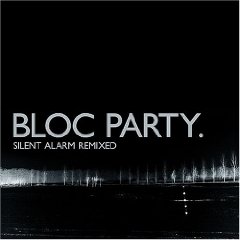

Background and concept
Remix albums like this one are created to offer fresh perspectives on familiar songs. Producers and remixers take the original stems—vocals, guitar, bass, drums—and reshape them by adjusting tempo, adding synths or beats, isolating motifs, or stretching passages into more atmospheric forms. The result is intended both for listening at home and for potential club play, and it highlights how a rock composition can be transformed by different production approaches.
Musical approach
The tracks on Silent Alarm Remixed commonly emphasize groove and texture over the precise rhythmic drive of the original recordings. Remixes often feature extended instrumental sections, reprocessed vocals, electronic percussion, and ambient layering. Some versions move songs toward downtempo or dub treatments; others incorporate house or glitch-inspired edits, revealing latent rhythmic and melodic elements in the source material.
Typical features of the release include:
- Rearranged song structures that lengthen or contract bridges and outros.
- Emphasis on production techniques—filters, delays, and synth pads.
- Contrast with the original album’s live-band energy, offering a studio-centric reinterpretation.
Although remix collections vary by market and format, this project served as a creative bridge between genres, introducing the band’s songs to audiences who favor electronic and experimental music while providing fans new ways to experience familiar tracks.
For listeners interested in exploring further, the remixed edition functions as both a historical footnote to the original release and a standalone statement on how alternative production can recast a record’s emotional and rhythmic character. More information and contemporary reviews can be found through music reference sources and the band’s discography pages.
Related articles
Author
AlegsaOnline.com Silent Alarm Remixed Leandro Alegsa
URL: https://en.alegsaonline.com/art/90381
Sources
- stylusmagazine.com : "Bloc Party: Silent Alarm Remixed"