
Simon Boccanegra (opera)
An overview of Giuseppe Verdi's Simon Boccanegra: its sources, two major versions (1857 and 1881), librettists, premiere venues and the opera's place in Verdi's work.
Overview
Simon Boccanegra is an Italian opera by Giuseppe Verdi. It tells a political and personal drama set in 14th-century Genoa and is structured in a prologue and three acts. The work is notable for its emphasis on civic themes, complex ensembles and a sombre, reflective atmosphere that differs from Verdi’s grand melodramas.
Image gallery
8 Images


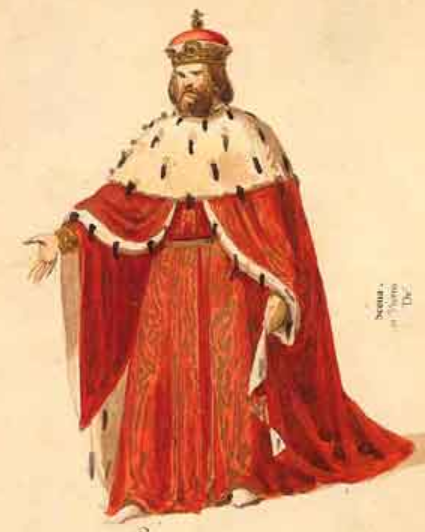


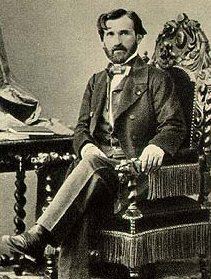
Libretto and source
The text was prepared as a libretto by Francesco Maria Piave, drawing on a Spanish play, Simón Bocanegra (1843) by Antonio García Gutiérrez. While the basic plot—about a doge who faces factional strife and a painful family history—comes from the play, the opera reshapes characters and scenes to suit musical drama, deepening psychological conflict and public-sphere consequences.
First performances and reception
The original version premiered at Teatro La Fenice in Venice on 12 March 1857. Contemporary reaction was mixed: some praised the dignity of the music and the moral seriousness, while others found the drama uneven and the score lacking immediately memorable arias. Because of this lukewarm reception Verdi later reconsidered the work.
Revision and the 1881 La Scala version
More than two decades after the premiere, Verdi returned to the opera with substantial revisions. He collaborated with the younger poet and dramatist Arrigo Boito who reshaped the text and helped reorganize the dramatic flow. The revised version was mounted at La Scala in Milan and first performed there on 24 March 1881. This latter edition corrected structural problems, added new music and is the version most often staged today.
Music, roles and structure
Verdi’s score combines intimate ensemble writing with choruses that evoke civic life. Key roles include the title figure, the tenor and soprano leads, and several supporting parts that embody rival political factions. Typical productions present:
- Principal roles: the Doge, the Doge’s daughter, a leading male ally and antagonists.
- Form: prologue plus three acts with recitatives, arias, ensembles and choruses.
Legacy and importance
Simon Boccanegra occupies a distinctive place in Verdi’s output: it bridges his middle and late styles, emphasises ensemble and civic choral writing, and influenced later depictions of political leadership in opera. Modern critics and audiences generally prefer the 1881 revision for its tighter drama and richer orchestration, and the opera is now regularly included in the international repertoire.
For further background see authoritative sources and program notes linked to contemporary editions and productions: general summaries, composer biographies, and specific entries on the libretto and original play at libretto resources and playwright studies. Historical performance details and venue histories can be found via references to La Fenice, Venice, La Scala and Milan, with dates noted at 1857 premiere and 1881 revision.
Questions and answers
Q: Who composed Simon Boccanegra?
A: Giuseppe Verdi composed Simon Boccanegra.
Q: How is the opera divided?
A: The opera is divided into a prologue and three acts.
Q: Who wrote the libretto for Simon Boccanegra?
A: Francesco Maria Piave wrote the libretto for Simon Boccanegra.
Q: What was the original story upon which Simon Boccanegra was based?
A: Simon Boccanegra was based on a play titled Simón Bocanegra (1843) by Antonio García Gutiérrez.
Q: When was Simon Boccanegra first performed?
A: Simon Boccanegra was first performed at Teatro La Fenice, Venice on 12 March 1857.
Q: Was the first performance of Simon Boccanegra successful?
A: No, the first performance of Simon Boccanegra was not very successful.
Q: What changes were made to Simon Boccanegra many years later?
A: Verdi made a lot of changes to Simon Boccanegra many years later. He was helped by the writer Arrigo Boito who made changes to the plot. The new version was first performed at La Scala, Milan on 24 March 1881, and this is the version that is normally performed today.
Related articles
Author
AlegsaOnline.com Simon Boccanegra (opera) Leandro Alegsa
URL: https://en.alegsaonline.com/art/90531