
Silent Hill 2: psychological survival horror and its legacy
Silent Hill 2 is a 2001 psychological survival horror game by Konami. Celebrated for atmosphere, symbolism, multiple endings and sound design, it established a landmark in narrative-driven horror gaming.
Overview
Silent Hill 2 is a psychological survival horror video game originally produced by Konami Computer Entertainment Tokyo and published by Konami. Released in the early 2000s for consoles and later ported to other platforms, it is the second title to carry the Silent Hill name but tells an independent, self-contained story rather than continuing the plot of the first game. The game is widely noted for shifting emphasis away from jump scares and action toward mood, symbolism and character psychology.
Image gallery
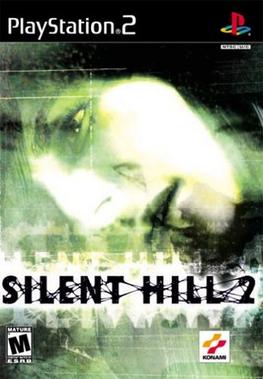
4 Images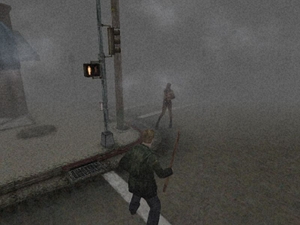

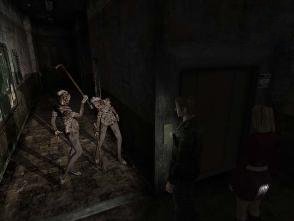
Story and themes
The central narrative follows James Sunderland, who travels to the fog-shrouded town of Silent Hill after receiving a letter from his deceased wife. Rather than a straightforward mystery, the game uses monsters, environments and supporting characters to reflect guilt, grief and repression. Key figures such as Maria and recurring symbols like Pyramid Head are interpreted as manifestations of inner conflict; the game intentionally invites multiple readings rather than offering a single clear explanation.
Gameplay and design
Gameplay blends third-person exploration, puzzle solving and limited combat. Players must investigate locations, manage scarce resources, and interpret cryptic clues while navigating claustrophobic interiors and deserted streets. The town's dense fog and constrained visibility are design tools that heighten tension. Sound and music play a central role: an atmospheric soundtrack and unsettling effects underscore the psychological tone.
Development and releases
The core production was handled by Konami's Tokyo studio; subsequent ports and remasters involved other teams for PC and high-definition versions. These later releases preserved the original's narrative and atmosphere while making technical adjustments for new hardware. The game is available across multiple generations of consoles and personal computers, often packaged with improved visuals or extras.
Reception, legacy and distinctions
Critics and players praised the game's mature storytelling, atmosphere and design, and it is frequently cited as a high-water mark for survival horror and psychological narratives in games. Notable distinctions include its standalone plot within a series, multiple endings that depend on player choices and behavior, and a range of symbolic interpretations that have attracted academic interest. A rarely seen hidden outcome and several canonical endings reward different play styles and discoveries.
Notable features
- Psychological horror emphasis over action.
- Multiple endings reflecting player decisions and actions.
- Sound design and music integral to atmosphere.
- Appearances of iconic imagery such as Pyramid Head.
- Porting and HD remasters by outside studios on later platforms.
Silent Hill 2 remains influential for designers and storytellers interested in using interactive media to explore memory, trauma and unreliable perception. For further background on the genre, production and community discussions, see linked resources and game histories.
Related articles
Author
AlegsaOnline.com Silent Hill 2: psychological survival horror and its legacy Leandro Alegsa
URL: https://en.alegsaonline.com/art/90385
Sources
- pc.gamespy.com : "Silent Hill 2"
- esrb.org : "ESRB: Silent Hill 2"
- gamefaqs.com : "Silent Hill 2: Release Data"
- gamefaqs.com : "Silent Hill 2: Restless Dreams: Release Data"
- gamefaqs.com : "Silent Hill 2 (PC): Release Data"
- gamefaqs.com : "Silent Hill HD Collection: Release Data"
- ca.ign.com : "Silent Hill 2"
- gamespot.com : "Silent Hill 2 Review"