
Sigfrid Edström
Swedish industrial leader and sports administrator (1870–1964), longtime executive at ASEA and president of the International Olympic Committee who helped restore the Olympic movement after WWII.
Sigfrid Edström (1870–1964) was a Swedish industrial executive and sports administrator known for his leadership in industry and in the Olympic movement. Trained as an engineer, he rose to prominence in Sweden's electrical and manufacturing sector and later took prominent roles in international sport governance.
Image gallery
1 Image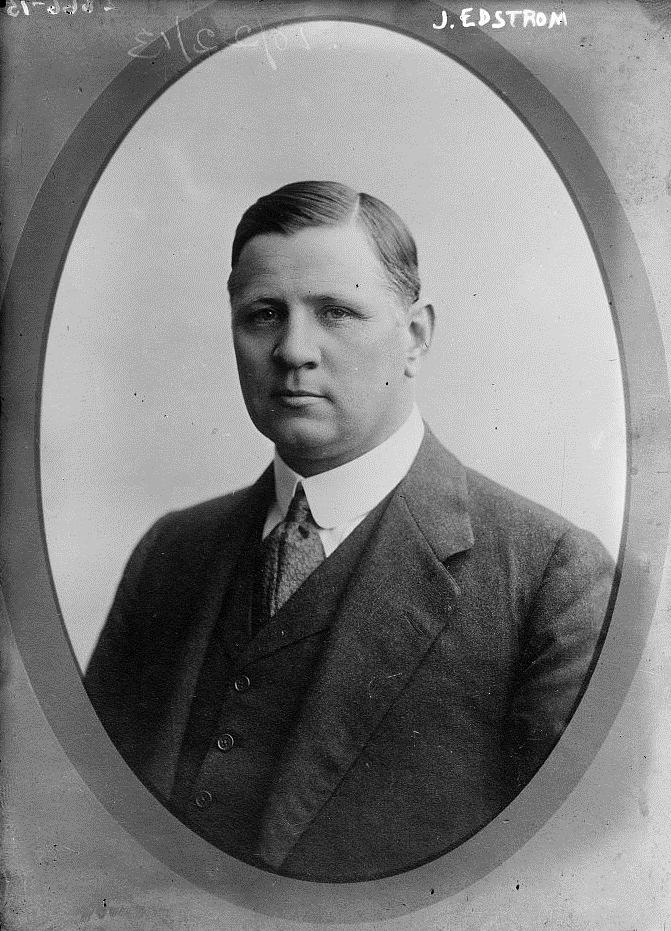
Industrial career and public life
Edström built his reputation as an industrialist through senior leadership at major Swedish engineering firms, where he focused on modernization, export development and organizational management. His business experience gave him a public profile that he used to support cultural and philanthropic initiatives. He served in a variety of civic and foundation roles, including as chairman of the Sweden-America Foundation, which promoted educational and cultural exchange between Sweden and the United States.
Role in the Olympic movement
Edström became involved with the Olympic movement in the interwar years and rose to its highest office during and after the Second World War. He served as acting head and later as president of the International Olympic Committee, guiding the organization through a period of recovery when the Games resumed after the wartime hiatus. His tenure coincided with the 1948 London Games and the immediate preparations that led into the early 1950s.
Positions and activities
- Senior executive in Swedish electrical and engineering industry
- Chairman of philanthropic and cultural bodies fostering international ties
- Senior official and president within the International Olympic Committee
As an administrator he emphasized rebuilding international sports relations, restoring regular Olympic competition, and balancing amateur ideals with the practical needs of organizing large-scale events. His business background influenced a managerial style that sought efficiency and stability.
Legacy and notable facts
Edström is remembered for bridging Swedish industrial leadership and international sport administration at a pivotal moment in the 20th century. Observers credit him with helping to re-establish the Olympic Games after World War II and with promoting international exchange through foundations and cultural initiatives. For further reading on his life and roles, consult biographical material and histories of mid-20th century Olympic governance.
Selected resources: industrial biography, foundation history, IOC archives overview.
Related articles
Author
AlegsaOnline.com Sigfrid Edström Leandro Alegsa
URL: https://en.alegsaonline.com/art/90300
Sources
- select.nytimes.com : "Edstrom Sails After 3-Week Visit to Industrialiasts Here"