
President of the International Olympic Committee
Head of the IOC Executive Board and principal representative of the Olympic Movement; responsible for governance, administration and promotion of the Olympic Charter and values.
The President of the International Olympic Committee (IOC) is the senior official charged with leading the organisation that governs the modern Olympic Movement. As the public face and internal chair of the IOC, the President guides the body's strategic direction, represents it internationally, and has primary responsibility for ensuring that the Olympic Charter and the decisions of the IOC Session are carried out.
Image gallery
10 Images




Role and responsibilities
The President chairs the IOC Executive Board and presides over meetings of the IOC Session, setting agendas and overseeing implementation of policy. The Executive Board itself is composed of the President, several Vice-Presidents and additional IOC members elected by the Session. Typical responsibilities of the President include:
- Governance: overseeing administration and management of IOC affairs and the execution of Session decisions.
- Representation: acting as the principal diplomatic and public representative of the Olympic Movement to governments, international organisations, national Olympic committees, and federations.
- Policy and strategy: proposing initiatives, commissions and reforms to adapt the Movement to changing global circumstances.
- Coordination: working with organising committees, international federations and athlete representatives to prepare and deliver Olympic Games and related programmes.
Selection and tenure
The President is elected by the IOC Session in a secret ballot, by a majority of voting members. The Olympic Charter and internal rules define the length of the mandate and any limits on re-election; these provisions have evolved over time as the IOC has updated its governance framework. Candidates are usually experienced IOC members or figures with long-standing involvement in sport and international organisation.
History and development
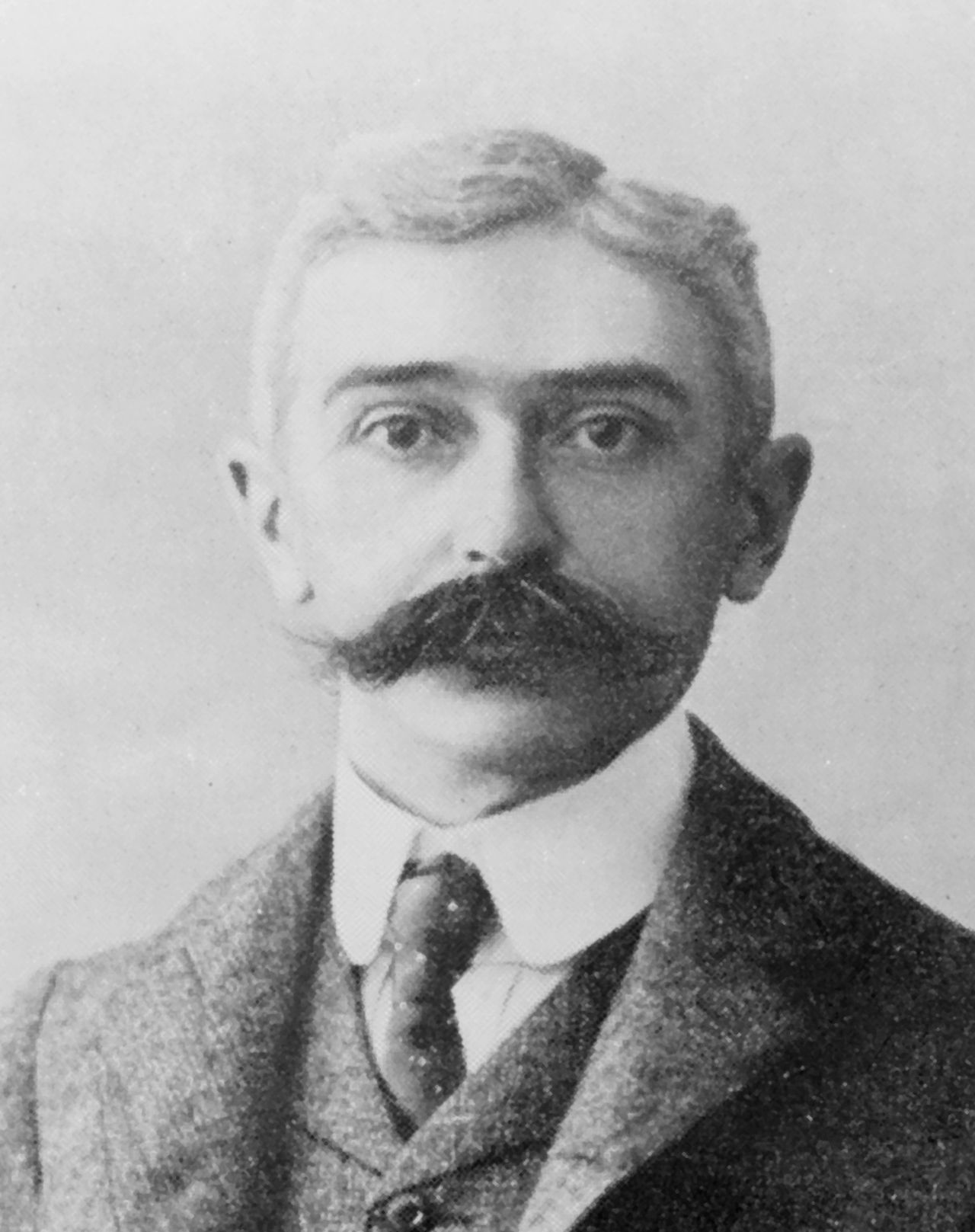
The office dates to the creation of the modern IOC by Pierre de Coubertin in 1894, who became the first President. Over more than a century the role has evolved from a largely ceremonial chair into a powerful executive post as the scale, complexity and global reach of the Olympic Games and associated programmes expanded. In the late 20th and early 21st centuries, successive presidents presided over reforms aimed at professionalising management, improving transparency and addressing ethical and commercial challenges.
Notable aspects and significance
Presidents often leave a distinct imprint through institutional reforms, the conduct of multiple Olympic Games and public diplomacy. The office balances sport, politics and commerce, and must safeguard the Movement's values while negotiating with broadcasters, sponsors, host cities and international authorities. Because of this mix of responsibilities, the President is one of the most visible figures in international sport and plays a central role in shaping how the Olympic Games respond to global trends and expectations.
For more information about the IOC's structure and the current holder of the Presidency, consult official IOC materials and the organisation's publications, including details available from the IOC.
Related articles
Author
AlegsaOnline.com President of the International Olympic Committee Leandro Alegsa
URL: https://en.alegsaonline.com/art/78894
Sources
- olympic.org : "Executive Board"