
Barn (agricultural building)
A barn is a farm building used to shelter livestock, store feed and equipment, and support agricultural work. Barns vary widely by design, materials, and regional traditions.
Overview
A barn is a multi-purpose agricultural building commonly found on a farm (see farm). Traditionally it provides shelter for animals such as cows, sheep, and horses (see horses), and space for storing harvested crops, fodder, and machinery. Barns are practical structures designed to protect animals and materials from weather while facilitating daily farm operations.
Image gallery
10 Images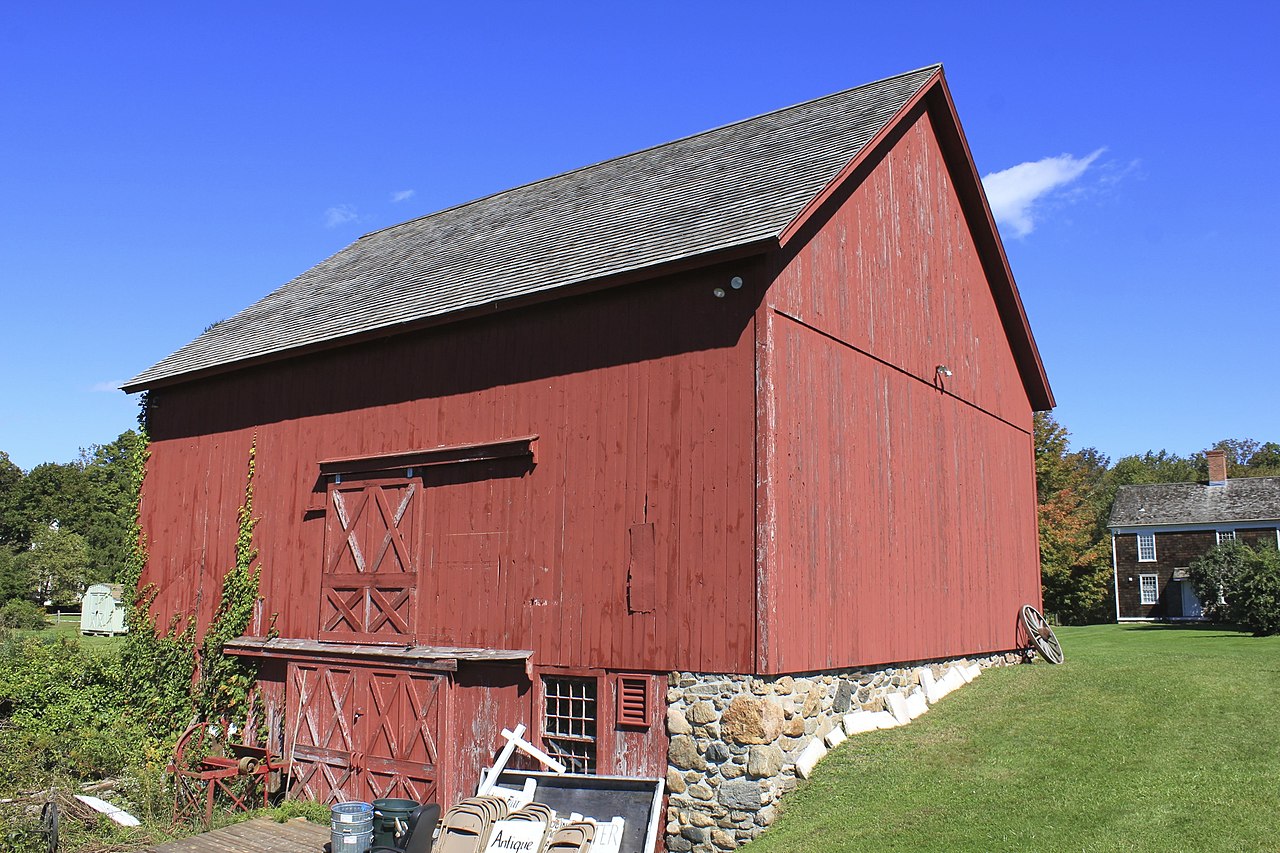


Design and main components
Barns range from simple sheds to large timber-framed structures. Typical components include a livestock area with stalls or pens, a hayloft or upper storage, doors for wagons or tractors, and sometimes an attached silo for grain. Construction materials vary: wood framing and board-and-batten siding are common in many regions, while stone, brick, or metal are used where those materials are more available or durable.
- Common features: hayloft, threshing floor, stalls, loft doors, cupolas or vents for ventilation.
- Roof forms: gable, gambrel (for extra loft space), shed, and monitor roofs among others.
History and regional variations
Barns have evolved over centuries to meet local climates, crops, and livestock needs. Designs such as the bank barn (built into a slope), the English barn, and the gambrel-roof barn reflect regional farming practices. Local materials and cultural traditions shaped proportions and decorative elements.
Uses and cultural importance
Beyond shelter and storage, barns serve as working spaces for threshing, milking, and equipment repair. They often embody rural heritage and can be landmarks in the countryside. Community building traditions, such as cooperative "barn raisings," illustrate their social role on some farms.
Preservation and adaptive reuse
Many historic barns are preserved for their architectural and cultural value. Adaptive reuse projects convert barns into residences, studios, event venues, or commercial spaces while retaining characteristic forms like the loft and large door openings. Conservation balances maintaining original features with practical upgrades for new uses.
Related articles
Author
AlegsaOnline.com Barn (agricultural building) Leandro Alegsa
URL: https://en.alegsaonline.com/art/9025