
Shrines and Temples of Nikkō
Historic complex in Nikkō, Tochigi, Japan, comprising 103 structures around two Shinto shrines and a Buddhist temple; noted for ornate architecture, cedar avenues and UNESCO World Heritage status.
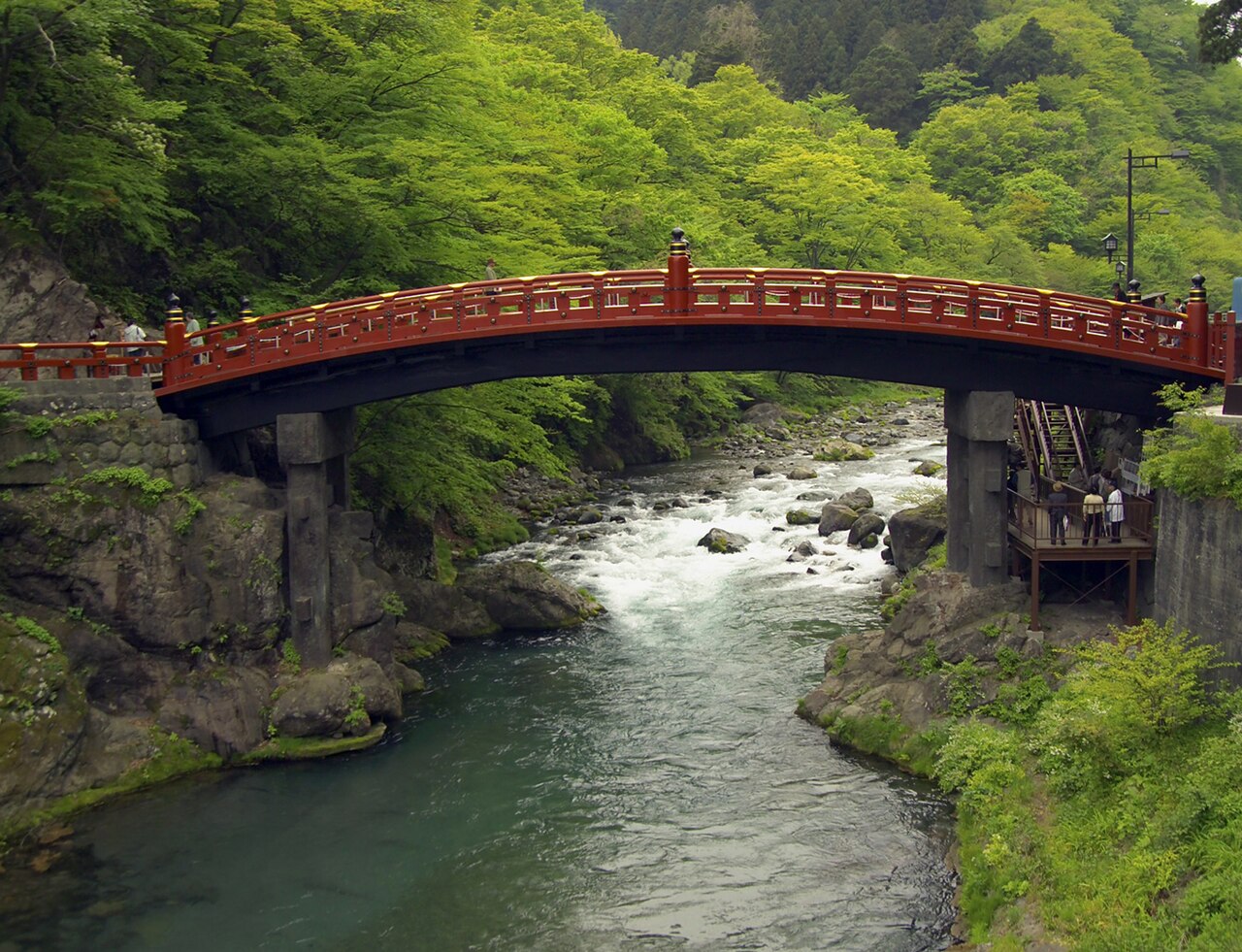
The Shrines and Temples of Nikkō form a compact but richly detailed cultural landscape near the city of Nikkō in Tochigi Prefecture, Japan. Designated a UNESCO World Heritage Site, the ensemble includes 103 buildings and ancillary structures set among sacred forest and mountain scenery. The site is best known for an unusual clustering of two important Shinto institutions and a major Buddhist temple whose precincts interweave architecture, sculpture and nature.
Image gallery
10 Images



Main components and distinguishing features
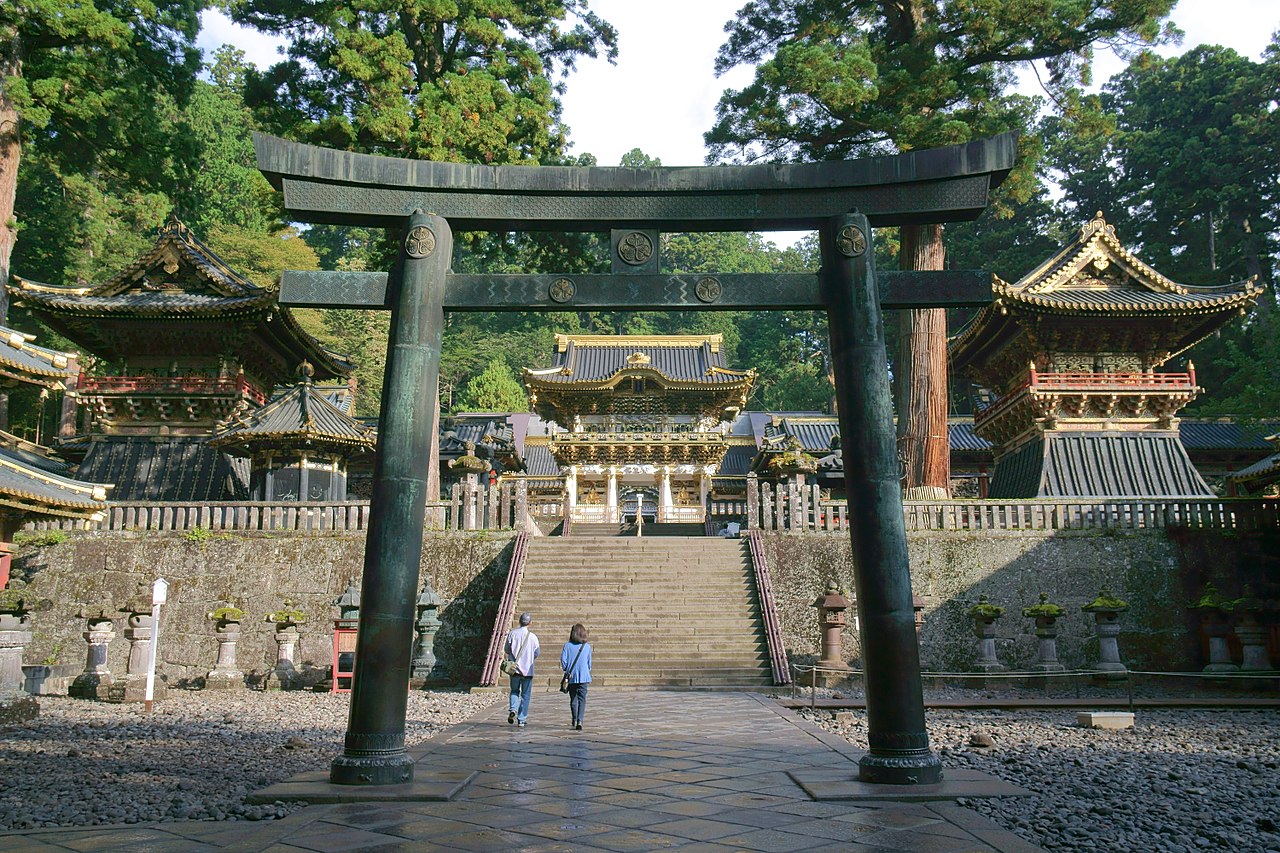
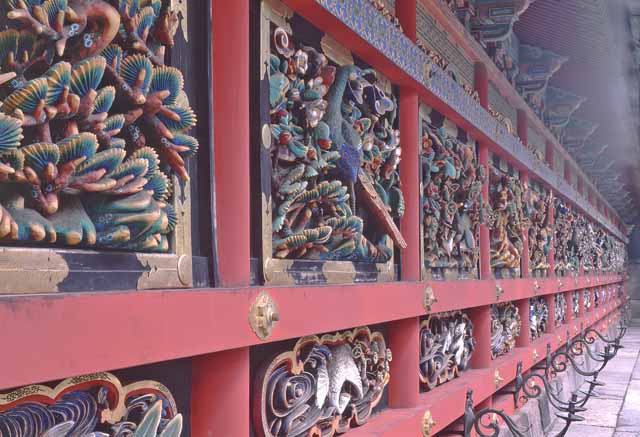
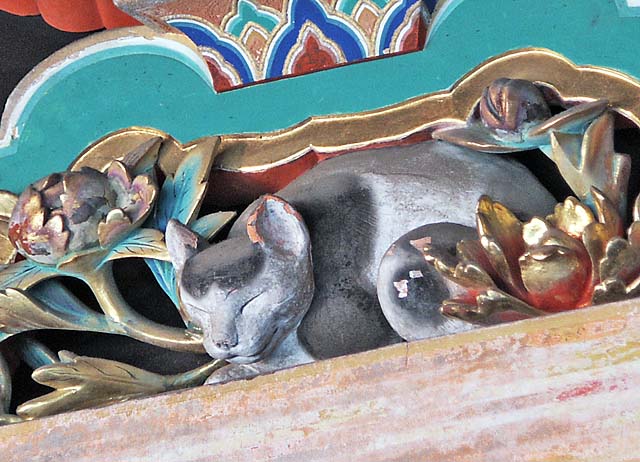
The designated area is centered on three principal complexes: a major Tokugawa-era shrine, an ancient mountain shrine and a venerable Buddhist temple. Together they display a broad range of decorative and structural techniques, including lacquer and gold leaf work, polychrome carving, and elaborate gates and pagodas. Visitors often note the ornate Yōmeimon gate, numerous pictorial carvings such as the “three wise monkeys,” and long cedar-lined approaches that contribute to the place’s atmosphere.
Which buildings are included
- Tōshō-gū — a lavish shrine complex associated with the Tokugawa shogunate and dedicated to Tokugawa Ieyasu.
- Futarasan Shrine — an older Shinto sanctuary connected to mountain worship and local kami.
- Rinnō-ji — a Buddhist temple complex with halls and carved Buddhist icons, reflecting a long religious presence in the region.
History and development
The religious sites around Nikkō grew over many centuries. A Buddhist monk credited with initiating mountain devotion in the area founded early sacred precincts in the 8th century, and the area’s importance increased in later eras, especially under the Tokugawa government when grand rebuilding and decoration raised the profile of Tōshō-gū. Historically, Shinto and Buddhist practices overlapped here, a characteristic mirrored in the proximity of shrines and temple buildings.
Cultural importance, access and visitor experience
As a World Heritage ensemble, the Shrines and Temples of Nikkō are valued both for their artistry and for the way they illustrate religious and political history in Japan. The site receives many pilgrims and tourists who come to admire craftsmanship, participate in seasonal rituals, or walk the cedar avenues toward mountain vistas. Interpretive panels, guides and conservation efforts help protect delicate woodwork and painted surfaces while explaining the site's multilayered meanings.
Notable facts and distinctions
- The ensemble preserves more than a century of decorative styles, with some structures dating to the Edo period and earlier traditions retained in shrine layout and ritual.
- It exemplifies the historical blending of Shinto and Buddhist elements, offering a clear case study for students of Japanese religion.
- The complex is often cited as a model of landscape integration, where sacred architecture is intentionally sited within natural cedar groves and mountainous backdrop.
For further study or planning a visit, readers can consult official tourism resources and conservation publications that describe access, seasonal events and the ongoing preservation work that protects these buildings and their setting. Photographs and maps are commonly available through local guides and cultural agencies. Learn more about the shrines or consult regional guides to understand opening times and visitor protocols.
Related articles
Author
AlegsaOnline.com Shrines and Temples of Nikkō Leandro Alegsa
URL: https://en.alegsaonline.com/art/90074
Sources
- whc.unesco.org : "Shrines and Temples of Nikkō"
- icomos.org : International Council on Monuments and Sites
- whc.unesco.org : "Advisory Body Evaluation"
- nikko.web.transer.com : "Summary of "shrines and temples of Nikko"