
Gluten: composition, culinary role, history and health considerations
Gluten is a family of grain proteins—chiefly gliadin and glutenin—found in wheat, rye and barley. It gives dough its elastic texture, has many culinary and industrial uses, and is linked to several health conditions.
Overview
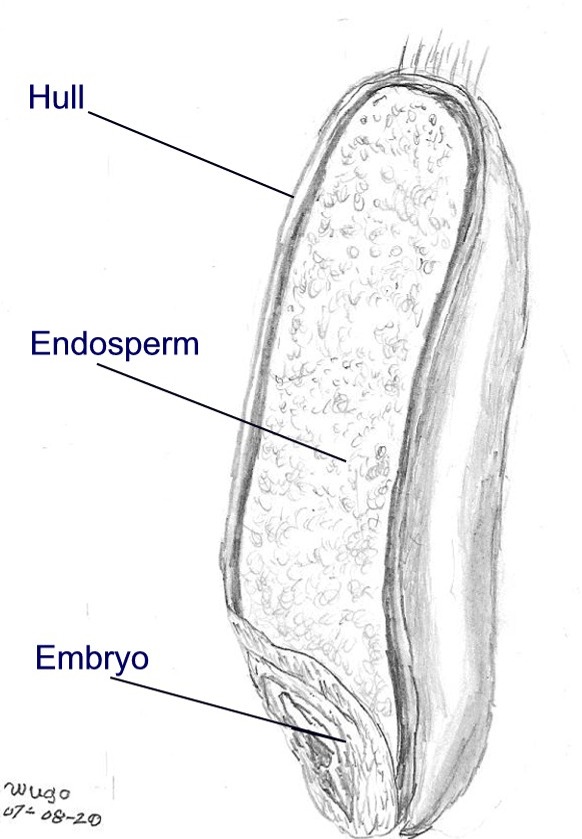
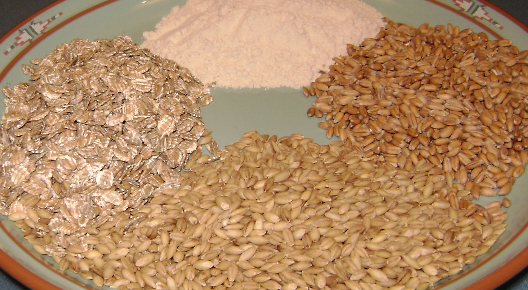
Gluten is the term used for the storage proteins that form a viscoelastic network in the seeds of certain cereal grasses. It is most often discussed in connection with bread and other baked goods because the protein network traps gas during fermentation and baking, producing volume and chew. The two major protein components are gliadin and glutenin, which together make up most of the protein in wheat grain. These proteins are concentrated in the endosperm of cereal seeds and occur in several grass-like grains, notably wheat, rye and barley.
Image gallery
9 Images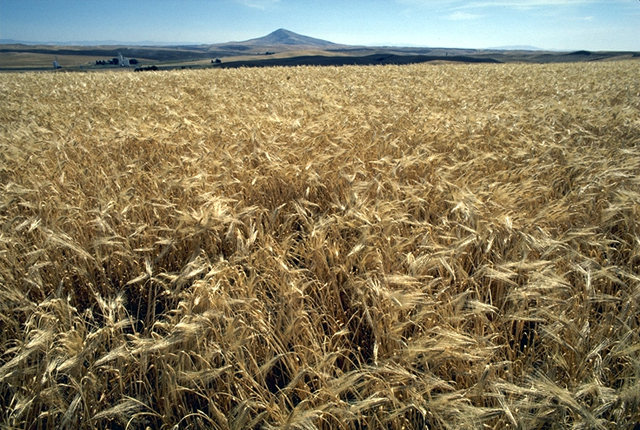



Composition and properties
Gluten forms when flour is hydrated and worked; glutenin chains provide elasticity while gliadin contributes extensibility and stickiness. The proteins are largely insoluble in water, which is why traditional methods isolate gluten by washing dough until the starch is removed; the remaining protein mass is sometimes called vital gluten or used directly as a meat substitute known as seitan. The washing process removes the starch and concentrates the protein.
History and production
Domestication of wheat and related cereals in the Neolithic era made gluten-containing grains central to many diets because they can be milled and leavened. Over centuries, milling technology and baking techniques were refined to exploit gluten’s unique behavior, producing a wide range of breads, pastries and pasta. Modern food processing also produces concentrated gluten ingredients used for texture and protein enrichment.
Uses and examples
- Baking: structure and crumb in breads and rolls.
- Pasta and noodles: elasticity and bite.
- Processed foods: stabilizer and binder; additives that improve texture or protein content.
- Meat alternatives: wheat gluten products used as vegetarian protein.
Health, regulation and distinctions
For most people gluten is a safe and nutritious protein source. A minority have immune-mediated conditions: celiac disease (an autoimmune enteropathy triggered by gluten), wheat allergy, or non-celiac gluten sensitivity. Celiac disease affects a small percentage of the population and requires strict dietary avoidance of gluten. To protect consumers, many jurisdictions adopt labeling rules; for example, many standards use 20 parts per million as a threshold for declaring a product "gluten-free." Oats do not contain the same gluten proteins but are often discussed with gluten because of contamination risks during growing or processing.
Notable facts: the balance between gliadin and glutenin varies by species and cultivar, affecting dough behavior; fermentation methods such as long sourdough processes can alter gluten and may reduce some immunogenic fragments, though they do not make gluten safe for people with celiac disease. For further technical information see sources on protein chemistry and cereal science (gliadin, endosperm, grain references).
Questions and answers
Q: What is gluten?
A: Gluten is a mixture of the proteins gliadin and glutenin found in wheat, rye, and barley.
Q: What part of the grain contains gluten?
A: Gluten is found in the endosperms of some grass-like grains such as wheat, rye, and barley.
Q: How much of the protein in wheat seed is made up of gliadin and glutenin?
A: Gliadin and glutenin make up about 80% of the protein contained in wheat seed.
Q: How can gliadin and glutenin be obtained from grains?
A: Gliadin and glutenin can be obtained from grains by washing away the starch in the grain.
Q: What is the importance of gluten as a food protein?
A: Gluten is an important source of food protein both in foods prepared directly from grains with gluten in them, and as an additive to foods that are low in protein.
Q: Which grains contain gluten?
A: Gluten is found in wheat, rye, and barley.
Q: Is gluten soluble in water?
A: Gluten is insoluble in water.
Related articles
Author
AlegsaOnline.com Gluten: composition, culinary role, history and health considerations Leandro Alegsa
URL: https://en.alegsaonline.com/art/39287
Sources
- fao.org : Bread Wheat, Improvement and production — FAO Plant Production and Protection Series No. #30.
- maswheat.ucdavis.edu : Marker Assisted Selection in Wheat, Quality traits. Gluten Strength, Coordinated Agricultural Project (funded by USDACREES)
- ars.usda.gov : Agricultural Databases, Statistics, etc.
- fp.cerealsandeurope.net : Cereal Chemistry and Dough Properties, KL1-Gluten Chemistry
- aaccnet.org : The Gluten Composition of Wheat Varieties and Genotypes