
Sibling species: cryptic close relatives separated by reproductive isolation
Sibling species are distinct species that are morphologically similar but reproductively isolated. They matter for evolution, disease transmission, pest control, and biodiversity assessment.
Overview
Sibling species (sometimes called cryptic species) are pairs or small groups of organisms that are nearly indistinguishable in outward appearance but are reproductively isolated and do not interbreed under natural conditions. They illustrate that visible similarity is not a reliable guide to biological distinctiveness: separate evolutionary lineages can retain almost identical morphology while diverging in genetics, behavior, ecology, or physiology.
Image gallery
10 Images





Characteristics and causes
What defines sibling species is reproductive isolation rather than form. Isolation may be maintained by differences in mating behavior, timing, habitat preference, or genetic incompatibilities that prevent viable or fertile offspring. Morphological characters used by taxonomists may be conserved while reproductive traits, pheromones, courtship songs, or chromosome structure change. In some groups, subtle anatomical or developmental features do differ but require expert study to detect.
Historical examples and significance
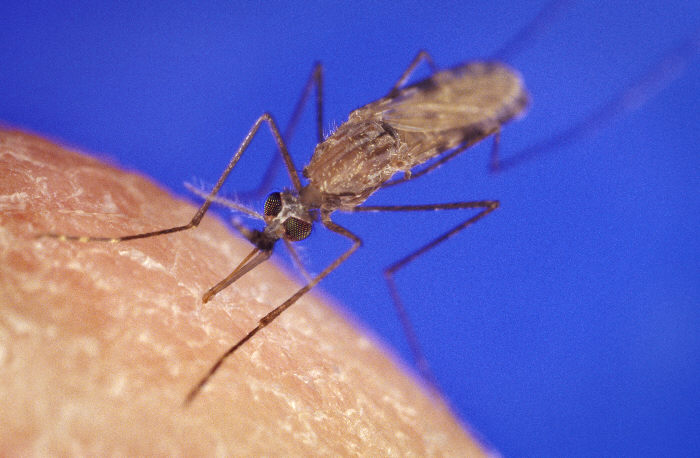
Classic examples have shaped our understanding of speciation. For instance, the fruit flies Drosophila pseudoobscura and Drosophila persimilis are nearly identical in appearance yet do not freely interbreed. Likewise, what was once treated as the single European mosquito species Anopheles maculipennis was later shown to be a complex of several sibling species, with important variation in their ability to transmit malaria. Those discoveries affected public health strategies and ecology by revealing that different cryptic taxa can have distinct roles as disease vectors or pests.
Methods of identification
Distinguishing sibling species typically requires more than external morphology. Common approaches include:
- Behavioral assays (mating trials, courtship observations).
- Genetic and genomic analyses (DNA sequencing, molecular markers).
- Chromosomal studies and karyotyping in taxa where inversions or rearrangements differ.
- Ecological and physiological tests (host preference, breeding habitat, seasonal timing).
Importance and implications
Recognizing sibling species affects conservation, agriculture, and disease control. Cryptic diversity means estimates of biodiversity can be substantially underestimated. In pest management, unrecognized sibling species may respond differently to control measures. In evolutionary biology, sibling species provide natural experiments for studying mechanisms of speciation, the role of sexual selection, and how reproductive barriers arise while morphology remains conserved.
Notable distinctions
Not all cryptic taxa are recent splits; some have long independent histories despite retaining similar looks. The term "sibling species" is reserved for very close pairs or small groups; broader cryptic species complexes may encompass more distant hidden diversity. Careful integrative study—combining behavior, ecology, morphology, and molecular data—is the modern standard for resolving these cases and clarifying their biological and practical significance.
Related articles
Author
AlegsaOnline.com Sibling species: cryptic close relatives separated by reproductive isolation Leandro Alegsa
URL: https://en.alegsaonline.com/art/90178