
Shefford, Bedfordshire: history, archaeology, and community overview
Shefford is a market town and civil parish in Central Bedfordshire, England, with Roman roots, medieval market traditions and a modern community centred on a historic ford and local amenities.
Shefford is a market town and civil parish in Central Bedfordshire, England. The modern settlement grew up at a crossing of the local stream, the River Flit, and retains a compact high street and community centred on its historical market rights. The 2011 census recorded a population of about 5,880; the town forms part of the wider Central Bedfordshire unitary authority rather than an independent municipal district. For a local overview see Shefford town and for county context consult sources on Bedfordshire and England.
Image gallery
5 Images
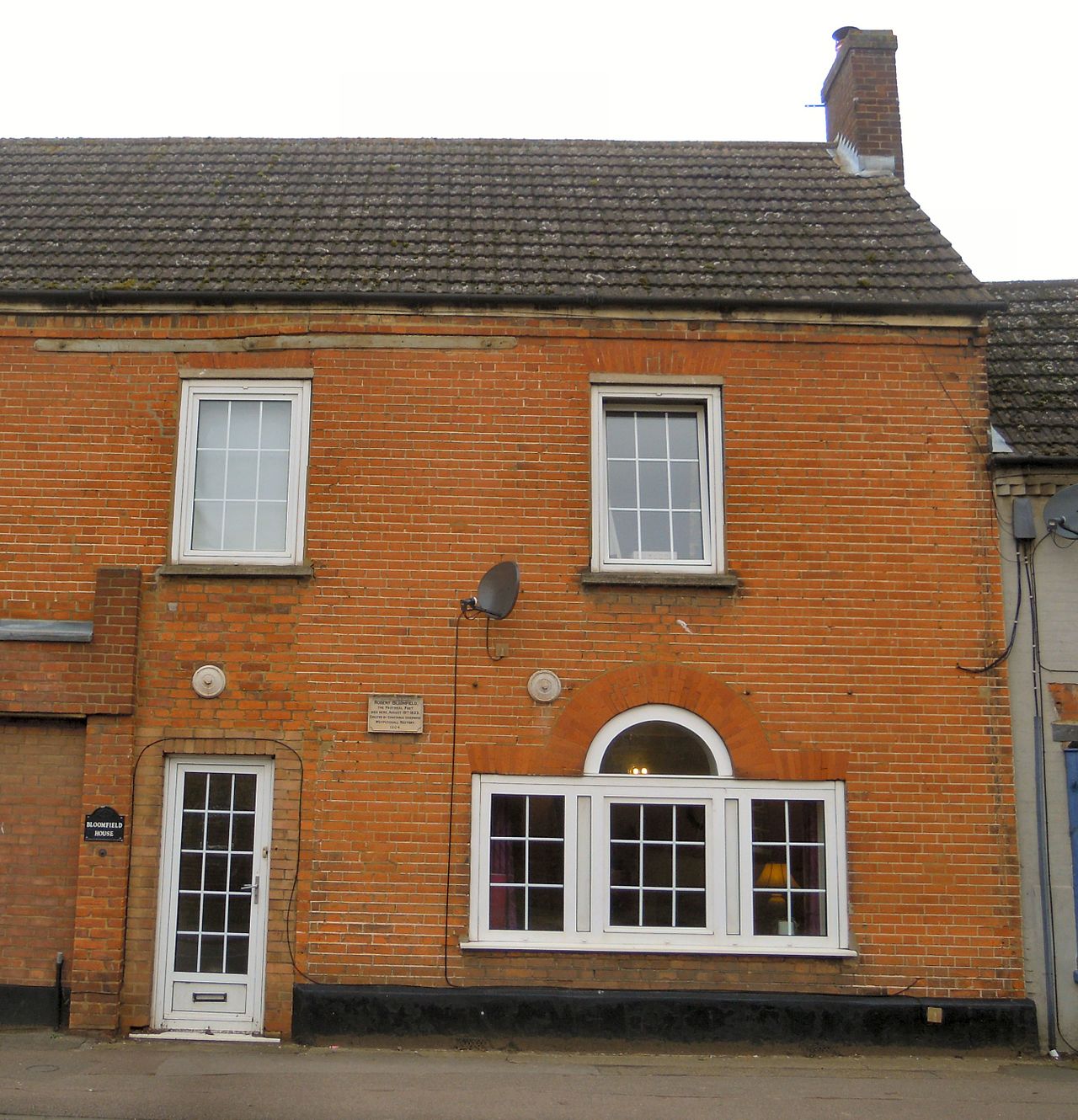


Archaeology and early settlement
Archaeological finds indicate human activity in the area from at least the Roman period. Excavations and surface finds have revealed evidence consistent with Roman occupation during the 1st century AD, suggesting the site was used for travel or settlement on a north–south route through this part of the country. General summaries of these discoveries can be found through local heritage reports and broader archaeological references: archaeological surveys and finds records provide further detail. The proximity to a natural ford made the location attractive for crossing and habitation; later medieval development amplified the settlement's role as a market town.
Medieval charters, market and fair
Shefford’s market tradition is medieval in origin. A formal charter to hold a market was granted in 1225, establishing the town as a local centre for trade. Another charter in 1312 authorised an annual fair at Michaelmas (traditionally 29 September), a festival that, in various forms, has continued into modern times as a community street fair held each autumn. For historical records on medieval charters and fairs see Roman and medieval records and contemporary compilations: early charters. The continuity of market activity is one reason the town retained a distinct civic identity despite being split between neighbouring parishes for many centuries.
Religious and civic development
In the 14th century a chapel was built to serve local worshippers; although much of that medieval building has not survived, part of the old church tower remains as a historical feature within the town. Shefford was historically divided among the parishes of Clifton, Campton, Meppershall and Southill and was often referred to in records as Shefford-cum-Campton. It was not until the early 19th century that the settlement was constituted as its own parish. Local ecclesiastical and civil records offer more on these arrangements; see parish histories and registers at historic parish sources and church archives.
Later growth, amenities and modern community
From the 19th century onward Shefford developed with modest residential growth, local trade and services to support surrounding rural areas. Today the town hosts primary education, local shops, community organisations and recreational facilities typical of a small English market town. Transport links connect residents to larger centres in Bedfordshire and neighbouring counties; local planning documents and community guides describe facilities and services in more detail: see local council resources and community information.
Notable facts and distinctions
- Shefford’s recorded market and fair charters date to the 13th and early 14th centuries, marking a long tradition of local commerce.
- Roman-period finds attest to human activity at the site from the 1st century AD onward, indicating continuity of settlement in the area.
- Although historically split among several ancient parishes, Shefford became a distinct civil parish in the early 1800s and now sits within the Central Bedfordshire unitary authority.
For further reading, local museums and archives hold catalogues and reports; general reference and visitor information can also be found via town and county web pages: additional resources.
Related articles
Author
AlegsaOnline.com Shefford, Bedfordshire: history, archaeology, and community overview Leandro Alegsa
URL: https://en.alegsaonline.com/art/89591
Sources
- visitshefford.co.uk : "Shefford's History"