
Sheave (mechanical): definition, parts, history and uses
A sheave is a grooved wheel or roller that guides belts, ropes or cables; used alone or in blocks to change direction, support loads and form pulleys in machines and rigging.
A sheave is a wheel or roller with a circumferential groove designed to guide and retain a belt, rope, chain or cable as it moves. The term is often used interchangeably with pulley, but strictly speaking a sheave is the grooved wheel element while a pulley may refer to the assembly that includes one or more sheaves plus its supporting frame. The groove profile and diameter affect how the flexible element seats and how much wear it will cause on both the sheave and the rope. wheel and groove geometry are central to performance.
Image gallery
10 Images




Components and characteristics
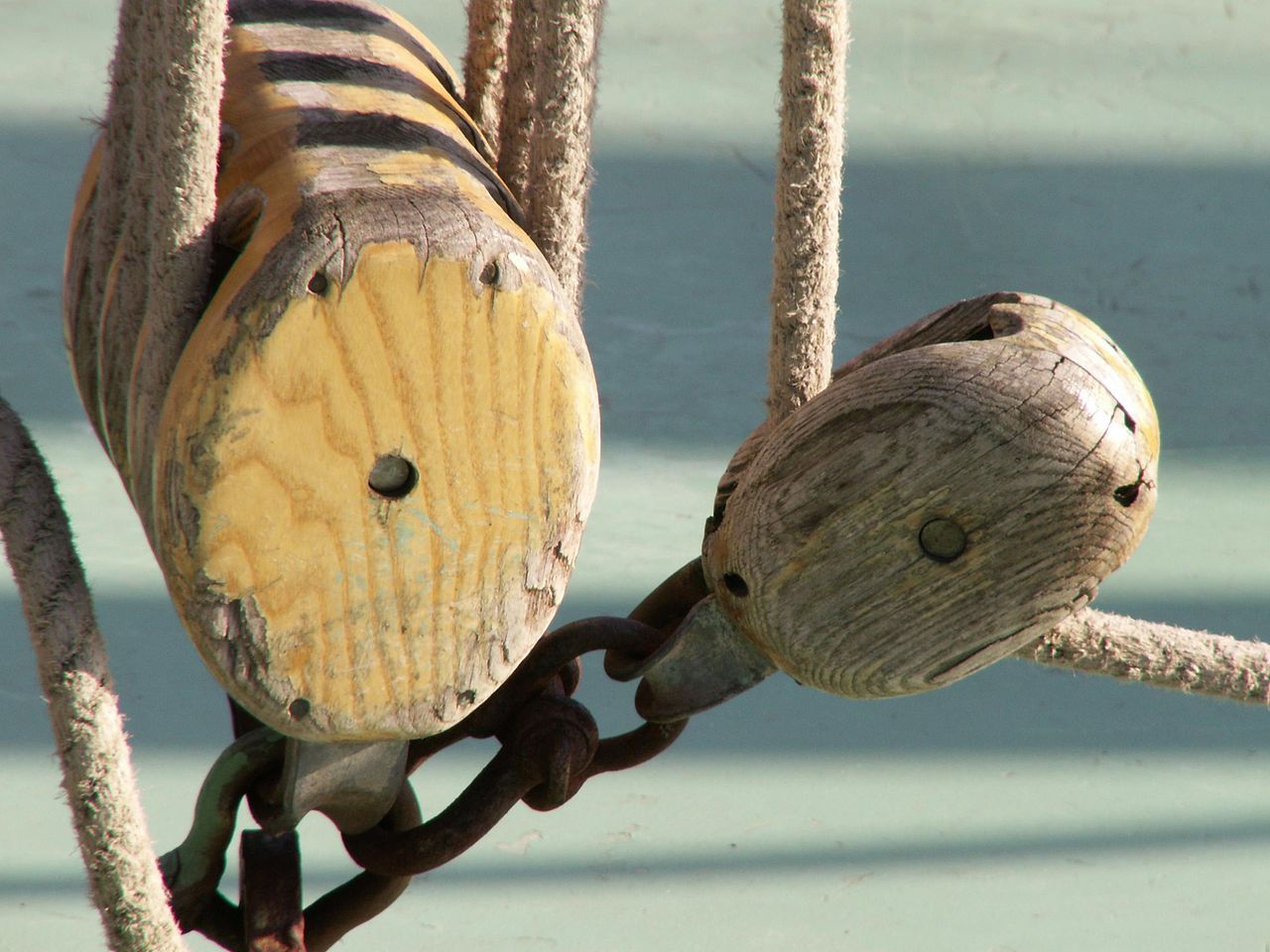
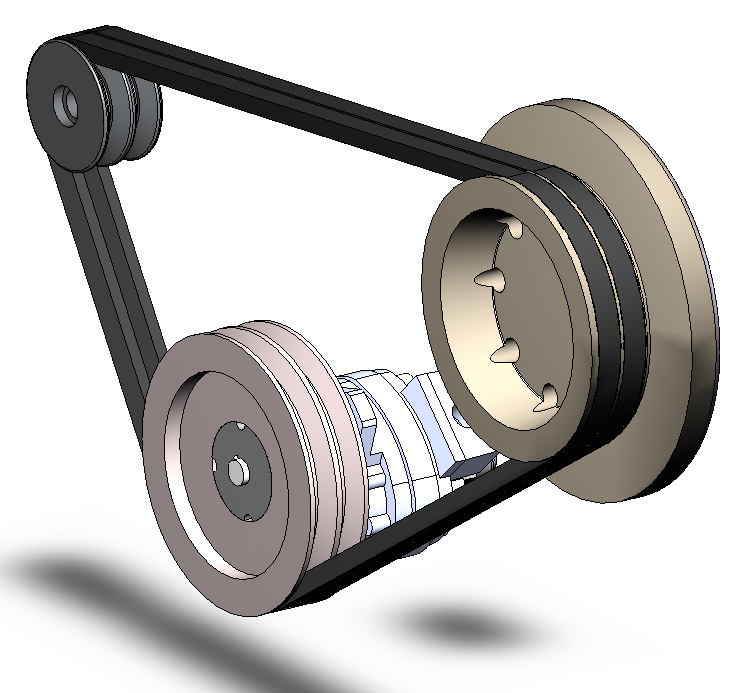
Typical parts of a sheave include the rim (bearing the groove), a hub for mounting, and either a bearing or bushing to enable rotation. Grooves can be V-shaped for belts, U-shaped for ropes, or crowned for flat belts. Materials range from wood and bronze in historical examples to steel, aluminum and engineered polymers in modern designs. Bearing choices (plain, roller, ball) influence friction, maintenance intervals and load capacity. belt and rope compatibility is specified by groove form and diameter.
How sheaves work
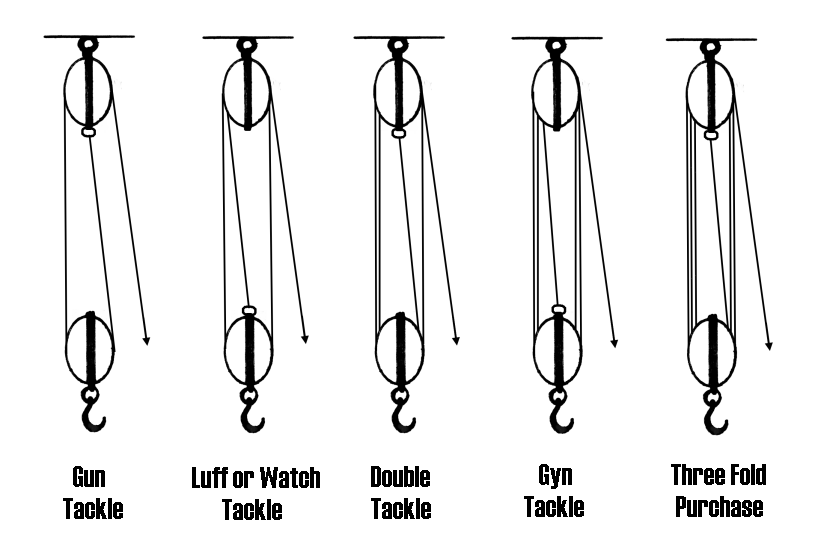
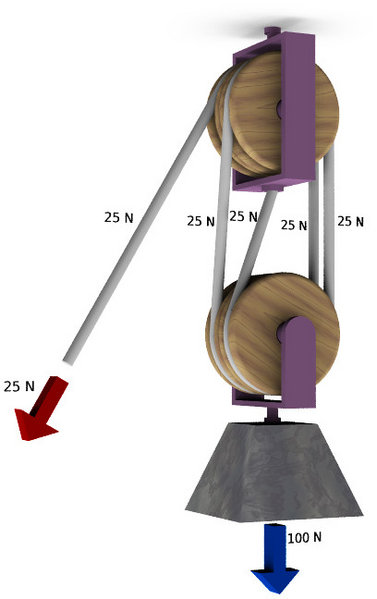
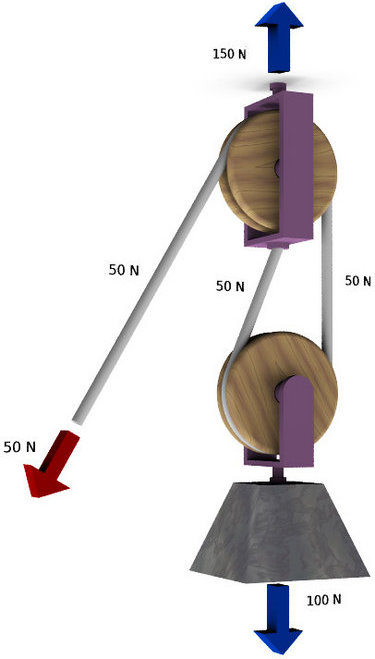
Used singly a sheave mainly changes the direction of a tensioned line. When combined in blocks (multiple sheaves) they form mechanical advantage systems known as block-and-tackle, allowing heavy loads to be lifted with reduced input force. Efficiency depends on friction in the bearings and bending stiffness of the rope or belt; real systems lose some force to heat and wear. Sheaves also maintain alignment and reduce localized wear compared with running a line over a plain surface. pulley arrangements often use several sheaves to multiply force or alter motion paths.
History and development
Sheaves and pulley systems have ancient roots in Mediterranean and Asian engineering, appearing in cranes, water-raising devices and ship rigging. Wood and metal sheaves were refined through the medieval period and the Age of Sail. Industrialization brought standardized bearings, threaded hubs and high-strength alloys, expanding uses into mining, construction and manufacturing. Modern designs incorporate finite-element analysis and polymer composites to balance weight, strength and wear life. Historical images and diagrams can be consulted at archival resources.
Common applications and maintenance
Sheaves appear in cranes, elevators, winches, stage rigging, cable cars, automotive timing systems and conveyor drives. Routine inspection looks for groove wear, corrosion, bearing play, and proper seating of the line. Lubrication and replacement schedules are guided by load cycles and environmental exposure; damaged sheaves can accelerate line failure and create safety hazards. Example uses include a single sheave to change crane hook direction and multiple sheaves in a block to lift heavy loads.
Distinctions and notable facts
- Distinction: a sheave is the rotating grooved element; a pulley can mean the full assembly — though everyday usage overlaps.
- Pronunciation: some dialects say "shiv"; technical contexts typically prefer "sheave."
- Selection: match groove type, diameter and bearing to the line material to minimize wear and maximize efficiency. rope and wheel selection are often specified together by manufacturers.
For further technical specifications, standards and selection guides consult manufacturer datasheets and engineering handbooks. Groove profiles and load tables provide the details needed for safe design and operation. Belt drives and cable systems remain central technologies in lifting and power transmission across industries.
Related articles
Author
AlegsaOnline.com Sheave (mechanical): definition, parts, history and uses Leandro Alegsa
URL: https://en.alegsaonline.com/art/89570