
Shays' Rebellion: 1786–1787 uprising of indebted farmers in Massachusetts
An armed uprising of rural Massachusetts farmers (1786–1787) protesting debt, taxes, and court actions; its suppression exposed weaknesses of the Confederation and influenced calls for a stronger national government.
Overview
Shays' Rebellion was an armed protest centered in western and central Massachusetts in 1786–1787. It is named for Daniel Shays, a former Continental Army captain who became one of the movement’s leaders. The insurgents, often called Shaysites or Regulators, were mainly small farmers, many of them Revolutionary War veterans, who faced mounting economic distress and aggressive debt collection. The crisis culminated in attempts to close county courts and in an effort to seize weapons stored at the federal Springfield armory in early 1787.
Image gallery
10 Images





Causes and grievances
Several interrelated factors drove the unrest. After the American Revolution the new nation experienced economic contraction, scarcity of currency, and falling agricultural prices. State governments imposed taxes that had to be paid in hard currency; many rural households did not have enough of that money. Creditors pursued overdue loans and foreclosures, and courts scheduled hearings that could lead to imprisonment or loss of property. Protesters framed their actions as defending the liberty won in the Revolution, rejecting what they saw as unjust debts and harsh enforcement.
Course of the uprising
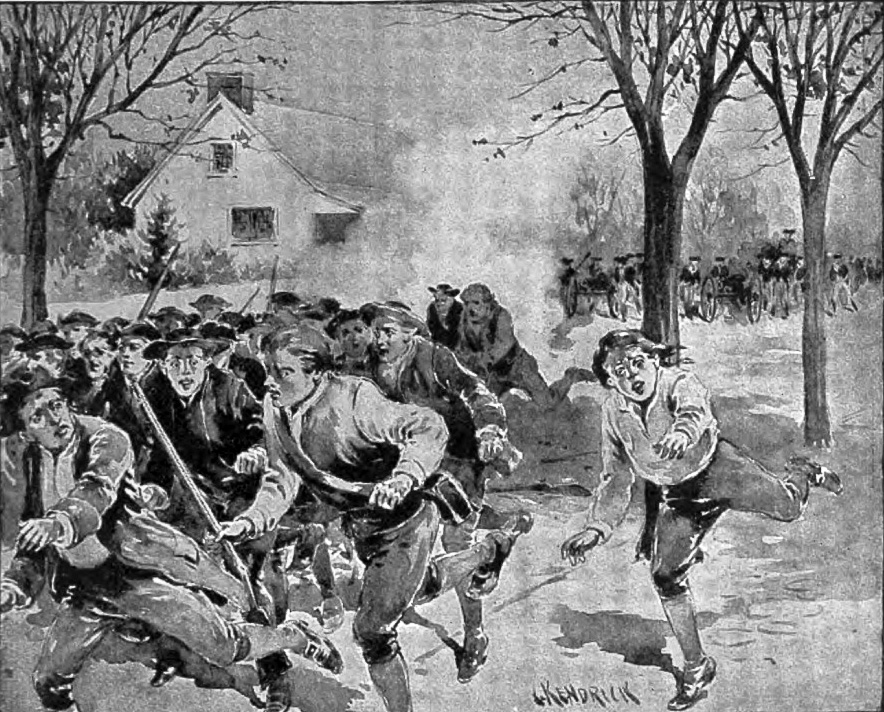
The movement began with petitions and local crowd actions, then escalated to direct interference with the legal system: demonstrators forcibly closed county courts to halt foreclosures and trials. In January 1787 a larger body of insurgents marched on Springfield to prevent the transfer of arms and to challenge the state government. Local officials and property holders organized a military response: a force raised and funded largely by eastern merchants and state authorities confronted the rebels. By February the rebellion had been broken, and many participants were arrested; several received pardons or had sentences commuted in the months that followed.
Participants, tactics, and symbols
- Composition: primarily indebted farmers, veterans, and their supporters from rural towns.
- Leadership: informal and local, with figures such as Daniel Shays providing focal leadership for some operations.
- Tactics: mass mobilization, court closures, marches, and attempts to seize arms.
- Symbols: protestors used familiar Revolutionary-era symbols like liberty poles and references to the language of rights and resistance.
Suppression and immediate aftermath
The uprising was suppressed by a combination of state militia and privately funded forces. A well-known response involved a militia organized by state authorities and financed by eastern interests; this force moved to disperse insurgent gatherings and secure armories. After arrests and occasional skirmishes, the emergency subsided. Trials of insurgents produced a mixture of punishments, pardons, and political debate. The episode left many towns divided and highlighted the fragile authority of state governments under the Articles of Confederation.
Historical significance and legacy
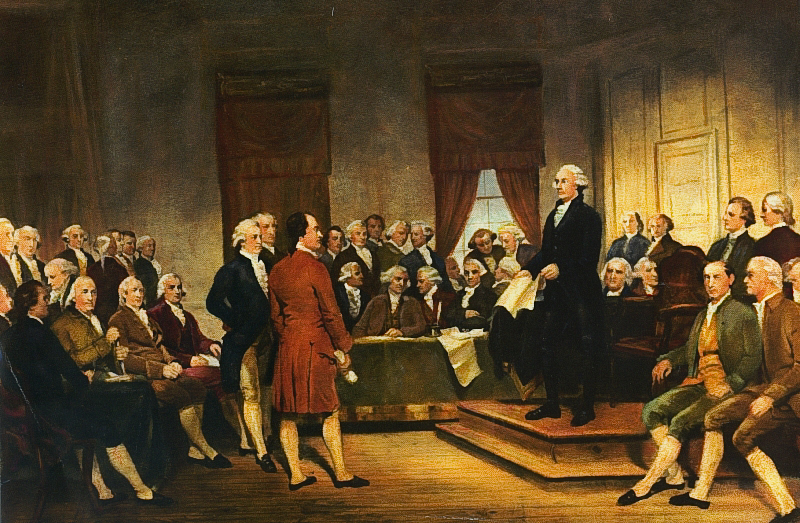
Shays' Rebellion became a touchstone in debates about national stability and the need for a stronger central government. Contemporary observers interpreted the disorder as evidence that the Confederation lacked adequate means to maintain order and protect property, an argument that strengthened support for convening the Constitutional Convention. Historians continue to view the rebellion as both an expression of popular economic distress and a catalyst for political change. For additional contextual reading about the setting and institutions involved, see materials on Springfield, debt and economic policy (debt), and the role of armed forces and militias in the 1780s (militia).
Related articles
Author
AlegsaOnline.com Shays' Rebellion: 1786–1787 uprising of indebted farmers in Massachusetts Leandro Alegsa
URL: https://en.alegsaonline.com/art/89555