
Shooting of Michael Brown and its aftermath
The 2014 shooting of Michael Brown in Ferguson, Missouri, the ensuing protests, investigations, legal outcomes, and its impact on policing, race discourse, and reform debates in the United States.
Overview
On August 9, 2014, an encounter in Ferguson, United States, resulted in the fatal shooting of Michael Brown, an 18-year-old African American. The officer involved was Darren Wilson, serving as a police officer. Reports stated that Brown was unarmed at the time and that he did not have a criminal record, a detail highlighted in early coverage and public discussion (no criminal record).
Image gallery
10 Images



The encounter and evidence
Accounts of the confrontation varied. Witness testimony differed about whether Brown had a physical altercation with the officer, how many shots were fired, and where Brown was located when struck. Some witnesses described a struggle near the patrol vehicle; others described Brown as fleeing. Physical evidence, forensic analysis and witness statements were later used by investigators and by a grand jury to assess what occurred, producing contrasting interpretations that fed public debate.
Immediate aftermath and protest
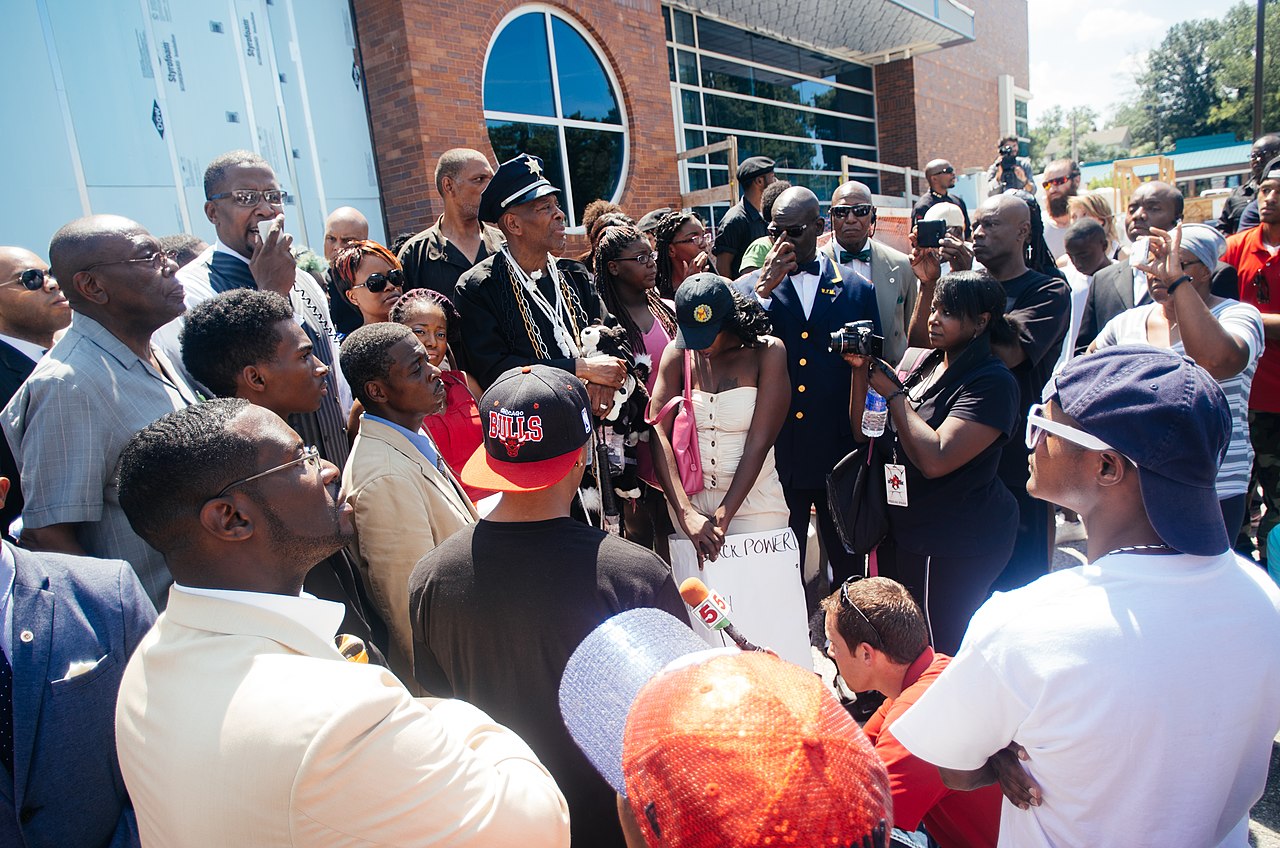
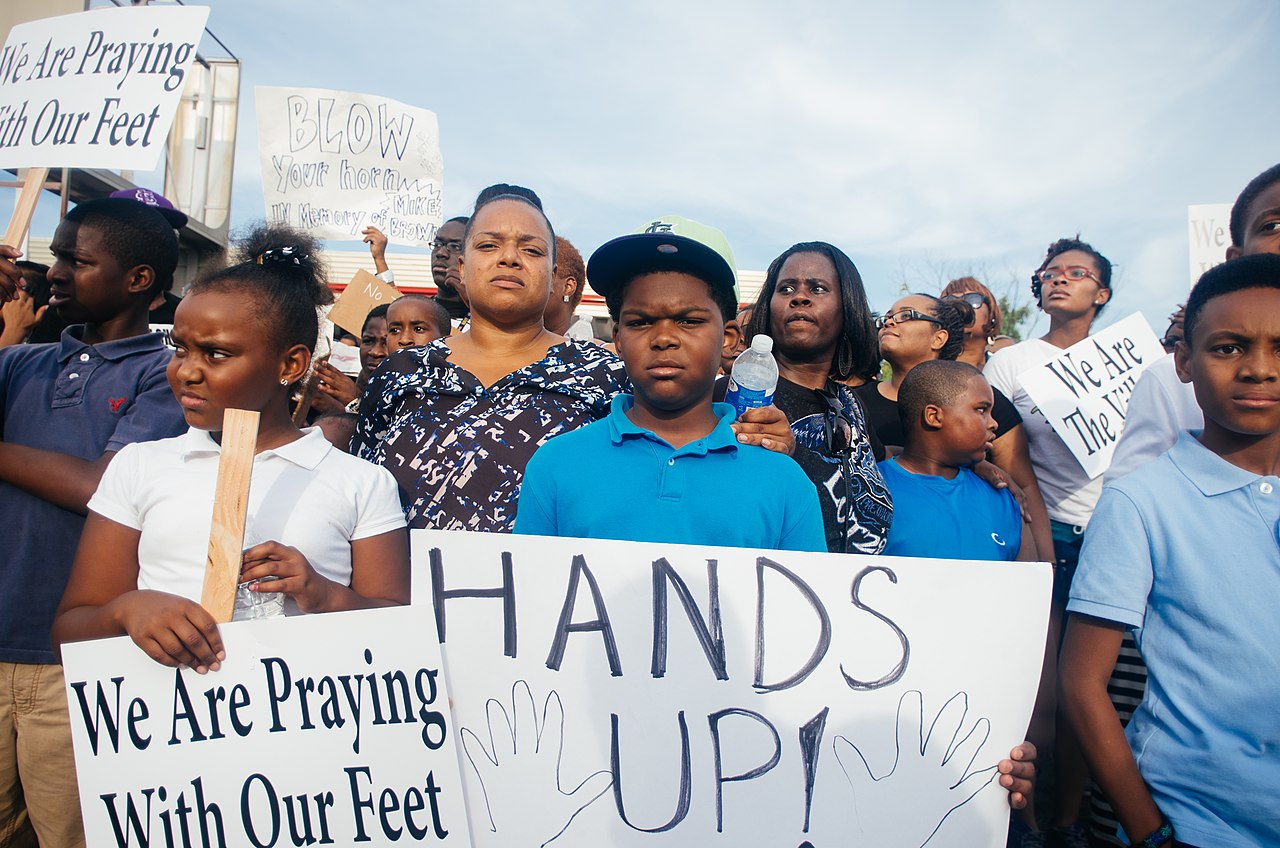
The shooting sparked large-scale demonstrations in Ferguson and beyond. Initial gatherings were peaceful, but some events escalated into confrontations with police, looting and property damage, which many sources described as protests and some as riots. Media organizations gave extensive coverage to the events and to the social issues they raised (media), particularly concerns about racism, racial disparities in law enforcement and the racial composition of local police forces compared with residents.
Investigations, legal outcome, and official actions
Federal and local authorities reviewed the case. The FBI opened a probe and federal civil-rights authorities investigated potential violations (civil rights). A county grand jury ultimately declined to indict the officer, and later Department of Justice reporting concluded there was insufficient evidence to bring federal criminal charges against the officer. Separately, a broader Department of Justice review identified patterns of unconstitutional policing and discriminatory practices by the Ferguson police department, prompting reform recommendations. The officer was placed on administrative leave and later resigned.
National reaction and proposals for reform
The shooting prompted statements from political leaders and activists and became a focal point in national debates on policing and race. Public figures, including Rand Paul, Hillary Clinton, Al Sharpton and Bernie Sanders, commented on the incident and its implications. Calls for policy changes grew, including proposals for wider use of body-worn cameras by police; a high-profile petition sought a law requiring cameras on officers.
Significance and legacy
The death of Michael Brown became a touchstone for the emerging Black Lives Matter movement and for broader discussions about accountability, transparency and community trust in law enforcement. It contributed to reforms in many jurisdictions, increased adoption of body cameras, and renewed attention to how policing practices affect communities of color. The episode also led to public memorials and a funeral service that drew national attention, and it remains a widely cited example in debates over policing, civil rights and social justice in the United States.
- Key investigative steps: local police report, forensic review, grand jury consideration, federal civil-rights inquiry (FBI, civil rights).
- Public responses: protests and unrest in Ferguson (protests, riots), broad national media attention (media).
- Political and advocacy reactions: statements from national figures (Rand Paul, Hillary Clinton, Al Sharpton, Bernie Sanders) and campaigns for policy change (petition).
The shooting of Michael Brown remains a significant event in recent American history because it crystallized debates about race, policing practices and the mechanisms used to investigate officer-involved shootings. For further contextual reading about Ferguson, policing reforms and community responses, consult dedicated reports and analyses by civil-rights organizations and government reviews (Ferguson overview, press coverage).
Questions and answers
Q: What happened on August 9, 2014 in Ferguson, Missouri?
A: On August 9, 2014 in Ferguson, Missouri, Michael Brown was shot several times by Darren Wilson, a 28-year-old white police officer.
Q: Was Michael Brown armed or did he have a criminal record?
A: No, Michael Brown was not armed and he did not have a criminal record.
Q: How did people respond to the shooting of Michael Brown?
A: People responded to the shooting of Michael Brown with protests and riots in Ferguson as well as media coverage throughout the United States. They also discussed how it related to racism in the United States.
Q: What action did the Federal Bureau of Investigation take after the shooting?
A: The Federal Bureau of Investigation (FBI) opened a civil rights investigation into the shooting.
Q: Who released statements about Brown's death?
A: President Obama, Rand Paul, Hillary Clinton, Al Sharpton and Bernie Sanders all released statements about Brown's death.
Q: What petition was created after his death?
A: A petition asking for a law named after Michael Brown that would require all police to wear cameras had over 132,000 signatures.
Q: What happened to Darren Wilson after the incident?
A: After the incident Darren Wilson went on administrative leave and then resigned on November 29th 2014.
Related articles
Author
AlegsaOnline.com Shooting of Michael Brown and its aftermath Leandro Alegsa
URL: https://en.alegsaonline.com/art/89972
Sources
- online.wsj.com : "Vigil Turns Violent"
- bizjournals.com : "Brown Had No Criminal Record"
- washingtonpost.com : washingtonpost.com/news/post-nation/wp/2014/08/11/fbi-opens-investigation-into-shooting-o…
- petitions.whitehouse.gov : petitions.whitehouse.gov
- bbc.com : "Ferguson protests largely peaceful"
- abcnews.go.com : "Darren Wilson Resigns From Ferguson Police Force"
- bbc.com : "Funeral held for Ferguson teenager"
- hollywoodreporter.com : "VMAs: Common Leads Moment of Silence for Ferguson"