
Siege of Fort Zeelandia (1661–1662)
The 1661–1662 siege by Koxinga that ended Dutch colonial rule at Fort Zeelandia in Taiwan and led to the short-lived Kingdom of Tungning.
Overview
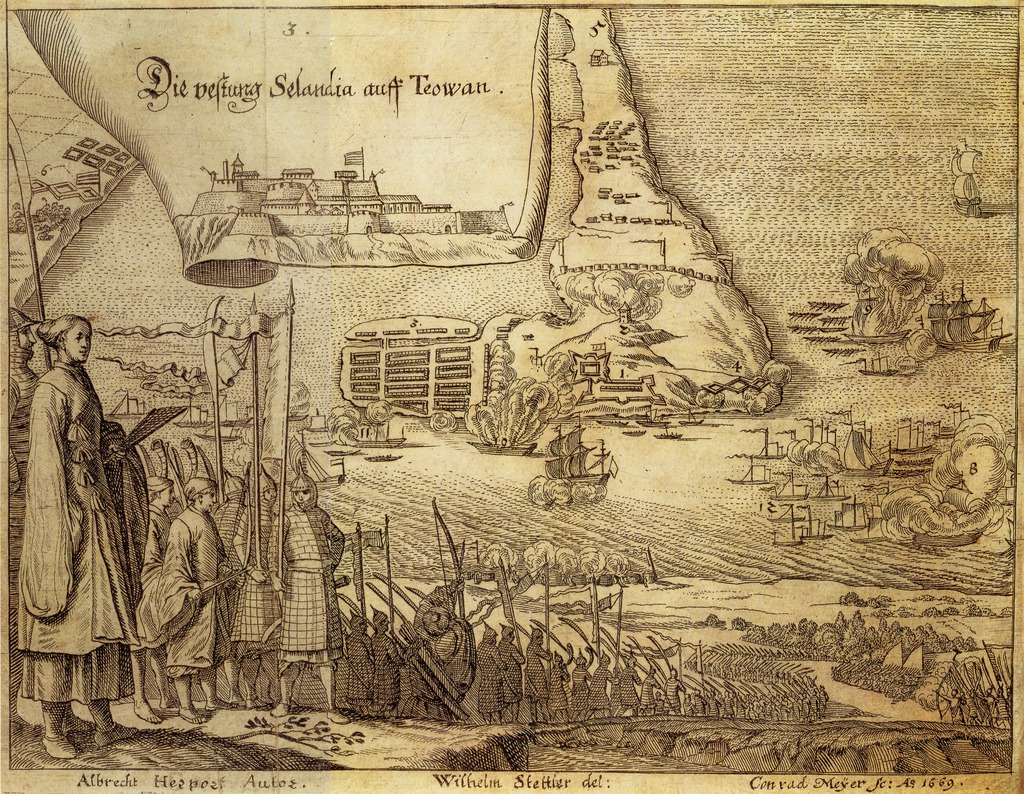
The Siege of Fort Zeelandia was a decisive military campaign in 1661–1662 in which the Ming loyalist leader Koxinga (Zheng Chenggong) attacked the Dutch-held stronghold on the island of Taiwan. The operation culminated in the surrender of the Dutch garrison and ended formal rule by the Dutch East India Company on the island. After the contest Koxinga established the Kingdom of Tungning, which used Taiwan as a base of operations against the Qing dynasty on the mainland.
Image gallery
10 Images



Context and background
The campaign took place against the backdrop of the Ming–Qing transition on the Chinese mainland. Koxinga was a prominent maritime commander and Ming loyalist who sought refuge and a secure base after losing territory to the Qing. The Dutch had maintained a trading and colonial presence on Taiwan since the early 17th century; Fort Zeelandia, located in present-day Anping (Tainan), was their principal administrative and military center.
Forces, fortifications, and logistics
Fort Zeelandia was a fortified European bastion adapted to local conditions, defended by a mixed garrison of Dutch soldiers, local recruits, and foreign mercenaries. Koxinga assembled a large fleet of war junks and transports and relied on supply lines from coastal ports and alliances with local groups. Key features included:
- European-style ramparts and cannon emplacements at Fort Zeelandia.
- Koxinga's use of fast-moving naval squadrons and land detachments to isolate the fort.
- Blockade tactics intended to cut Dutch access to reinforcements and provisions.
Course of the siege
The siege unfolded over several months, combining naval engagements, bombardment, and encirclement. Koxinga's forces gradually tightened control of surrounding territory, undermining Dutch resupply efforts. Disease and shortages aggravated the defenders' situation. Negotiations followed the military stalemate; ultimately the Dutch commander agreed to capitulate and evacuate the fort, ending VOC authority on the island.
Aftermath and significance
With the Dutch departure, Koxinga established a base of government and military operations that became known as the Kingdom of Tungning. Taiwan entered a new political phase, serving both as a refuge for Ming loyalists and a staging area for resistance against the Qing. The event is widely regarded as a turning point in Taiwan's early modern history: it shifted the island from European colonial rule to local Sinicized governance and altered regional power dynamics in East Asia.
Notable points and legacy
The siege is remembered for its mix of naval and siege warfare, its role in the broader Ming–Qing struggle, and its long-term cultural and political effects on Taiwan. Contemporary accounts emphasize both Koxinga's determination to secure a strategic base and the difficulties European powers faced when operating far from home waters. Today the site of Fort Zeelandia and the story of the siege figure in historical narratives about colonialism, national identity, and the contested past of Taiwan.
Koxinga | Taiwan | Siege | Dutch East India Company | Kingdom of Tungning
Questions and answers
Q: What is the Siege of Fort Zeelandia?
A: The Siege of Fort Zeelandia refers to Koxinga's Invasion of Taiwan in 1661-1662.
Q: Who was involved in the Siege of Fort Zeelandia?
A: The Dutch East India Company and the Kingdom of Tungning were involved in the Siege of Fort Zeelandia.
Q: What was the outcome of the Siege of Fort Zeelandia?
A: The outcome of the Siege of Fort Zeelandia was the end of the Dutch East India Company's rule over Taiwan, and the Kingdom of Tungning ruling over the island.
Q: When did the Siege of Fort Zeelandia occur?
A: The Siege of Fort Zeelandia occurred between 1661 and 1662.
Q: What impact did the Siege of Fort Zeelandia have on Taiwan?
A: The Siege of Fort Zeelandia was a significant event in Taiwan's history, as it determined the fate of the island for the next 400 years.
Q: Who was Koxinga?
A: Koxinga was a Chinese military leader who led the invasion of Taiwan during the Siege of Fort Zeelandia.
Q: How is the Siege of Fort Zeelandia remembered in history?
A: The Siege of Fort Zeelandia is remembered as a turning point in Taiwan's history that ended the Dutch East India Company's rule over the island and marked the beginning of a new era of Asian rule over the area.
Related articles
Author
AlegsaOnline.com Siege of Fort Zeelandia (1661–1662) Leandro Alegsa
URL: https://en.alegsaonline.com/art/90248
Sources
- kungfucinema.com : Kung Fu Cinema