
Shawnee — Native American people of the Central and Eastern Woodlands
Overview of the Shawnee: language, social divisions, history, cultural practices, and modern tribal status, with links to further resources.
Overview
The Shawnee are an Indigenous people of the Central and Eastern Woodlands of North America. Historically they lived across the Ohio Valley and adjacent regions and are recorded in a variety of places, including parts of present-day Tennessee (see sources). They are a distinct tribal nation with a long history of seasonal movement, mixed subsistence, and intertribal relations.
Image gallery
9 Images


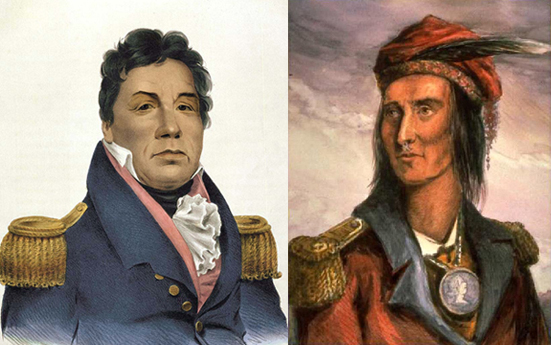


Language and organization
The Shawnee language belongs to the Algonquian family. Traditional Shawnee society was organized into several divisions or bands that performed political, ceremonial, and military roles. Commonly cited divisions include:
- Chillicothe
- Hathawekela
- Kispoko
- Mekoche
- Pekowi
These divisions could act as autonomous towns or kin groups and helped shape leadership and decision-making. Kinship, clan-like affiliations, and councils were important to community governance.
History and movements
From the 17th century onward the Shawnee experienced sustained contact with Europeans, shifting alliances, warfare, and pressures from expanding colonial and later United States populations. Prominent Shawnee leaders—most notably Tecumseh and his brother Tenskwatawa—played leading roles in resistance and in attempts to form broader Indigenous alliances in the early 19th century. During the 19th century many Shawnee were displaced westward through treaties and forced removals into Indian Territory (present-day Oklahoma) and other regions.
Culture and subsistence
Traditional Shawnee lifeways combined agriculture, hunting, fishing, and gathering. Corn (maize), beans, and squash were staples; deer and other game supplied meat and hides. Ceremonial life featured seasonal ceremonies, storytelling, and oral traditions that transmitted law, history, and relations with neighboring peoples.
Modern status and significance
Today Shawnee people are citizens of several federally recognized tribes, including the Shawnee Tribe, the Absentee Shawnee, and the Eastern Shawnee, each maintaining cultural programs, language revitalization efforts, and community institutions. Contemporary Shawnee communities balance cultural continuity with modern civic life, preserving traditions while engaging in economic, educational, and political initiatives.
Notable facts: The Shawnee played a central role in early American frontier history and in Indigenous resistance movements; their language and social divisions remain important to cultural identity and revival work.
Related articles
Author
AlegsaOnline.com Shawnee — Native American people of the Central and Eastern Woodlands Leandro Alegsa
URL: https://en.alegsaonline.com/art/89551
Sources
- ok.gov : Oklahoma Indian Nations Pocket Pictorial.
- ethnologue.com : "Algonquian, Algic"
- dc.library.okstate.edu : "Treaty with the Shawnee, 1825, Article 5, Page 264"
- govtrack.us : "Text of S. 3019 (106th): Shawnee Tribe Status Act of 2000 (Introduced version)"
- ethnologue.com : "Shawnee"