
Sicilians: People, Language and Culture of Sicily
People native to Sicily, an autonomous Italian region. Sicilians have a distinct language and culture shaped by millennia of Mediterranean influences and a wide diaspora.
Overview
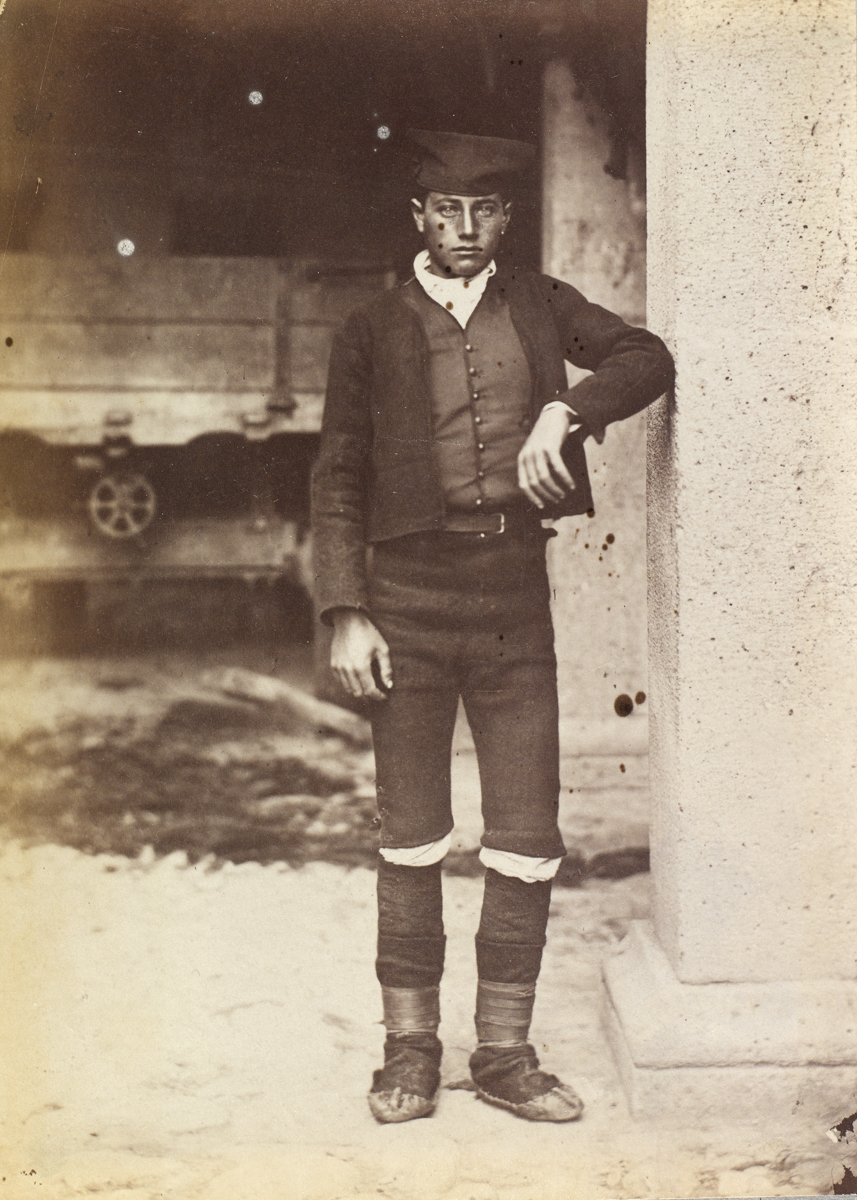
Sicilians are the people native to the island of Sicily, the largest island in the Mediterranean and an autonomous region of Italy. The population of the island traces a long, layered history of settlement and cultural exchange. Many Sicilians speak both the regional Sicilian language and standard Italian: see the regional tongue at Sicilian and the national language at Italian.
Image gallery
10 Images



Characteristics and identity
Sicilian identity combines local traditions, dialects, and family ties with broader Italian citizenship. The Sicilian language is a Romance language with its own internal varieties and many lexical influences from Greek, Arabic, Norman French, Spanish and others. Everyday life on the island reflects a Mediterranean climate and an economy long based on agriculture, fishing, crafts and, increasingly, tourism and services.
Historical background
The island has been a crossroads since antiquity: Greek colonies were established in the first millennium BCE, followed by Roman rule, Byzantine administration, Arab governance, Norman and later Spanish dynasties. Each era left visible marks in architecture, place names, cuisine and customs. Sicily was a kingdom in the Middle Ages and later became part of unified Italy during the 19th century political process commonly called the Risorgimento.
Culture, language and arts
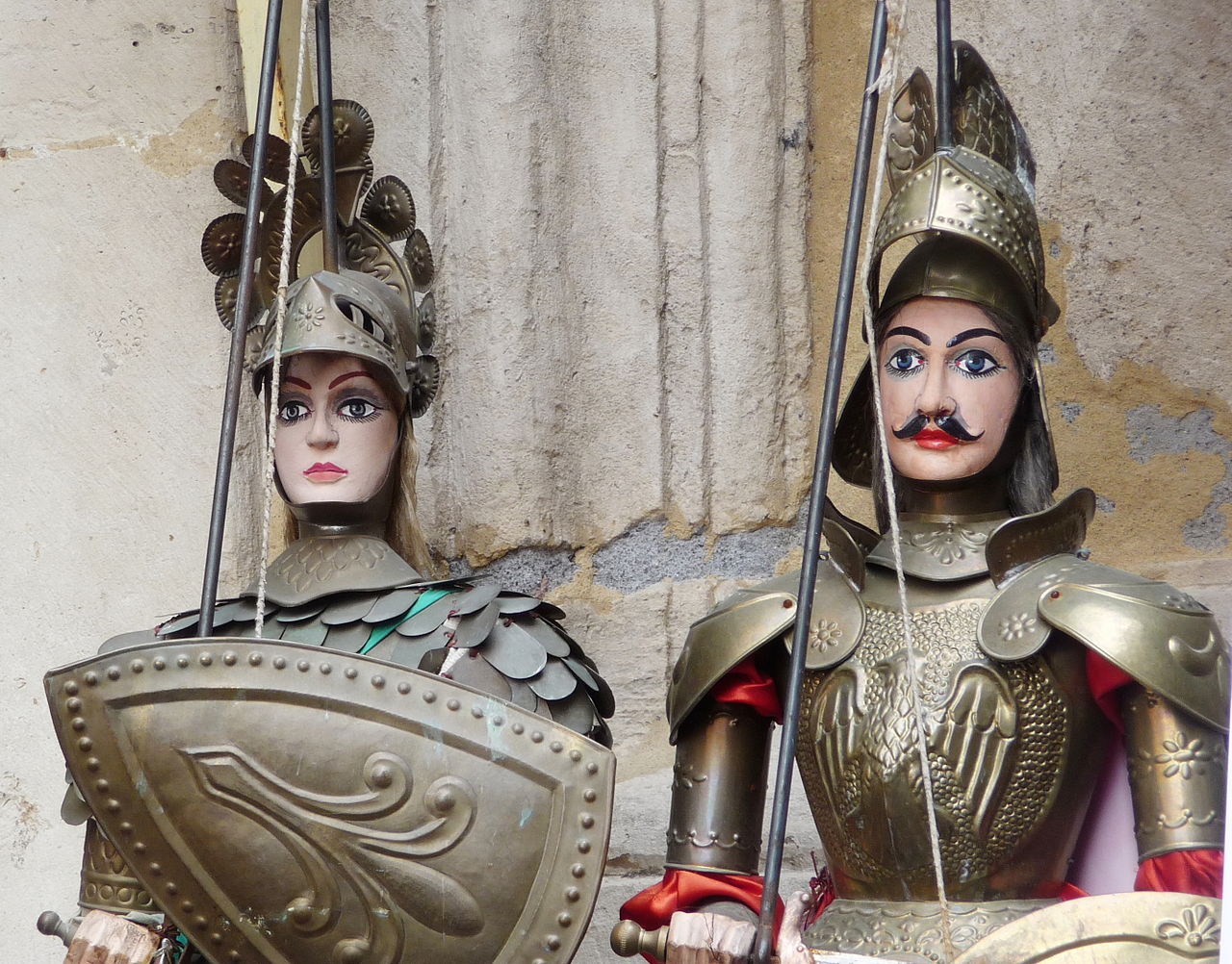
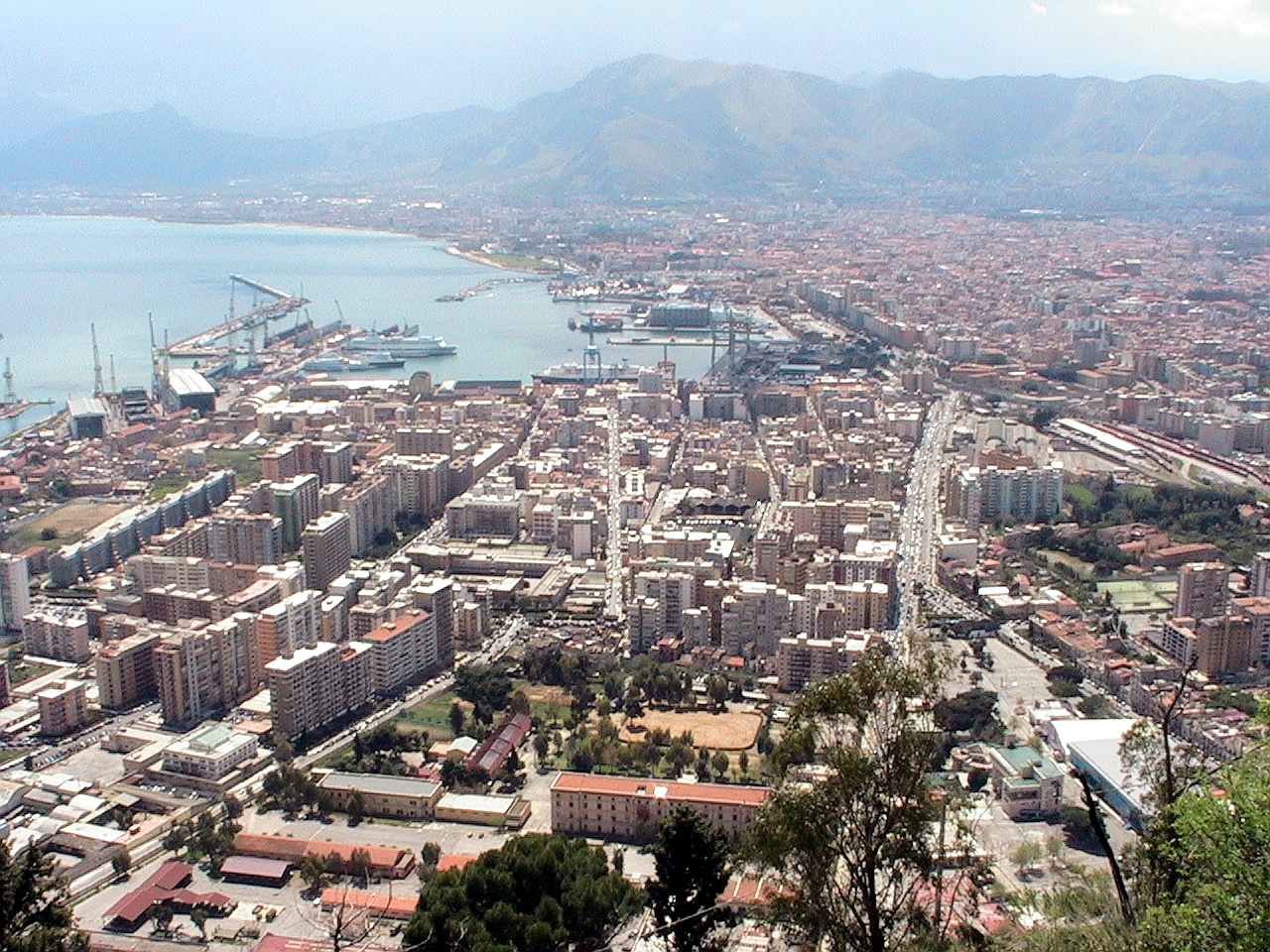
Sicilian culture is notable for its cuisine (olive oil, citrus, pasta, seafood, distinctive sweets), folk music, puppet theatre and festivals. Cities such as Palermo, Catania, Messina and Syracuse host archaeological sites, Baroque architecture and lively markets. Sicilian literature and poetry have produced important regional voices, and the island’s traditions appear in visual arts, religious observances and seasonal fairs.
Society, economy and diaspora
Modern Sicilian society balances local community life with urban centers and a service-oriented economy. Emigration from Sicily during the 19th and 20th centuries created large diasporas in the Americas, northern Europe and Australia; those communities maintained cultural ties and influenced perceptions of Sicily abroad. The island faces challenges common to many peripheral regions—economic development, infrastructure, and social reform—while also preserving a strong regional identity.
Notable distinctions and facts
- Sicily's layered history produced a unique blend of languages, foods and architectural styles.
- The Sicilian language exists alongside standard Italian; many residents are effectively bilingual in everyday contexts.
- The island has been the origin of both celebrated cultural achievements and serious social issues; discussion about Sicily commonly addresses both heritage and contemporary challenges.
- Sicilian communities and cultural associations outside Italy keep traditions alive and adapt them in new contexts.
For further reading on regional language and culture, see resources on Sicilian, the island itself at Sicily, the national framework at Italy, and information about the common national language at Italian.
Questions and answers
Q: Who are Sicilians?
A: Sicilians are the people native to the island of Sicily, an autonomous region of Italy.
Q: What is the population of Sicily?
A: Sicily is the fourth most populated of all Italy's regions.
Q: What languages do Sicilians speak?
A: Sicilians are usually bilingual, they speak both Sicilian and Italian.
Q: Is Sicily part of Italy?
A: Yes, Sicily is an autonomous region of Italy.
Q: Have Sicilians always been part of Italy?
A: After the unification of Italy, Sicilians have been part of the country as an autonomous region.
Q: What is the autonomous region of Sicily?
A: The autonomous region of Sicily is a region in Italy where Sicilians live.
Q: What is the Sicilian language?
A: The Sicilian language is a Romance language spoken on the island of Sicily.
Related articles
Author
AlegsaOnline.com Sicilians: People, Language and Culture of Sicily Leandro Alegsa
URL: https://en.alegsaonline.com/art/90193