
Shardik (novel)
Shardik is a 1974 fantasy novel by Richard Adams about a giant bear whose discovery reshapes a human community; it explores faith, power and moral ambiguity in an epic, often somber narrative.
Overview
Shardik is a fantasy novel by Richard Adams first published in 1974. The story follows the discovery of an enormous bear and the profound effects that animal has on a nearby human society. Presented as a serious, often stark fable rather than simple adventure, the book examines how a single event can reshape institutions, beliefs and leadership.
The narrative centers on a small, pre-industrial culture whose members react to the bear in competing ways: some treat it as a sacred being and rally around it, while others see an opportunity for political power. The plot traces several characters’ moral struggles as they confront devotion, ambition and responsibility in the wake of the bear’s arrival.
Image gallery
2 Images
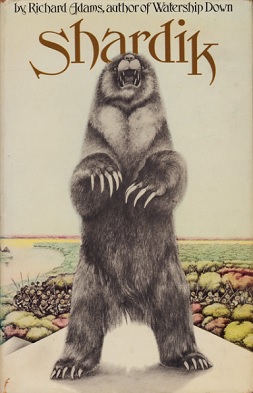
Themes and structure
Adams uses the bear as a catalyst to explore religion, authority, guilt and human fallibility. The novel opens into an expansive, sometimes harsh landscape and unfolds through multiple viewpoints that highlight social consequence and personal conscience. Its tone is more somber and reflective than the author’s earlier work, and the prose leans toward deliberate, descriptive passages.
- Major motifs: faith versus power, stewardship and the burden of leadership.
- Style: epic scope, moral complexity, naturalistic detail.
- Audience: readers interested in literary fantasy and ethical dilemmas.
For more on the book itself see Shardik, and for context about the author consult Richard Adams. Publication history and editions are documented in bibliographic summaries such as first edition details.
Critical reaction at release was mixed but respectful: many reviewers praised its ambition and seriousness, even when readers found it darker than Adams’s best-known work. Over time it has remained in print and continues to be discussed for its probing treatment of belief, leadership and the unintended consequences of reverence.
Related articles
Author
AlegsaOnline.com Shardik (novel) Leandro Alegsa
URL: https://en.alegsaonline.com/art/89494