
Severe weather: storms, causes, impacts, and preparedness
An overview of severe weather: types (thunderstorms, tornadoes, hurricanes, winter storms), how they form, common impacts, forecasting approaches, and guidance on preparedness and distinctions between hazards.
Severe weather refers to atmospheric phenomena capable of causing significant damage, injury, or disruption to communities and infrastructure. It includes a range of intense events — from strong thunderstorms and tornadoes to tropical cyclones, damaging hail, intense rainfall and floods, and blizzard conditions — each with distinct characteristics and hazards. These events are episodic and often localized, but when they occur they can have widespread social and economic consequences.
Image gallery
10 Images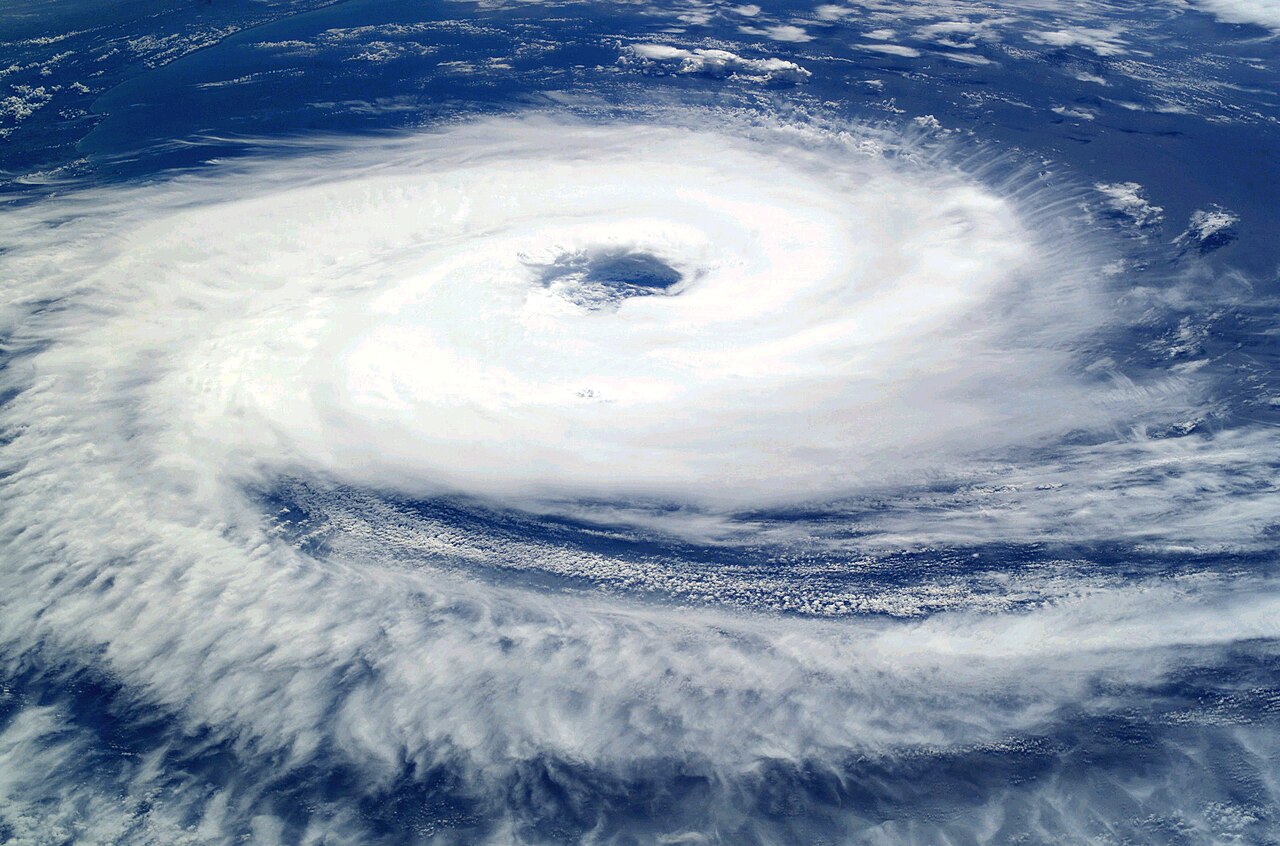




Common types and characteristics
- Severe thunderstorms: Storms that produce large hail, damaging winds, intense lightning, and heavy rain that can lead to flash flooding.
- Tornadoes: Rapidly rotating columns of air in contact with the ground; short-lived but capable of extreme localized damage.
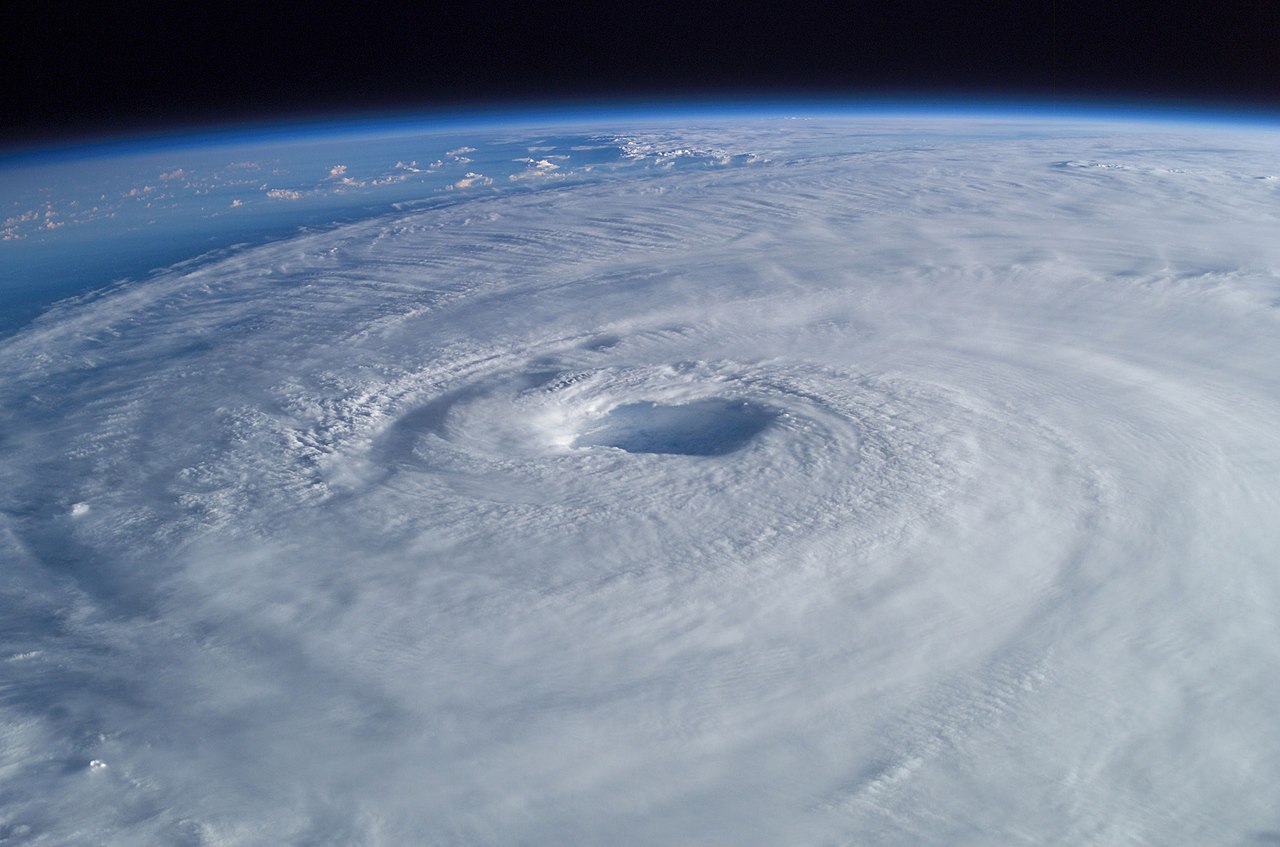
- Tropical cyclones and hurricanes: Large, long-lived systems that bring strong winds, storm surge, and widespread rainfall.
- Winter storms and blizzards: Heavy snow, freezing rain, and high winds that reduce visibility and disrupt transportation and utilities.
- Downbursts and derechos: Powerful downdrafts or linear windstorms that can produce widespread straight-line wind damage.
Causes and forecasting
Severe weather arises from combinations of atmospheric instability, moisture, lift, and wind shear. Forecasters use observations from weather stations, satellites, radar, and numerical weather prediction models to assess these ingredients and issue watches and warnings. Advances in remote sensing and modeling have improved lead times for some events, but predicting exact locations and intensities, particularly for tornadoes and hail, remains challenging.
Impacts and preparedness
Impacts range from property and crop damage to power outages, transportation disruption, and loss of life. Preparedness actions include developing family emergency plans, securing loose outdoor objects, heeding evacuation orders during large storms, and understanding local warning systems. Public safety messages and community resilience measures can substantially reduce harm.
Historical context and notable distinctions
Different regions experience different severities and types of events; for example, many mid-latitude continental areas see frequent convective storms in warmer months, while coastal regions contend with tropical cyclones. Winter severe weather follows seasonal patterns in colder climates. For further technical definitions and safety guidance, see official meteorological resources and specialized educational material such as severe weather preparedness guides.
Related articles
Author
AlegsaOnline.com Severe weather: storms, causes, impacts, and preparedness Leandro Alegsa
URL: https://en.alegsaonline.com/art/89227
Sources
- amsglossary.allenpress.com : AMS Glossary, Severe Storm